Kirsten Ludwig: You Can Stop Apologizing Now | Unbehaved
Every once in a while you meet someone who is so unapologetically themselves that just being near them gives you permission to be your full self as well. Kirsten Ludwig is that person.
Co-founder of the brand agency In Good Co, veteran of Ralph Lauren, American Eagle, Anthropologie, Fred Siegel, and Stella & Dot, and co-creator of the 17,000-subscriber Substack Good Thinking — Kirsten's career reads like a masterclass. But that's not why Meghan invited her on the show.
She invited her because Kirsten is the kind of woman who, at a fancy CEO summit years ago, stood up and mama-beared Meghan (then five weeks pregnant and dying inside) out of a conversation after a man wouldn't stop talking. That story opens the episode — and it's the perfect setup for everything that follows.
This one is about the courage to stop shrinking. Kirsten's signature framework — lean into the cringe — is the idea that the uncomfortable, courageous move almost always pays off tenfold what you were avoiding. She and Meghan get into the two-week maternity leave she still carries shame about, the friendship-based business partnership with her co-founder Chris, the "one pizza can feed" team philosophy at In Good Co, and the permission slip that all of us need to hear.
Quick heads up: Kirsten and Meghan 100% set a new Unbehaved record for cursing in this one. If that's your love language, buckle in. If it's not your vibe, no hard feelings — this one might not be your jam.
WHAT WE COVER
The CEO-summit cold-open story — Meghan five weeks pregnant, a man accusing her of looking bored, and Kirsten standing up to mama bear her out of the situation
Lean into the cringe — Kirsten's signature framework: the uncomfortable, courageous move almost always pays off tenfold what you were avoiding
Why "you can have it all and balance it all" is complete BS — and how to make the trade-off intentional instead
Kirsten's arc from fashion in-house (Ralph Lauren, American Eagle, Anthro, Fred Siegel) → Stella & Dot → building an experiential agency from 30 to 230 people → founding In Good Co
The Stella & Dot contrast: coming from a boys-club culture where meetings ran until 7 or 8 PM (because no one wanted to go home) into a company run by "badass women" who got the work done by 5:30 because they had families waiting
The two-week maternity leave shame — Kirsten as chief creative officer taking only two weeks with her daughter, and why the regret isn't about the bond but about the example she set for everyone watching
How In Good Co became a B Corp before Kirsten even knew what a B Corp was
"One pizza can feed" — In Good Co's team-size philosophy
The COVID pivot to a curated contractor model — and why it makes the work better
The business partnership with Chris — friendship-based first, "we do the work in it," and the "beautiful soup" of talking about everything without limits
How Good Thinking (the 17K-subscriber Substack) became a media platform without ever intending to
Working with brands like Sex with Emily — and why the real unlock is shame → okay → empowering
The Fordham "light too bright" moment — the student who told Meghan she was always afraid her light was too bright
Kirsten on turning 50 and giving zero fucks — and why that's actually about leaning into your truth, not not caring
The permission slip: "Ask for forgiveness, not permission. Don't even think about permission. Do the thing that lights you up."
About the Guest
Kirsten Ludwig is the co-founder of In Good Co, a B Corp brand agency, and the co-creator of Good Thinking, a 17K-subscriber Substack and podcast on brand, trends, and culture. A veteran of Ralph Lauren, American Eagle, Anthropologie, Fred Siegel, and Stella & Dot, she now works with brands like Sex with Emily on the conversations most people are too afraid to have.
PULL QUOTES
"The more that I lean into what I call the cringe — the uncomfortable moments — that is where I find the beauty. And on the other side is tenfold whatever I've experienced prior." — Kirsten Ludwig
"This idea that you can have it all and balance all the things is complete bullshit. Somebody's always gonna lose. So at least make that decision intentional." — Kirsten Ludwig
"The shame doesn't come from that I don't feel bonded with my daughter. The shame comes from being that example. The fact that I, as chief creative officer of this agency, was an example to all of these women and men to say, this is okay." — Kirsten Ludwig on taking two weeks of maternity leave
"You didn't have to be an asshole to make money. You could be a good fucking human and also make money. Two things can be true." — Kirsten Ludwig
"We always wanted to be the size of team that one pizza can feed." — Kirsten Ludwig, on In Good Co's team philosophy
"We do the work in the relationship. Something comes up, we don't let it fester. We bring it up. It's a beautiful soup of all the parts and pieces, and there isn't anything that's off limits." — Kirsten Ludwig on her partnership with co-founder Chris
"Let's remove the shame — and not only remove it and make it okay, but let's make it empowering. And how do we do that, and how do you create inspiration within all that? Those are the conversations. That's the unlock." — Kirsten Ludwig
"I just wanna have a conversation and talk heart to heart. I don't wanna have this bullshit exterior. It's gonna be one of those conversations that you can feel something — versus like, 'well, I've accomplished this and I've done this.' Great, but tell me about you." — Kirsten Ludwig
"I want people to live their best life. Have the most fun, have the most sense of freedom, do all the things. Whatever is your truth. And to show people — like, shine fucking bright, babe." — Kirsten Ludwig
"Ask for forgiveness, not permission. That's it. Don't even think about permission. Do the thing that lights you up. And if someone calls you on it, deal with it then." — Kirsten Ludwig's permission slip
CHAPTERS
00:00 — Cold open: "I want people to live their best life... shine f*cking bright, babe."
00:29 — Meghan's intro: who Kirsten is, why she invited her on, and a language heads-up
02:21 — The CEO-summit story: five weeks pregnant, a man droning on, and Kirsten's mama-bear rescue
03:40 — Lean into the cringe — Kirsten's signature framework
04:55 — Motherhood, intentionality, and why "you can have it all" is bullshit
06:01 — What keeps Kirsten clear on her intention: the ongoing self-evolution work
07:20 — The stories Kirsten has had to unlearn
07:38 — The Stella & Dot vs. boys-club contrast — and the two-week maternity leave shame
10:48 — How In Good Co started (and how her prior agency imploded after a successful sale)
12:41 — Finding the courage to leave the C-suite treadmill
16:25 — Reimagining success around autonomy and freedom
19:05 — Building the company: B Corp from inception, the "one pizza can feed" team, the COVID pivot
23:59 — The business partnership with Chris — friendship first, "we do the work in it"
26:43 — Fashion, body image, and refusing to shame yourself for wanting to look and feel your best
29:41 — Working with Sex with Emily and other counterculture brands: from shame → okay → empowering
32:22 — Leaning into the cringe + naming the shame both require vulnerability
34:18 — The Fordham "light too bright" moment
36:36 — The likability conversation: hitting 50 and giving zero fucks
38:19 — What Kirsten wishes we'd talked about: the personal and work journey are one
40:15 — Meghan's four-year-old daughter, sensitivity as a superpower, and reparenting yourself
41:56 — The permission slip: ask for forgiveness, not permission
42:28 — Where to find Kirsten (Substack, LinkedIn)
42:56 — Meghan's four Unbehaved Lessons of the Day
RESOURCES MENTIONED
People + companies referenced:
Kirsten Ludwig — co-founder of In Good Co, a B Corp brand agency
Stella & Dot — the "badass women" company that hired Kirsten at five months pregnant and gave her three months of maternity leave
Sex with Emily / Emily Morse — one of the brands Kirsten works with; a masterclass in shame → empowerment
B Corp — the certification In Good Co has held since inception
CONNECT WITH KIRSTEN
In Good Co
Substack: Good Thinking — 17,000+ subscribers on brand, trends, and culture
Podcast: Good Thinking (via the Substack)
LinkedIn: Kirsten Ludwig
CONNECT WITH MEGHAN & UNBEHAVED
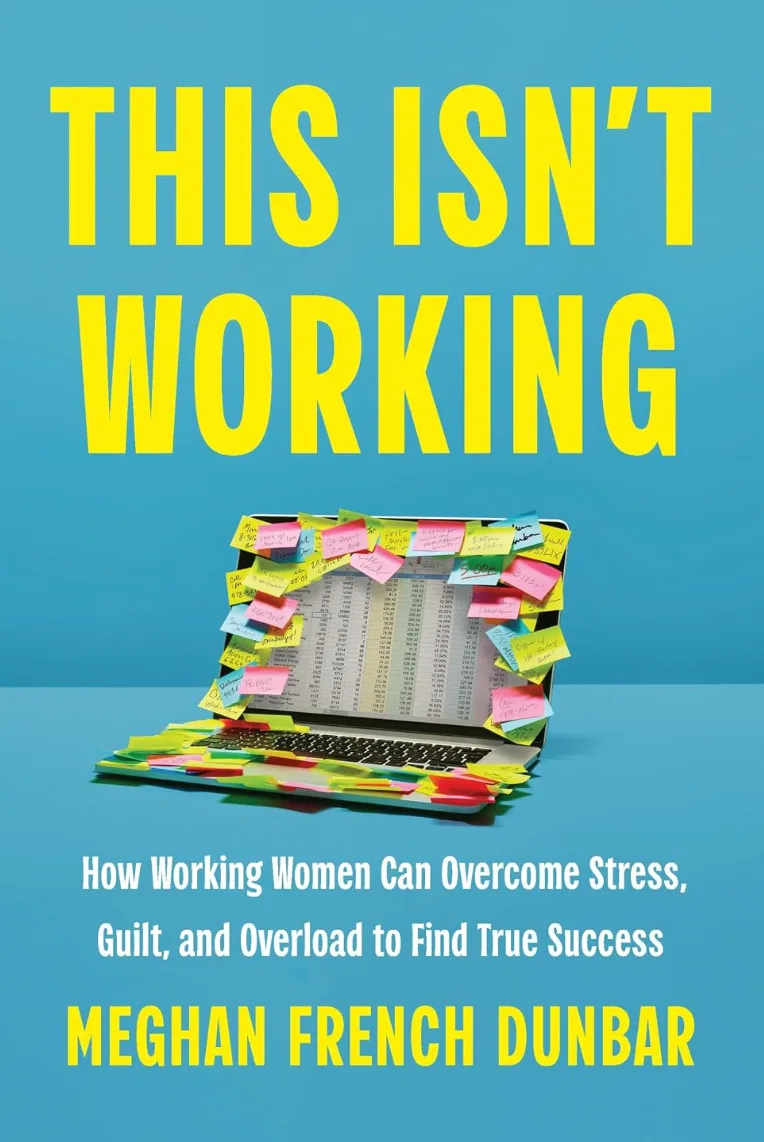
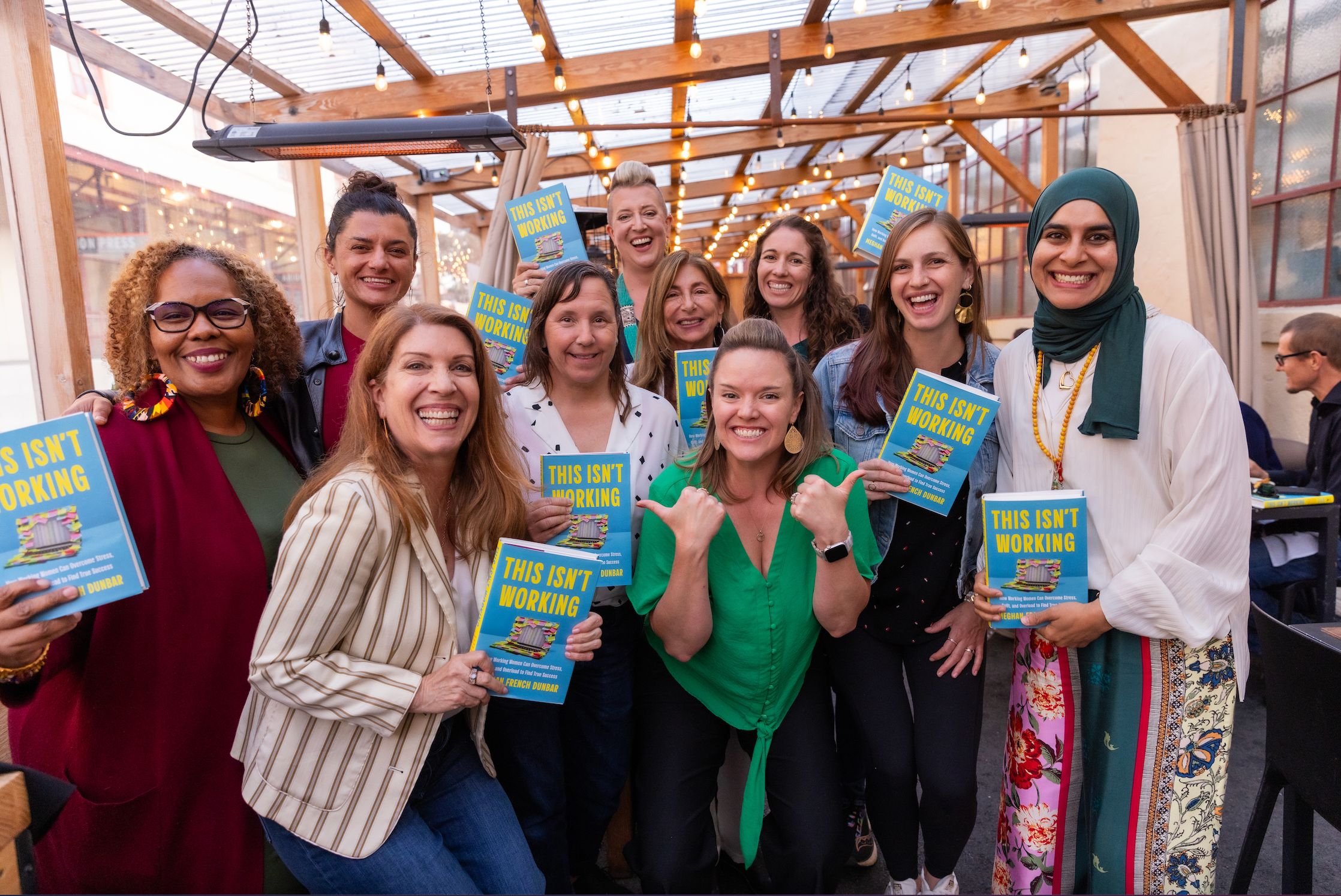
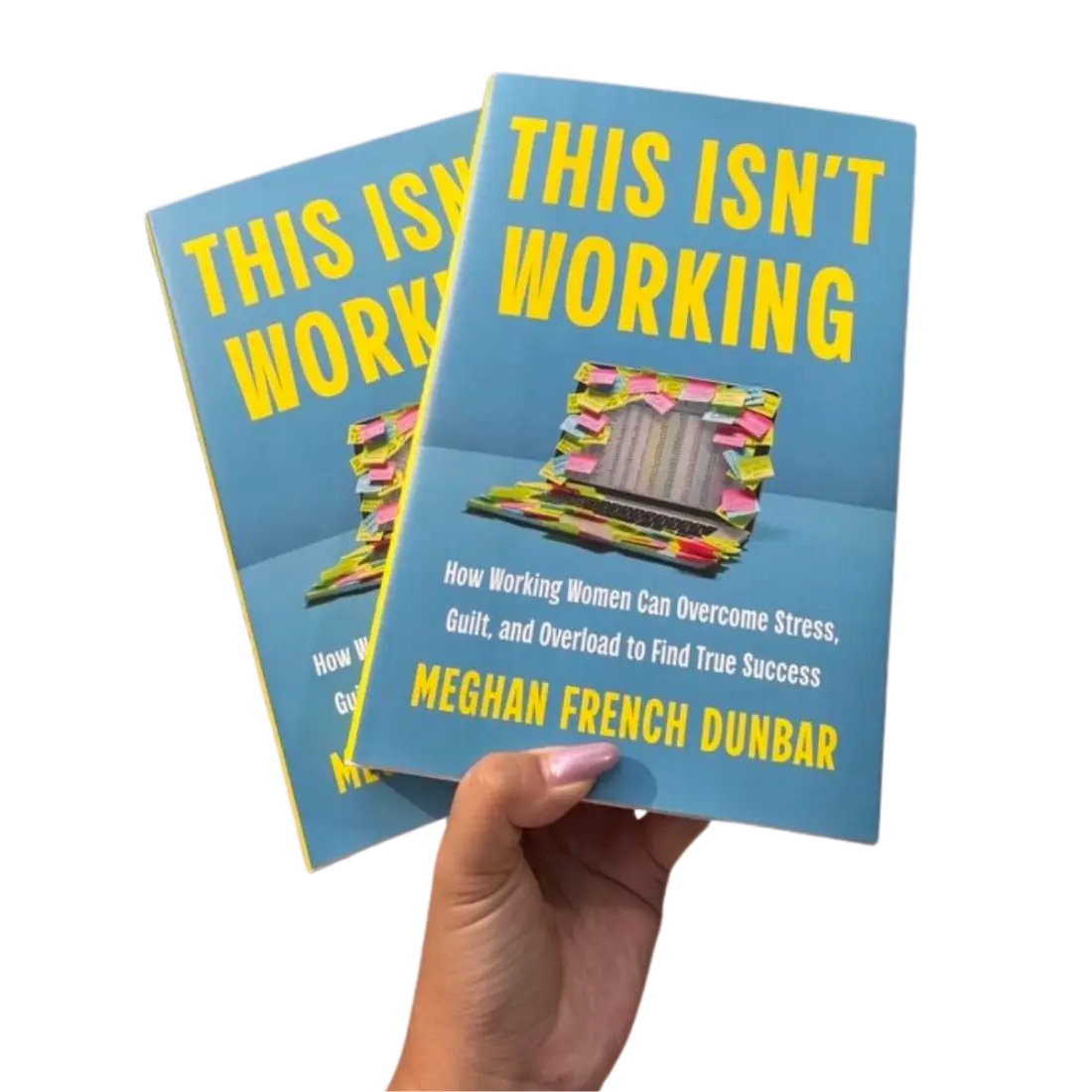
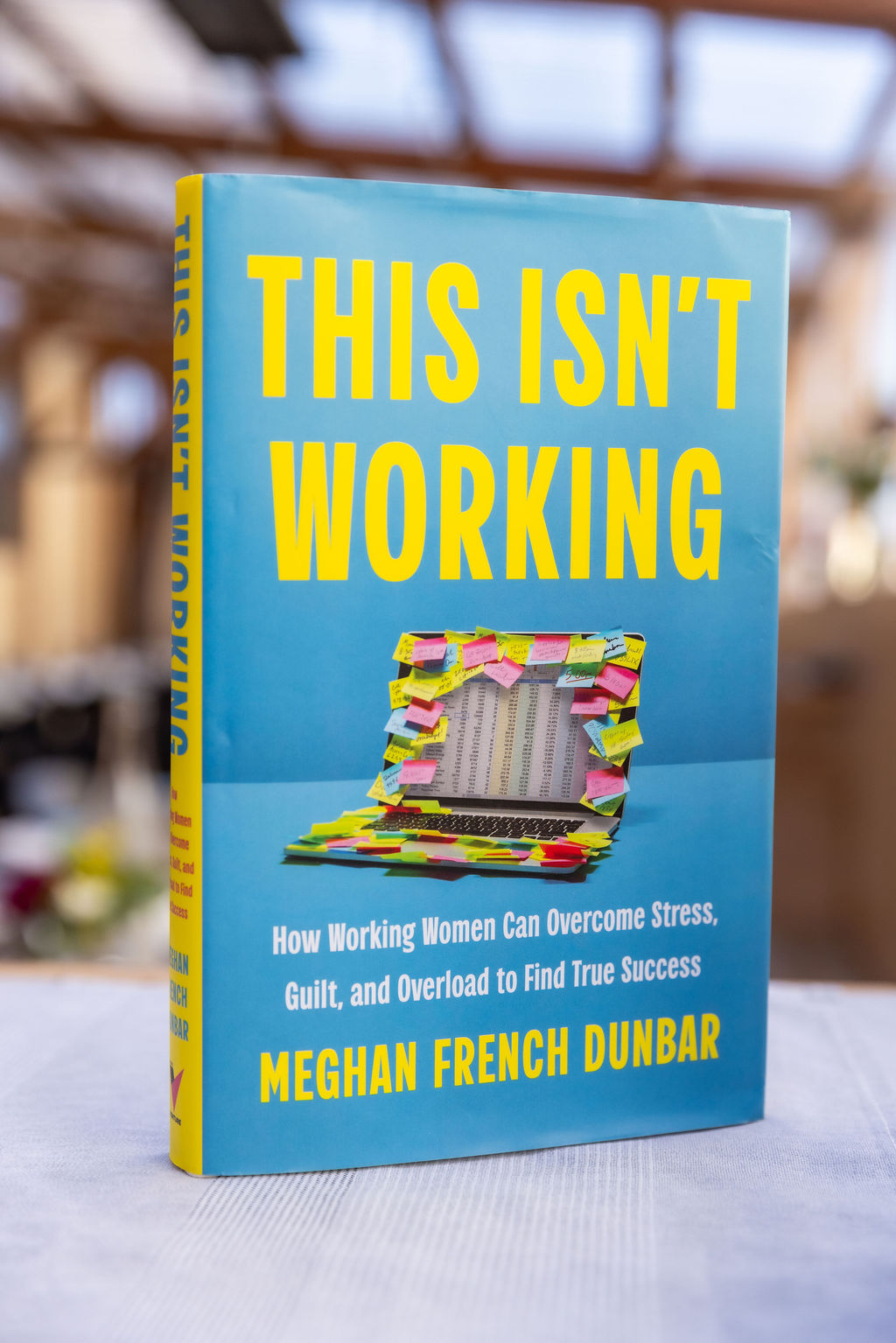
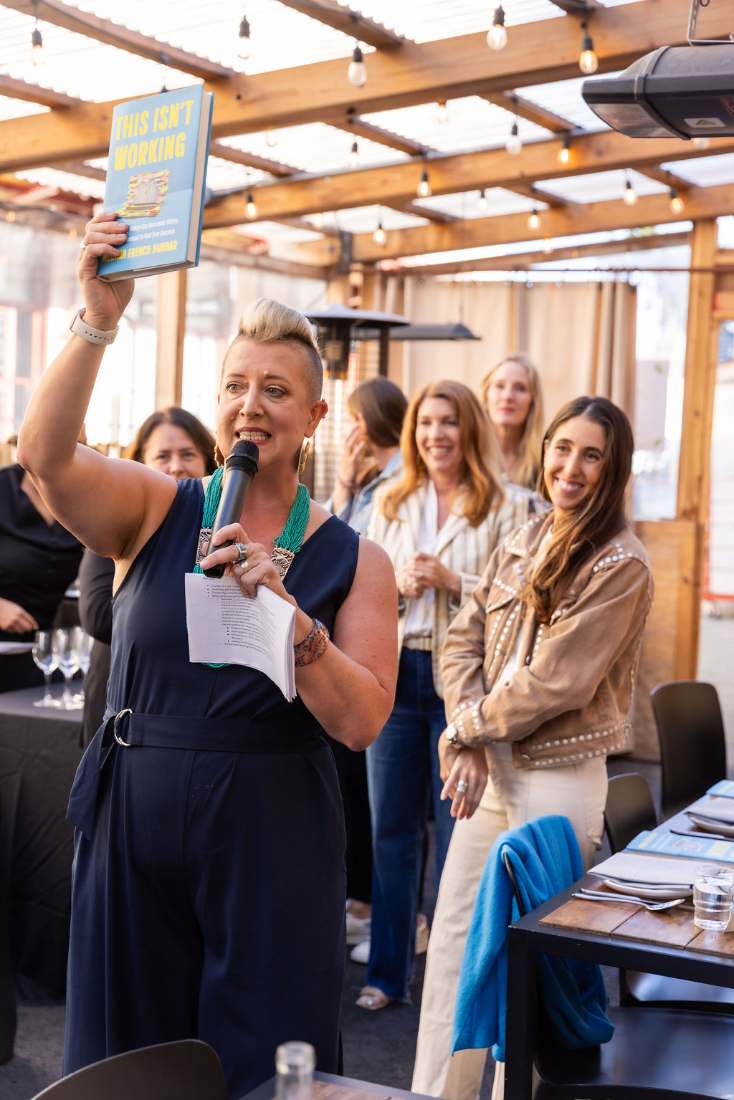
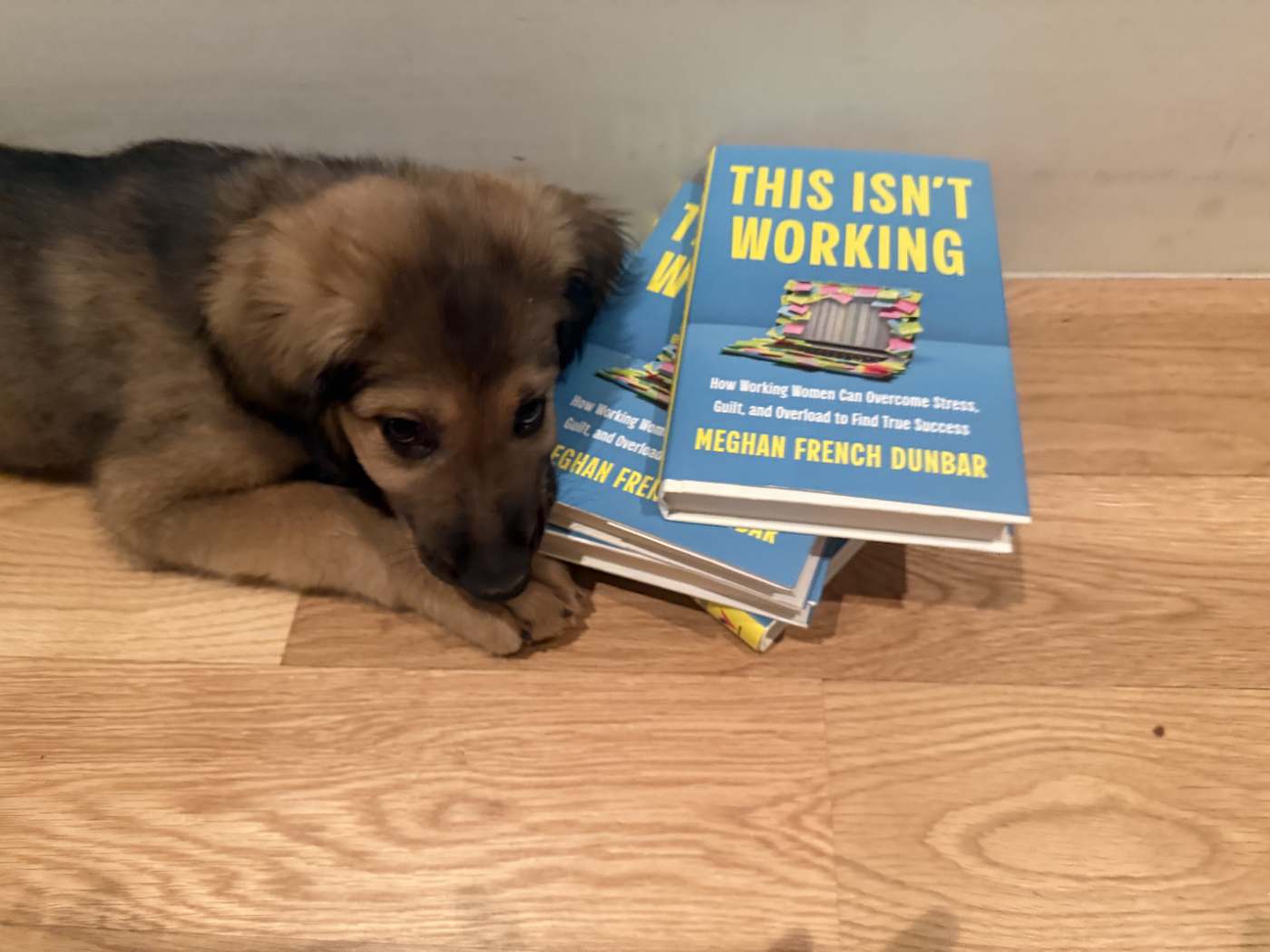
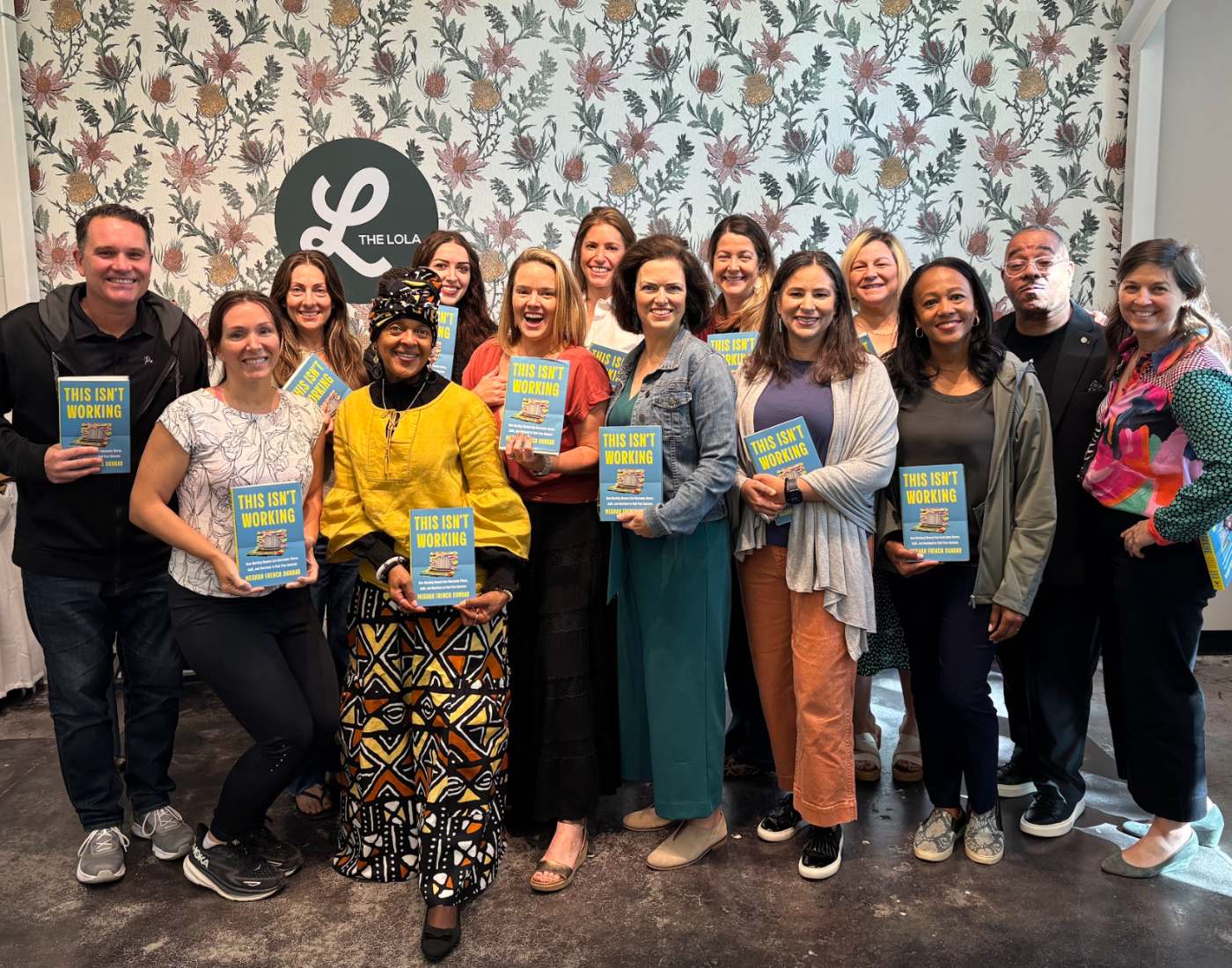
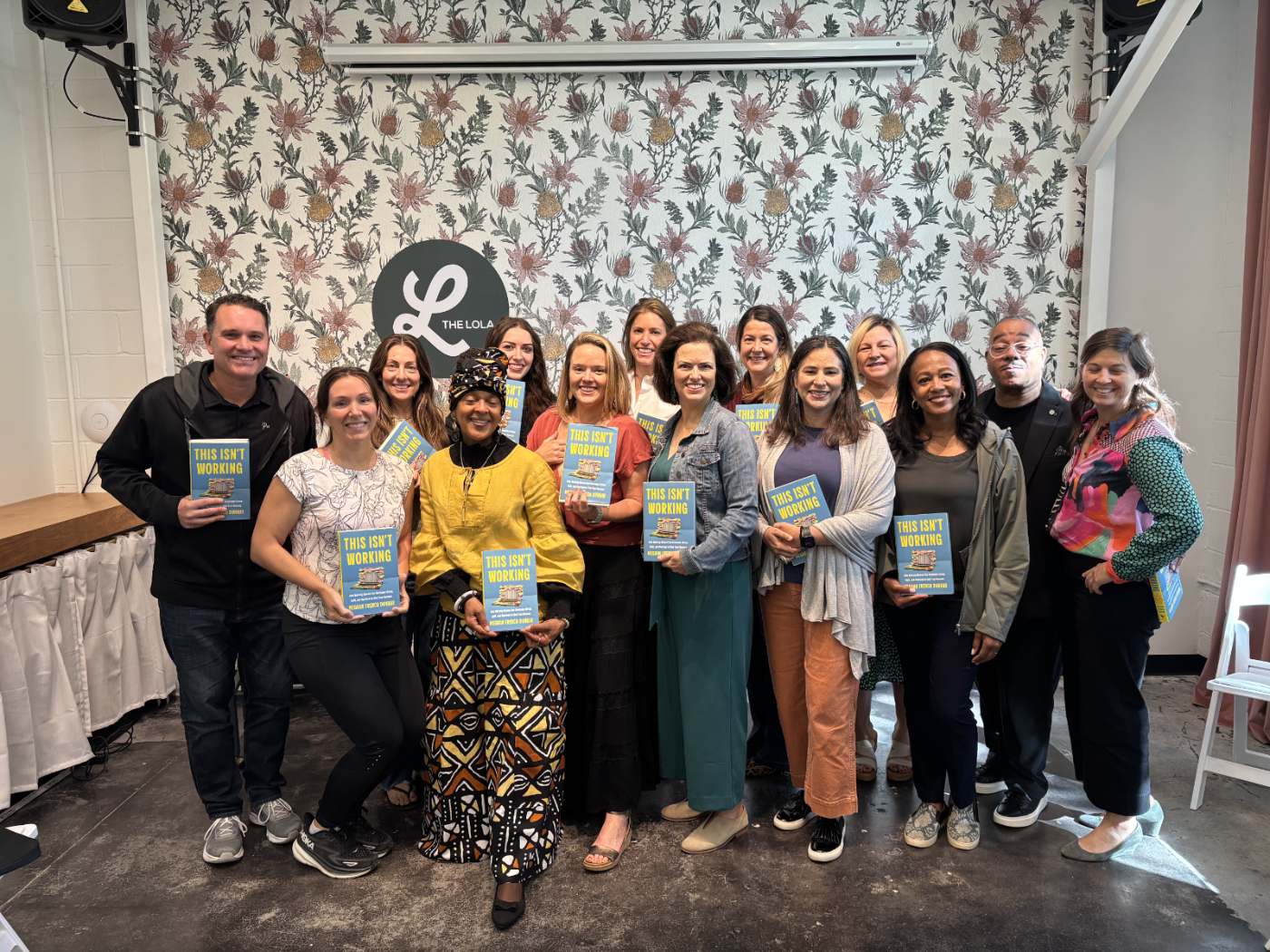
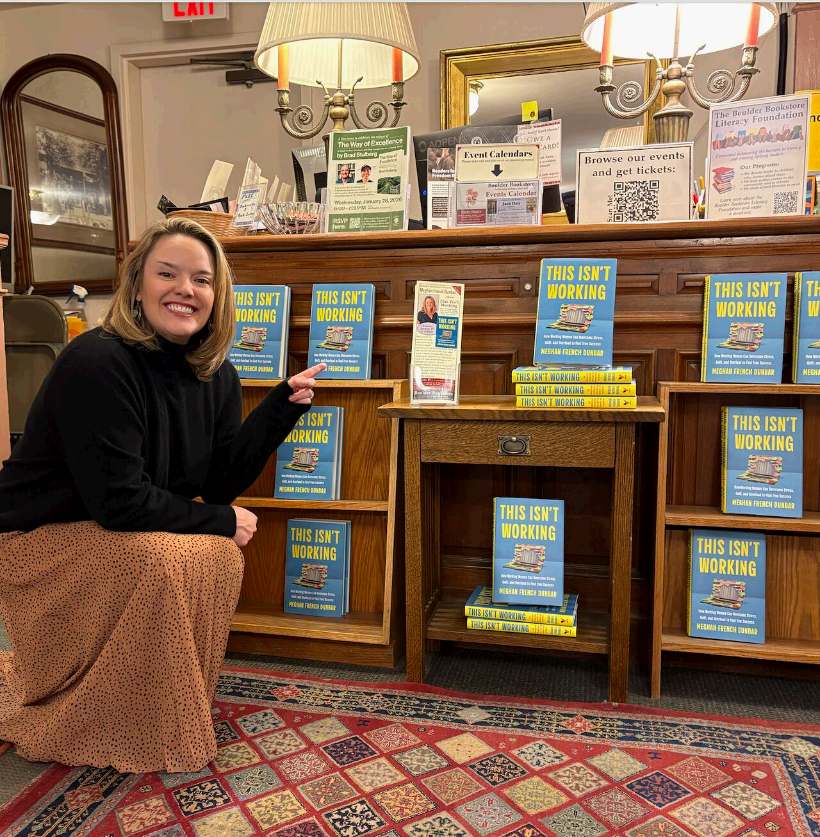
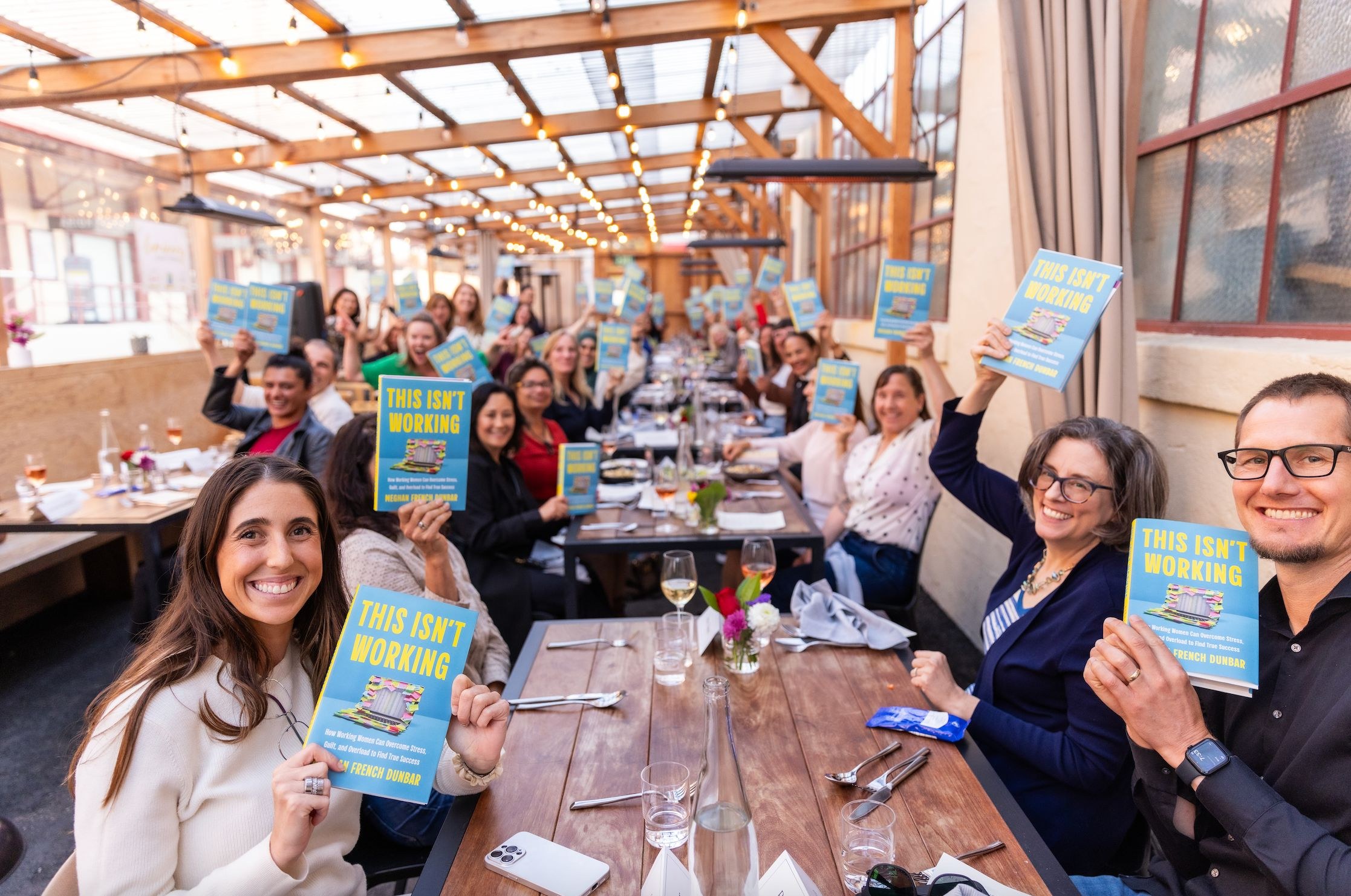
Book: This Isn't Working — available wherever you buy books
Website: meghanfrenchdunbar.com
Substack: subscribe for weekly insights + tools for building a better relationship with work
Podcast: Unbehaved — new episodes weekly wherever you get podcasts
FULL TRANSCRIPT
[Editor's note: Lightly cleaned for readability. Preserves original voice + delivery.]
Kirsten Ludwig (00:00): I want people to live their best life. Have the most fun, have the most sense of freedom, do all the things. Whatever is your truth. Everybody's truth is different. The life I lead is too crazy or whatever for a lot of people — they don't want to lead that life. Cool. But whatever their version is, I want to give people permission or inspiration or whatever it might be to lead their best version of that. And I think that's exactly what you do. And to show people — like, shine fucking bright, babe.
Meghan French Dunbar (00:29): Hello, lovely human. My name is Meghan French Dunbar, and welcome to Unbehaved. You just heard from the force of nature that is Kirsten Ludwig. Kirsten's the co-founder of In Good Co — a B Corp certified brand agency — and her professional background is pretty much a laundry list of the who's who in the fashion world: Ralph Lauren, Anthropologie, Stella & Dot, and many more.
But her impressive career isn't why I invited her on the show today. I wanted to talk to Kirsten because she's someone I've always looked up to. She and I met a number of years ago through the B Corp and Conscious Capitalism communities, and we shared a mutual passion for using business as a force for good.
And I don't know if you've ever come across someone like this — but every time I saw Kirsten, she was just so unapologetically herself. She said what she wanted to say. She wore what she wanted to wear. She stood up for the things she believed in. And it was so inspiring — especially back then, when I was a young female founder who thought I had to shrink myself or mold myself into something I wasn't in order to succeed.
So that's what we're gonna talk about today: how to nurture your individual light so it shines at its very brightest, instead of constantly trying to dim yourself for others. How leaning into the cringe — the uncomfortable, courageous moves — often pay off ten times bigger than whatever you were avoiding. The single biggest regret Kirsten has from her career. And what it looks like to stop putting up with the corporate BS and build the company that you'd want to work for instead.
And just a quick heads up — Kirsten and I 100% set a new Unbehaved record for cursing in this particular episode. So if that's your love language, buckle in. If it's not your vibe, no hard feelings. This one just might not be your jam.
Let's get into it.
Meghan French Dunbar (02:21): So I'm going to start this with a story — which is actually the last time you and I saw each other. It was a moment of unbehaving. We were sitting at a super fancy schmancy CEO summit with all these mostly men. And you and I were sitting at a picnic table outside, and we were listening to a man talk to us. And he stopped mid-conversation, looked at me, and said something like, "I can tell by your face that I'm just totally boring you."
And I was like, "I'm sorry, I'm five weeks pregnant and I feel like I'm about to die."
And you just mama-beared. You stood up and you evacuated me out of the situation. You were like, "You need to go to bed. What are you doing?"
What was happening for me was — I was 34 at the time, and I was still really holding on to the people-pleasing. I'm at this conference. Even though I literally feel like I'm about to throw up, I need to listen to this man and try to pretend I'm engaged. And you were just like, "Fuck no. We are not doing that. We're not pretending." And you just got me out of there.
Kirsten Ludwig: Love it.
Meghan French Dunbar: This has been how I've always experienced you — as someone who is just a bit courageous in the ability to do things differently and to not care how it's making other people uncomfortable or the societal scripts. Where does this come from?
Kirsten Ludwig (03:40): Well, first of all, thank you. That compliment means the world to me. Honestly, Meghan, that is everything I aspire and hope to be. The honest answer is — I don't know. But what I do know is that was six or seven years ago, right? I was going through a pivotal time in my life then — a full awakening, divorce, all the things.
And I think one thing I know absolutely certain is that the more I lean into what I call the cringe — the uncomfortable moments — that is where I find the beauty. And on the other side is tenfold whatever I've experienced prior. When I really lean into the thing that is courageous, the thing that is uncomfortable — on the other side of that, there are great, great rewards.
And so for sure, I do that more and more. Not just to be an asshole or do things that make people uncomfortable — though that has its own — but really about what do we all need in this moment, listening more to our truth, and empowering myself and others to identify that and speak it.
Meghan French Dunbar (04:55): Do you have good examples of that? Good stories?
Kirsten Ludwig: I think motherhood, right? My kids are now 11 and 14. And motherhood kind of forces us — or that's when we come to realize — what decision are you making? Because it's very, very clear. And this idea that you can have it all and do all the things and balance all the things is complete bullshit. Somebody's always gonna lose. So at least make that decision intentional.
Sometimes it's a work trip. Sometimes it's, "Hey guys, I'm going and doing this — you're with your dad at this time and here's what's gonna happen." But there is then growth for them, and independence, and all the things on that end. And then I'll go and do work. And sometimes it's telling my business partner, "Hey, this has come up with my kids. Can you cover for me? I've got to focus on this." For me, it's just really about being intentional around that decision-making.
Meghan French Dunbar (06:01): Is there anything that helps you remain clear on what your intention is?
Kirsten Ludwig: I think self-evolution. I'm somebody who has realized — initially it was just self-help books, and then it became a lot of other things: plant medicine, therapy, divorce, all of it — that for me, becoming a better version of myself tomorrow than today is a great objective and goal. It's not to say I'm not comfortable with who I am today. It's just to say that's exciting to me — interesting to see and explore what that growth looks like.
My values are very much around freedom, empowerment, aspiration, being kind. Those things come from establishing work, establishing families, establishing my independence, establishing myself as a woman — all the parts and pieces have happened probably fairly organically through my life path. But not without fight, and not without intention.
The older I get, the more I really understand that leaning into the cringe, leaning into the discomfort, just greatly expands who I am, what I can do, how confident I feel, how empowered I am, and the magic I can do in the world.
Meghan French Dunbar (07:20): The evolution you talk about of getting older and expanding — are there certain stories or beliefs you used to have that you had to release or unlearn in the process?
Kirsten Ludwig (07:38): Oh man, so many, so many. I just talked to somebody this week who's pregnant and reached out to a group I'm in for advice. And I said, "Listen, let's chat. I'm always happy to give my experience." I feel like I've done it in both really great ways and really shitty ways, right?
One of the biggest shames that comes up for me work-wise is — with my son, I worked with this amazing company called Stella & Dot. They hired me at five months pregnant. I had three months maternity leave and it was pro-moms.
That was actually an interesting experience because I'd come from what was more of a boys' club — where you'd have meetings till like 7 and 8 at night. It was just a bunch of men sitting around and you'd realize, well, they probably didn't want to go home to their wives.
And then in contrast, I came to Stella & Dot, and it was a company really run by badass women. And these women were like, "We gotta get this shit done. We gotta get out by 5, 5:30, because we've got families to go home to." The contrast of that was like, wow. Fuck. That was a great learning.
Then I go, okay — what version do I wanna lean into when I create my company? And that to me was very clear. So that's kind of an example of how that evolution has happened.
So I had this great three months of proper maternity with my son. And then with my daughter, I was building up an agency as the chief creative officer — and I took two weeks.
And here's the thing — the shame doesn't come from that I don't feel bonded with my daughter. We're very, very close. There was nothing lost in that experience — she was tethered to me, I was flying around and doing meetings and she was tethered to me. But the shame, the negative experience, comes from being that example.
The fact that I, as chief creative officer of this agency, was an example to all of these women and men to say — this is okay. That's really where the shame is. That was a lesson learned. So many of my lessons — I think many people's are what not to do. Especially in career. And so I've learned it. And very much I tell that story so people understand — it's not something I would do again, but I learned from doing the shitty version of it.
The negativity was really telling people that that was okay, even though on the inside I was fighting for internal change within the company. People didn't necessarily know or see. But that didn't matter. What mattered was what I was representing.
Meghan French Dunbar (10:33): Was the pressure to only take two weeks coming mainly from yourself or from the group you were working with?
Kirsten Ludwig: Yeah — the group.
Meghan French Dunbar (10:45): [laughing] I'm gonna set my rage aside. So — your own agency. I wanna hear the story. This is a story I've actually never heard from you. How did In Good Co start? Tell us the journey.
Kirsten Ludwig (10:57): Sure. So my background's been mainly on the fashion and retail side. I worked in-house at Ralph Lauren, American Eagle Outfitters, Anthro, Fred Siegel — then moved to Stella & Dot, and then moved to the agency side.
That was my first foray into the agency world. I built up an experiential agency. We went through hyper-growth — in under three years, we started at about 30 people and when I left, we were 230. We went from one office to four, including London through an acquisition. Hyper, hyper growth.
My first foray into the agency world — it can be quite intense. I learned a lot of lessons, many of them good, many of them bad. And I came out of that leaning into my idealism and my optimism and saying, I only want to do it if I can do it this way. I want the culture to be the most important thing.
I wanted to give people the space, the creativity, and the inspiration to do their best work. That doesn't look like working in a cubicle. That looks like working in an office like The Wing when it was around, or Soho House. It looks like giving people not an hour to say "be creative and do this project," but giving people the space to be like, "Oh, you need to go to a park today to get inspired for this project? Great, go do that."
So it was really built around: what does the culture look like that I want to be working in, that the team wants to be working in, and how do we create that? Because knowing that's going to lead to the best work. That's the opposite of a business plan. If you do the thing where the creatives, the team, the strategists are in a space to create the best work — the clients, the money, all of that will come.
Meghan French Dunbar (12:41): So a lot of the women I talk to who are on the corporate treadmill have gotten to certain levels in the executive C-suite. They can say things like, "We've got four offices in London," all the fancy things. And there's a sense of self-worth tied up in that role — how large the entity is, how established they are. So they just stay there, even though there are so many things they wish they could change.
How did you find the courage to just not stay in the easy, comfortable space of the big agency — and set out on your own, and not just say you wanted to do it differently, but actually do it?
Kirsten Ludwig (13:24): Well — I don't know if I set off on my own. It was a bit by force. That relationship ended quite dramatically. We had positioned and sold the company — my now business partner at In Good Co and my right-hand — we'd led that process. And then it all imploded for me after we properly and successfully positioned and sold. That's another story.
Like anything in my life — maybe it's come about in extremes. It just becomes very, very obvious. That was the beginning of an awakening for me: what is happening? Is this the life you want? What do you want to be doing?
I came out of that and said, okay, what do I want to do? I took a minute — literally about a minute — and moved out of New York. We had been ready to go back to LA, where my family was, all my kids' dad's family was, ready to go back to California lifestyle.
Thought about what I wanted to do. Do I go back to an agency? Do I go back on the brand side? One thing I realized was — I love fashion because of the innovation behind it. At that time, innovation was really behind social. What Instagram was doing, what Facebook was doing. This was 12 years ago. So I went and started interviewing with those guys, and that kind of felt like meh.
Then it was like, well, do I start my own thing? So much of what I love doing is having a team, inspiring the team — but also being smart enough to get the fuck out of their way.
I started up, and very shortly thereafter connected with who my right-hand was at the agency — one of the smartest, coolest, most intentional people I've ever met. Our brains think very, very similarly. We've always had a shorthand.
She and I created In Good Co. with this very optimistic, we only want to do it if we can do it this way mentality. I think it's who I am in my soul. The things I've gone through have chipped away at the armor and led me more toward my truth — really leaning into optimism, doing the right thing, being empowered. Knowing there is a better path — and maybe not choosing this path or that path, but finding my own and forging my own. Everything I go through, from career to divorce to whatever — helped me see that.
The path isn't already there. But I can instinctually lead it. And then other people are going to come with me on my path. Rad, let's do this.
Meghan French Dunbar (16:25): So one thing you touched on is something that's been evolving for me over the last few years: reimagining my idea of success. One of the central pillars for me is autonomy. I get to choose how I work, who I work with, what I'm working on, when I'm working, how I feel while I'm working. I'm a solopreneur. I don't even have a team at this point. And yes, there's the financial stability part, which sometimes is more stressful. But the trade-off of extreme autonomy — to live in alignment with my values, do the things I want to do, say no to people I don't want to work with — completely changed my life. I'm hearing that in your story too. How has your definition of success changed?
Kirsten Ludwig (17:09): It's a great point. And it goes back to your question around the title, right? For me — I think it's age, but who knows, maybe slash experience. The time when I finally had the title, whether it was creative director, chief creative officer, whatever — it didn't matter anymore. Maybe it was because I had it, or maybe it was age or experience — but it just stopped mattering.
Similarly with success. Sure, there's a financial component. I transparently lean into that. Part of what I wanted to do with In Good Co is show that you didn't have to be an asshole to make money. And I know you have that with Conscious Magazine — you have the exact same — which is probably why we identified and connected so early on. You can be a good fucking human, but also make money. Two things can be true.
So success does have a financial component. But it's also — I travel whenever I want. My business partner is one of my best friends. I'm able to do and live in a way that leans into everything I want to do and be. There's not this sectioning of, "Oh shit, I got the Sunday scaries because I've got to go into the office." It's, "Oh great, I get to do this."
Autonomy, freedom, choosing my own hours. My calendar is a crazy person's calendar. I have business partners in Europe, so I'll work in the morning, then go for a workout, then come back and do some work, then depending on if I have my kids or not I'll be with them or go for another workout. It's a very me calendar of what I want to be doing with my time. Then of course however I show up, I'm a better version of myself because I really want to be there for whatever I'm doing.
For me, autonomy and freedom is at the top of what success looks like. Because it's time. What else is there really?
Meghan French Dunbar (19:05): I'm curious — the ways you wanted to build the company differently, what does it actually look like? And what are the ways you're running things that you're hoping other business owners could start paying attention to?
Kirsten Ludwig (19:22): So we are a B Corp, and we've been a B Corp since inception. Like anything I do, it was never really a business development ploy — not to say that's good or bad, I'm just not great at that. It's really about what do I think is the right thing to do, and what do I want to do?
We'd actually set up our ethos before we even found out what a B Corp was. My mom gave me an article — the CEO of Patagonia was on the cover of Fortune. She was like, "Look at this thing." I was like, B Corp, what's a B Corp? Found all about it. And then just to find that there was literally a certification that matched what I wanted to be — felt good and aligned.
How we work today is very different than how we were before. We had a mix of a curated team and an in-house team. Then in COVID, we played the whole dance of — do we get the loan? Do we not get the loan? — and that coincided with ultimately having to let go. We had a pretty small team and we never wanted to be large. We always wanted to be the size of team that one pizza can feed — that was our philosophy.
[Meghan laughs]
We had no interest in being a ginormous agency. We'd experienced that and determined it was not for us. So we played that dance through COVID, which was rough. It was quite a blow for me. And a blow for the team, because we'd built so much around culture. That was the inception and the belief.
Ego-wise — how I defined myself as, look, I've been able to be successful, create this company, have this team of people that's inspired, excited — part of our Monday call was a personal check-in of "how the fuck are you?" Because asking that question and really listening determines how you're going to show up at work, how I can support you, how you can support me. "All right, let's talk about that project that's due in an hour." — "Fuck that. Let's talk about how you are and who you are, and how you can show up, and how I can support that." It was built into everything.
So letting go of that, letting go of people — was really, really hard. That was a terrible moment. But like anything in my life — when you lean into the discomfort, on the other side of it, beautiful things happen. The team has gone on to do amazing things on their own and with other companies.
We have a model now that's a consultant base. These are people we've worked with for years. As I'm sure you know — the best people are not in-house anymore. They're all independent contractors. And now we get to do these great projects where we get to reach out individually and say, "Hey Diane, we have this rad pet company we're working on. You're in love with dogs and your dog has a great story. Do you want to come help us do copy and strategy?" And then they get to raise their hand and say, "Yeah, I want to work on that particular project" — versus, "Hey Joe, you're sitting around, can you jump on this Nike project that came in?" It feels much different — much more intentional, much more inspired.
Meghan French Dunbar (22:32): And it also gives people flexibility to say yes to the things they actually want to work on — or tone down the amount of work they're doing if they need caregiving or other things.
Kirsten Ludwig: Totally, totally. And it makes the work better because they're excited about what they're signing up for. That makes all the difference in the world.
And then about two years ago, my business partner Chris started writing a Substack. She was always reading everything trends-based, and we'd be sharing this with a particular client, and she'd be Slacking or texting me about it. She was always in the know. She finally was like, "I'm consuming too much." After a breakthrough with her therapist, she was told she had to figure out a medium to do this. So she created a newsletter on Substack — because she knew two years ago that was where things were moving.
That's become Good Thinking, which is really a media platform for us now. Certainly didn't start that way, but it's a Substack now with about 17,000 subscribers. It's around brand and trends and culture. Then we have a podcast off of that. We do talks. Happy hours. Dinners. We're hosting a CMO dinner at Cannes coming up. When we lean into where the flow is, and where the fun is, and what's really working — that's where the magic happens.
Meghan French Dunbar (23:59): With Chris — co-founder relationships are real tough. They're often one of the primary reasons companies go under. How have you built such a solid relationship with Chris? What have you done right? And what's one thing you did wrong?
Kirsten Ludwig (24:17): Great question. We talk about our partnership a lot, because it's one of the things people should just talk about more. The good and the bad, for sure.
But I've been really lucky. We've been really lucky in this. And I think, quite honestly — because it's friendship-based first. We met through work. She was the first person I hired at the agency. She was my right-hand. We instantly created a shorthand.
Quickly thereafter, her and her then-boyfriend, now-husband, were around in Brooklyn. We ran into each other, came and joined us — we just got drunk one day at a Mexican bar, and the rest is history.
That friendship base is everything. She has been through all of the things with me. She's literally one of my absolute best friends. I confide in her all the time. She's the person I probably talk to the most. She's my work wife.
And I think the most recent thing I've identified — we do the work in it. We have this great connection. There are lots of advantages in having a business partner — it scales it, it allows you to bounce ideas off of somebody. I don't know if we'd still be here if it was just one of us. Being an entrepreneur is rough. There's great parts, but there's also really challenging parts. So it's nice to have somebody you trust so much, who has your back in those moments.
But — we do the work in the relationship. Something comes up, we don't let it fester. We bring it up. "Hey, on our last trip, something was up for you, something was going on — let's talk about that." We're both people who want to talk about it and get it out. Sometimes it's like, "Oh shit — you felt that from me? I didn't realize I was doing that." That helps me to think about it for two days.
We're constantly like an ADD mess of talking about all the work things, all the personal things, all the issues coming up with kids or whatever it might be personally. It's a beautiful soup of all those parts and pieces, and there isn't anything that's off limits.
Meghan French Dunbar (26:43): What a gift. I want to go back to one thing — fashion. You mentioned the innovation that's inherent in that industry. How did it shape the way you think about your body image? The things fashion has influenced with how women tell ourselves certain stories?
Kirsten Ludwig (27:02): This is my perspective, and this is just how my brain is built — which leans toward more optimism. It's not something I try to be. It's just what comes into my head.
I'm a huge believer that fashion is creative expression. I dress based on my mood — so who knows how it's gonna show up. The more we lean into whatever we're trying to express creatively — through writing, through arts, through whatever — I think fashion for me is a huge part of that.
The challenges I've had in the fashion industry — I don't necessarily think they're particular to fashion — but they've been more about "this has been a boys' club" or "this is the way we've always done things, so this is the way we should always do things." And I've always been like, huh, that doesn't feel right to me. Maybe we should look at that.
I've been fortunate — anytime I've been in a corporate environment, I've had more of an entrepreneurial position. I've had an agency as my team, or something that gave me outside perspective. So I've been able to push and be in more forward-thinking positions. In Anthro, I was brought in to make the brand cooler, give it more of an edge. So I'd try to push that through.
To me, it's just — what is the best version of yourself? Fashion can be part of helping you tell that story. It can lead to confidence, self-expression, so many parts and pieces. The more I lean into that — and not into huh, what should I wear to the corporate office is a success — I mean, I'm 52, so I'm in it. And it's really leaning into: yeah, of course I wanna look the best version of myself. Of course I wanna work out. Of course I want to get facials and figure out the best hydrating skincare. I don't shame myself for wanting to do those things. I don't shame my 11-year-old daughter for wanting to learn more about skincare, as long as it's safe.
I always skew on all of those things to pull out just the things that are empowering me, that are inspiring me. I'm not shaming myself in any way for wanting to look the best version. If that's younger — my biological age is almost 10 years younger — great, I'm doing something right. I lean into those things with inspiration versus a "fuck, am I getting old? Am I getting past it?" mentality.
Meghan French Dunbar (29:41): I love that. So some of the brands you work with now, like Sex with Emily — there's this counterculture, "we don't talk about women's pleasure and women's power." What has working with those brands done, or helped you see, or changed your mindset in any way?
Kirsten Ludwig (30:01): So much. It's been so transformational. It's one of my favorite topics because it's about shame. We have so much fucking shame. And the brands that are leaning into those things, I think, are the most exciting for us right now — or the brands that are at the precipice of that. It's really unlocking something.
When you can lean in and give voice to the shadow conversations, the whisper conversations — the things nobody's saying but the shame everybody's feeling. And not just say, "Hey, it's okay, we're all doing it, everybody's thinking that." To say — not just it's okay, but also to actually empower people to do it. Yeah, you should feel good having sex. Whatever the empowerment is.
Emily's a rad human, and she is empowering men and women and anybody to feel good about how they're approaching sex and whatever that looks like for them. For us to be a part of those conversations, a part of a brand that can really connect with somebody — and not just say "it's okay," but actually move that okay into empowerment — I'm here for all of those conversations. Menopause, anything around sex, sexuality.
Chris is really into the aging conversation. Think about Silvers — how we thought about people at like, no, it's gotta go up now — 75. Think about how we thought about all these people. The Golden Girls comparison, the meme that we all see. Demi Moore's killing it, and she's not going anywhere.
Let's take all of those stories, let's remove the shame — and not only remove it and make it okay, but let's make it empowering. How do we do that, and how do we create inspiration within all that? Those are the conversations. That's the unlock. Because when somebody feels that from a brand, from a person, from anything — that does something, and you connect with that. Those are the brands, those are the stories, those are the things we want to be a part of.
Meghan French Dunbar (32:22): Leaning into the cringe, naming the shame — these feel very complementary, if not the same thing. They both very much require vulnerability. Go, go, go — say whatever's coming up with the big breath.
Kirsten Ludwig (32:38): Vulnerability is probably my favorite word. Chris will send me so many memes about it. I'm a Scorpio — all we want to do is have the really deep, vulnerable conversations. Which is true.
The more I've done my own work — all I wanna do is take off all the masks and get deeper and deeper into my truth. And that's all I wanna do with you, right? I just wanna have a conversation and talk heart to heart with you, Meghan. I don't wanna have this bullshit exterior. I'm not interested in those conversations, and I know you're not either. That's why, honestly, it's one of the reasons I was so excited this morning. I was like — I get to talk to Meghan, and we haven't caught up in forever, and it's gonna be so great. Because you know it's gonna be one of those conversations where you can feel something. Where we're really both present and excited to be in — versus like, "Well, I've accomplished this and I've done this." Great, but tell me about you.
The conversations I'm most interested in — the ones that really cut through, the only ones I want to have — are the heartfelt ones. I don't think it's something that requires a specific question to unlock. But I can tell you — I jump on a handful of calls almost every day, and it could be somebody I've never met before. You both end up cutting through the bullshit — but somebody does it first. Somebody leans in and exposes themselves first. Be that person.
For me, it's a constant evolution — of taking off the mask, getting closer to vulnerability, finding more of my truth. The more I do the work, the more interesting it is. That's how I want to show up with people. Those are the people I want to be around. How about you?
Meghan French Dunbar (34:18): What comes up for me is — the more you are leaning into your truth and living out loud as your highest and best self, the more you're modeling that as the way people can be. It's giving permission for people to not have to be cookie cutter and homogenous and playing by the same script. Giving people the permission to actually just be authentic. Live into what they want to be.
The more I do it, the more other people feel like they can do it as well. And that keeps helping me return back to it.
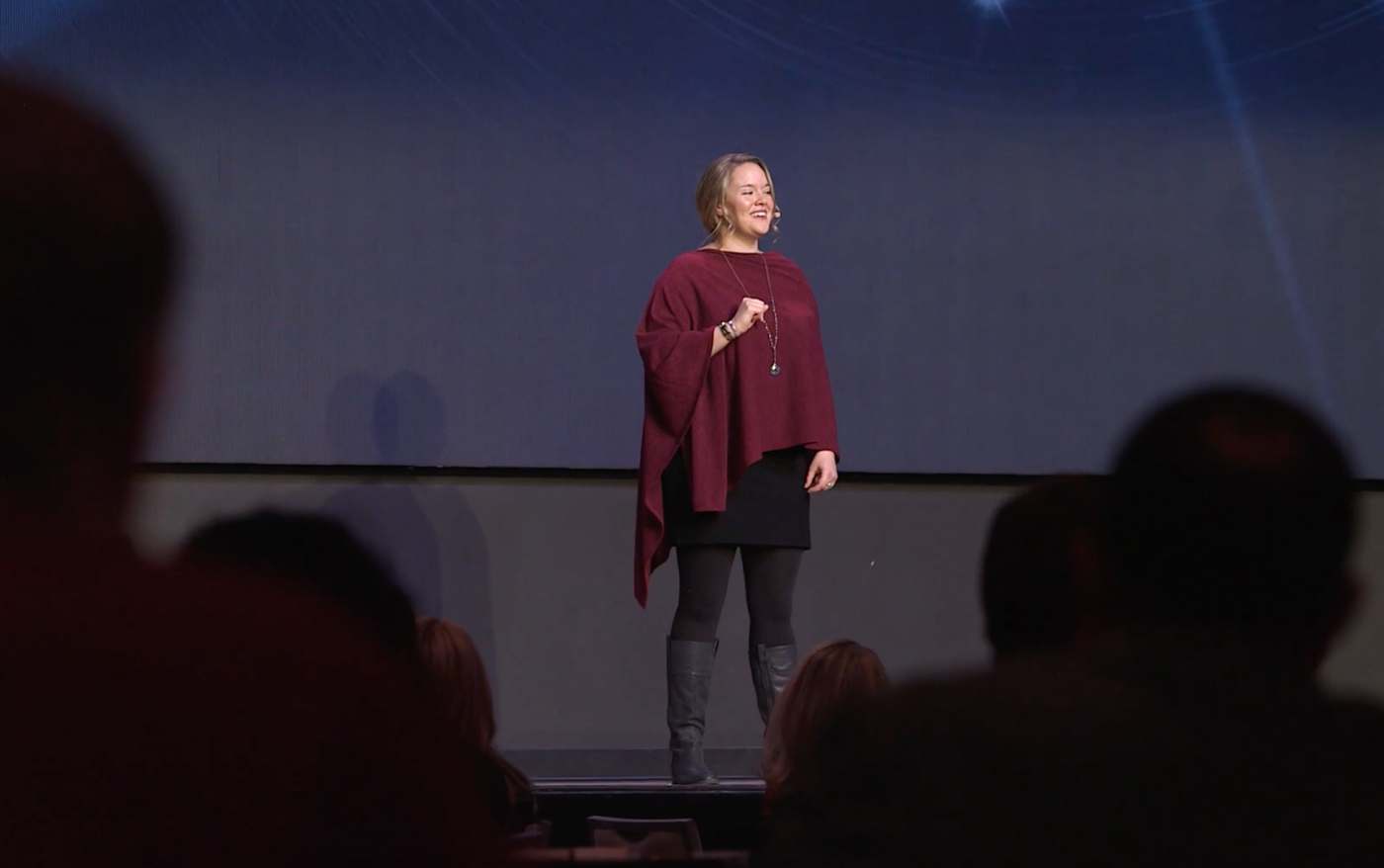
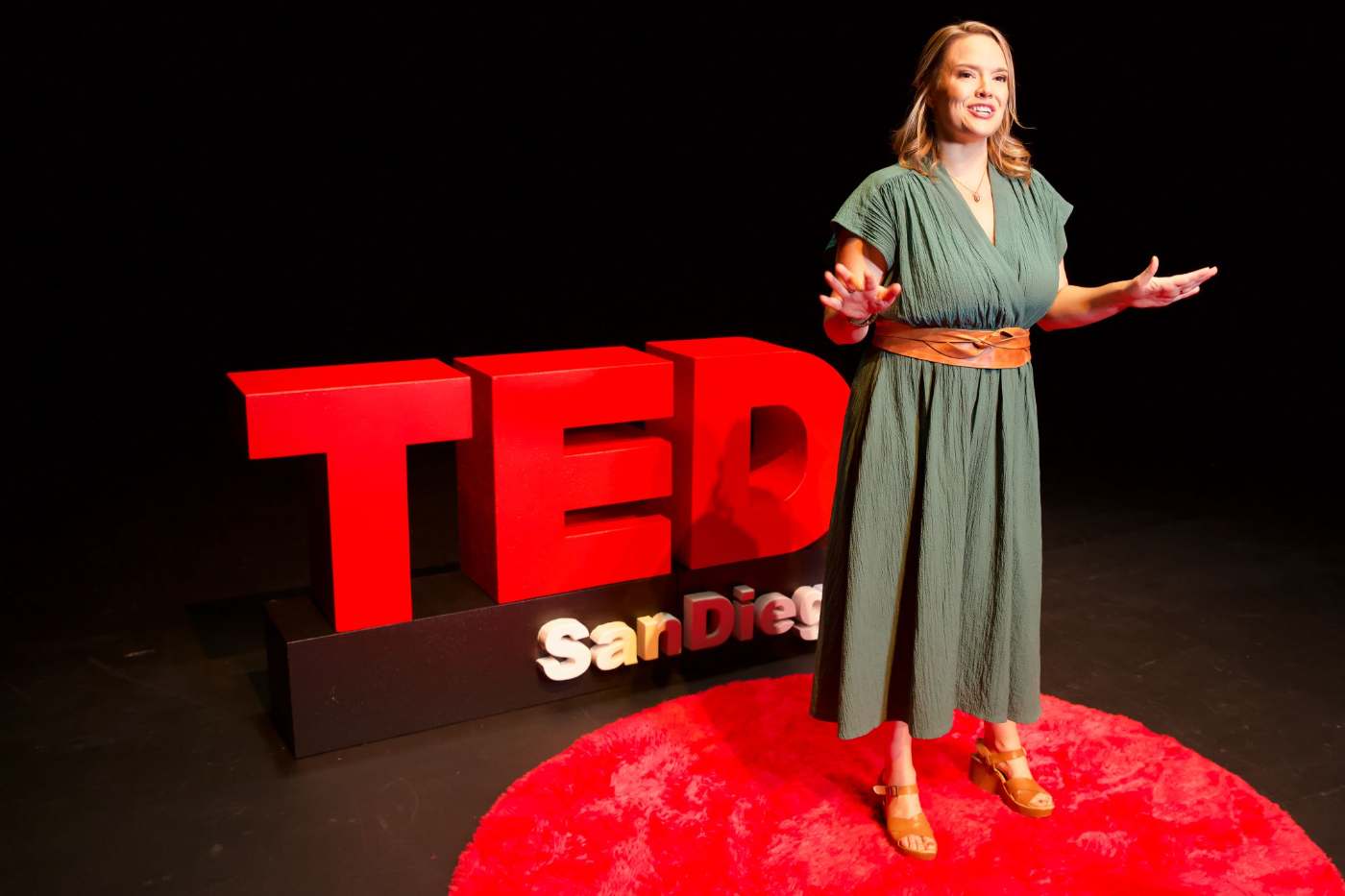
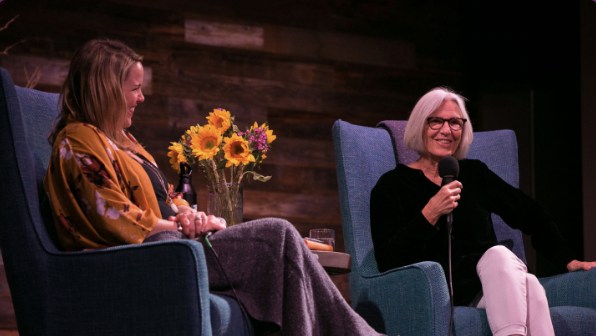
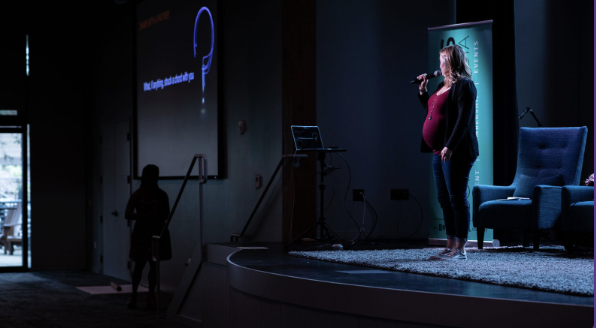
I gave a little talk in New York recently, and I came off the stage and this wonderful student at Fordham University where I was speaking came up and said, "I'm always afraid that my light is too bright. But then I just saw you shining so brightly on the stage that it encouraged me — like, you can be successful and be really different." And I was like — fuck yes. That was so awesome.
Kirsten Ludwig (35:18): That's fucking great. That's fucking great. Like — that's a life moment. God, are you afraid your light's... I mean, I hope nobody is. But of course, if —
Meghan French Dunbar: I think most of us are. I don't know. I have been my whole life. Like — yeah. Anyway. That's a whole other story.
Kirsten Ludwig (35:38): But it's a great point — especially if she's thinking it, people are thinking that. And especially as women, we have an onus. We need to do that more, because as people who have a platform and the ability to articulate it — I think we have an onus to share that. It's giving people permission to do the thing.
I want people to live their best life. Have the most fun, have the most sense of freedom, do all the things. Whatever is your truth. Everybody's truth is different. The life I lead is too crazy or whatever for a lot of people. Cool. But whatever their version is — I want to give people permission or inspiration or whatever it might be to lead their best version of that. And I think that's exactly what you do. To show people — like, shine fucking bright, babe.
Meghan French Dunbar (36:36): Yes. Ooh. Well — I guess the question I have there is the likability conversation. Of, am I too much? It feels to me — the story I tell myself about you is that ship has sailed. You are just not interested in being liked. You are very much who you are — take it or leave it. Does that feel true? And how long has that been true for you?
Kirsten Ludwig (37:05): Yes, yes, yes. That feels true for me. It's something I've leaned into more and more. And I do think it's true that once you hit 50, you give zero fucks. You really, really give — you're like, "I don't care." Not in an offensive way like "I'm just going to fucking offend everybody" — but more in a way of being able to lean into my truth more and more, and really know what that is.
There's a confidence and a commitment and an ability that comes with that. And then a lessening of caring what people think. It's really that balance for me — leaning more into my truth, being able to really identify it, really know it, and a confidence that comes with that. Giving shit less what people think. And then you hit 50 and you're like — I give zero fucks. Zero fucks. And it's really true.
Meghan French Dunbar (38:07): Aging is awesome. I'm really enjoying it.
Kirsten Ludwig: It really is. I'm in. I'm in. Cause also — the alternative's not great.
Meghan French Dunbar (38:19): Right. All right — is there anything that you wish I had asked you about that we didn't talk about?
Kirsten Ludwig (38:26): For me — the things that continue to blur the lines are my personal journey and my work journey. They're one and the same, because certainly one affects the other. I don't know how much people are still kind of coming up and believing that "well, this is separate from this, and you can still have it all and you do this and separate those things."
I think that's one of the things I like about LinkedIn — I like when people tell their personal stories. I like to know more about people versus "hey, I just won this award, I just got this." You get to know more about people when they share that. Weaving together and really understanding where somebody is today is really about that personal journey.
That's an hour-long conversation, ideally over a bottle or two of wine, that we need to do. But it's the journey of the becoming, the undoing. The idea of the unbehaving — we should be doing all of that more.
As somebody who has an 11-year-old daughter — what do I want her to do and think about? It's not to get permission from me. It's not, "Mom, do you think this is okay?" I want her to grow up with her own sense of self and know: this is what I want to do, and I'm going to go do it — respectfully, but whether people like it or not.
Those are the type of women that I think we need more of. Things are not even. We don't have enough of a voice. The more we can lean into raising and creating and supporting and mentoring those abilities — that's the world I want to live in.
Meghan French Dunbar (40:15): I have a four-year-old daughter, and she is a spicy little meatball. And I am so excited to nurture her wild flame instead of trying to crush it. The experience of getting to reparent her and just let her go be her wildest, most beautiful, spirited soul in this world — instead of telling her that it's wrong. That's some of the work that I'm here to do on this planet. That's one of the reasons I feel like I'm here. It's so fucking beautiful.
Kirsten Ludwig (40:44): Totally. But isn't that amazing — to go through and have a moment? I go through and have those moments and I identify them with her. But then I also go — what if I, instead of having to relearn that, just learned that that was okay? What if I just learned to lean into that? What if I learned that sensitivity is a superpower versus don't be so sensitive? What if you had a complete reframe on all of this?
We have the ability and onus to do that. With our daughters. And in the workforce — being people who are visible, sharing that. You're certainly doing that on your podcast, with your book, all the places. We need to be that platform. We need to mentor. We need to support. We need to empower. We need to inspire. That's the work we all collectively are doing.
Once you break down any kind of societal norm — they kind of all come crushing down. Menopause. Aging. Sexuality. Divorce. It's all of the things. Once you break down one, you're like — did they all really exist? Were any of these real? And it's like — fuck no. They weren't real.
Meghan French Dunbar (41:56): Permission slip. If you were giving listeners a permission slip — what is the permission you give people to start unbehaving in some certain way?
Kirsten Ludwig (42:07): I would tell them to ask for forgiveness, not permission. That's it. Don't even think about permission. It's more about — do the thing that lights you up. And then if you needed permission, you can ask for forgiveness if anybody calls you on it.
Meghan French Dunbar (42:28): How do people find you and support you and learn about all your work — besides Substack, Good Thinking, the podcast? Where are the places people find you?
Kirsten Ludwig (42:37): Yeah — sign up on our Substack, Good Thinking, for the podcast and the Substack. And hit me up on LinkedIn.
Meghan French Dunbar (42:43): Yay. Thank you, thank you. My heart feels so damn full. I'm just in awe of you, and I adore you, and I'm so grateful.
Kirsten Ludwig (42:53): Thank you, thank you for having me. It was so, so good to catch up with you.
Meghan French Dunbar (42:56): All right, my friend — before we wrap up completely, here are my key Unbehaved lessons of the day from Kirsten.
Lesson number one: Lean into the cringe. Kirsten highlighted the fact that it's often when we lean into those uncomfortable, courageous moves — instead of avoiding them — that there's something beautiful on the other side. She said the reward is often tenfold whatever it is you are avoiding. It made me wonder — what things am I avoiding right now that I might need to lean into instead? And I would ask the same question of you.
Lesson number two: "You can have it all and balance it all" — the whole thing is bullshit. Be intentional instead. I love how Kirsten reframed this for us — the unbehaving move isn't pretending you can do it all. It's being conscious and intentional about the trade-off that matters. How can you go on that work trip in a good way? What do you communicate to the people you love in those moments when you have to prioritize your work for a bit? That's the good stuff.
Lesson number three: Model the behavior you want other people to feel permission to do. Kirsten talked about the fact that the two-week maternity leave shame wasn't about the bond with her daughter. It was about modeling that only taking two weeks off is okay. I felt this one in my bones. Oftentimes setting healthy boundaries, prioritizing what matters, or even just taking care of yourself — isn't just benefiting you. It's giving other people permission, and sometimes even a blueprint, to do the same thing themselves.
Lesson number four — an oldie but a goodie: Ask for forgiveness, not permission. Kirsten's permission slip right at the end. Just don't overthink it. Unapologetically do the thing that lights you up. And if someone calls you on it, deal with it then — but stop waiting for approval before you just do the damn thing.
That's all for today, my friends. If you enjoyed the episode, maybe share it with a friend or leave a good review. Any support for the show means more to me than I can ever express.
Until next time.