Francesca Donner: You're Not Boring | Unbehaved
Is there a voice in your head telling you that your story isn't interesting, that your idea isn't good enough, or that everyone else is somehow doing it better? Then this is the episode you've been waiting for.
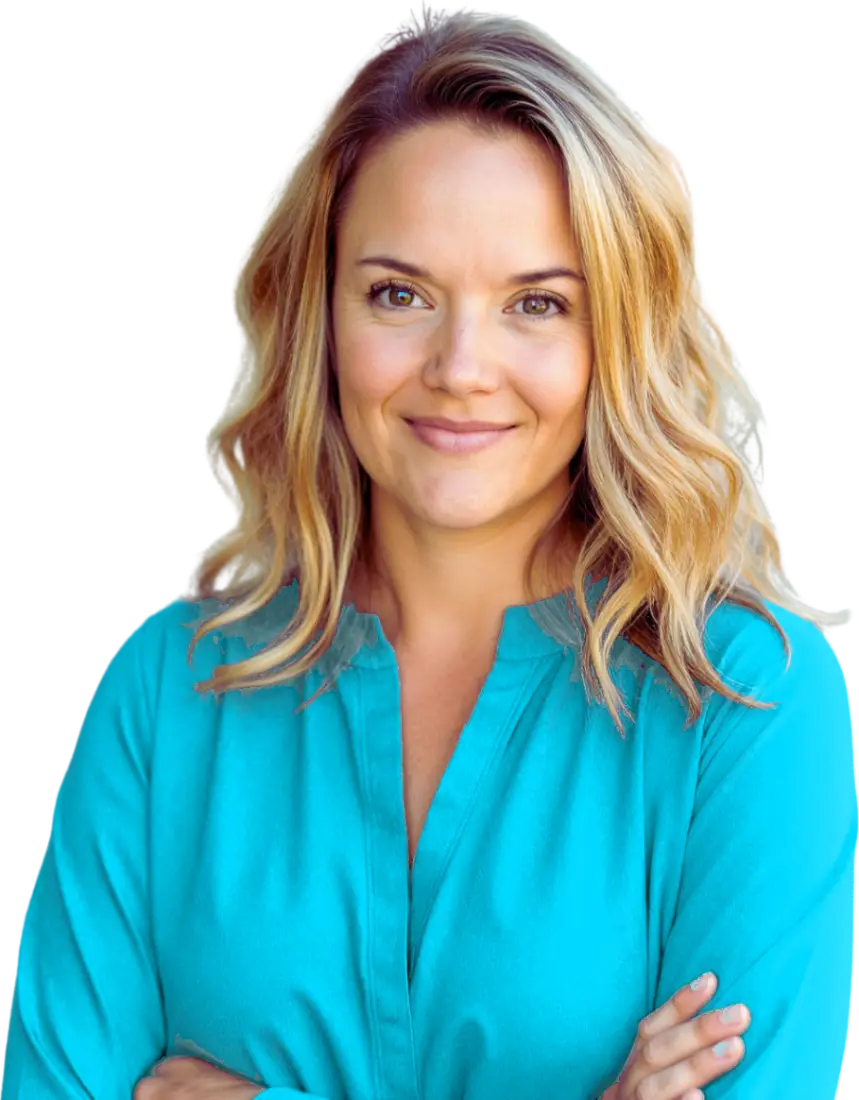
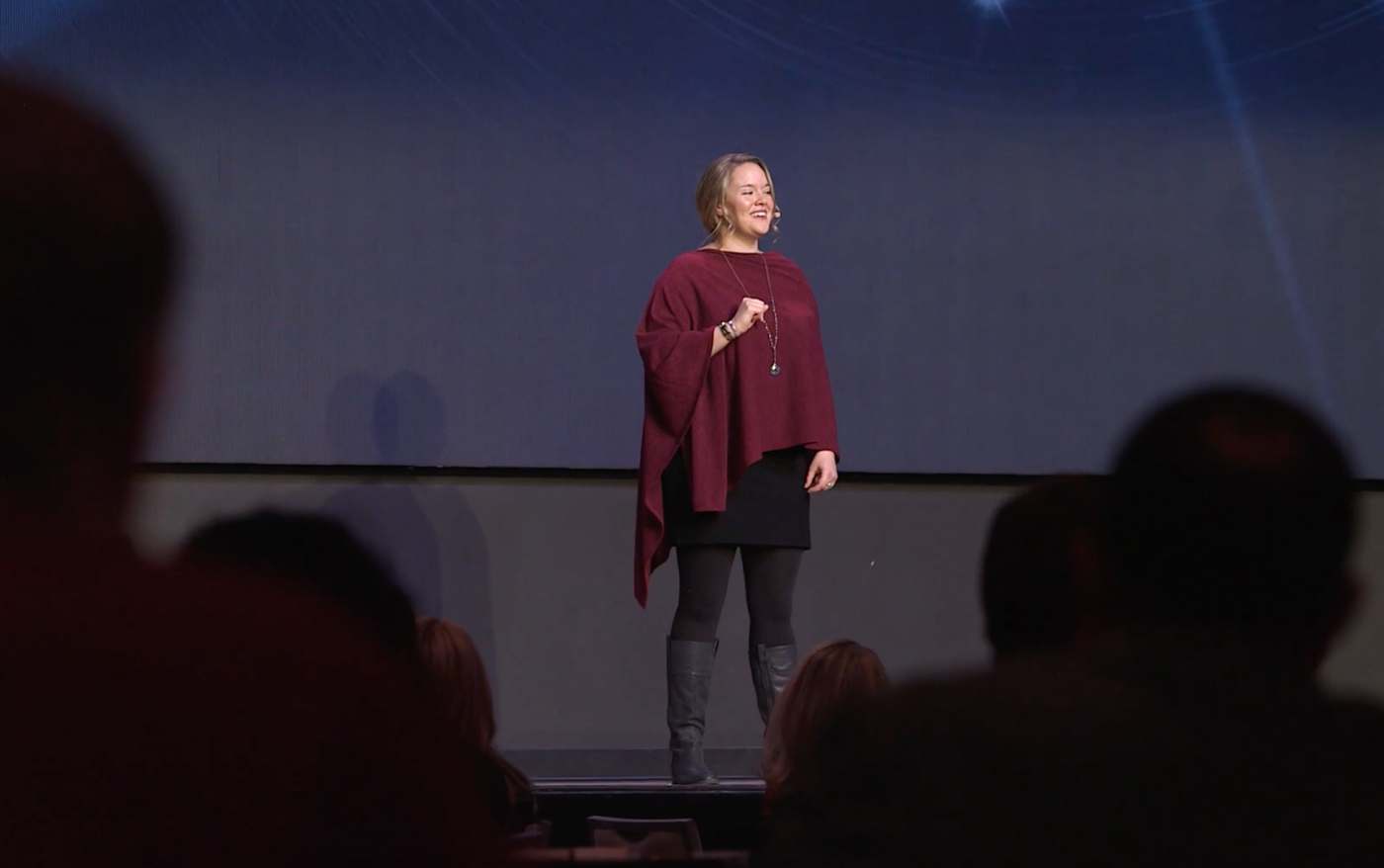
You'll meet Francesca Donner, who spent two decades in the biggest newsrooms in the country — The Wall Street Journal, The New York Times, editing the paper's pioneering In Her Words newsletter — watching women's stories get buried on page 50 of the paper.
Two years ago, Francesa got fed up with the lack of women's stories in the news and launched her own media company, The Persistent, with zero business background. And promptly won two Webbys.
In this conversation, Francesca and Unbehaved host Meghan French Dunbar unpack why so many of us have been conditioned to believe our stories don't matter. Francesca also tells the story of the "failed" mug email that became her favorite permission slip, why she says clarity only ever comes in motion, and the game-changing practice she gave herself this year for silencing the negative talk that runs in every high-achieving woman's head.
WHAT WE COVER
The DNA of the newsroom — why women's stories get buried, and why it happens everywhere, not just in journalism
The Carol Hymowitz mentor moment that changed how Francesca reads every publication
Why "until you have it pointed out, you tend not to notice it" is Francesca's foundational insight — and how it applies to every meeting you sit in
The 75% stat: men are quoted as experts in news stories about three-quarters of the time
The mug email: 650 of Francesca's most engaged subscribers, a 97% open rate, and zero paid conversions — and why she's glad she sent it anyway
Why the New York Times shutting down In Her Words was the door that opened The Persistent
Launching a company with zero business background — and why muddling through is a legitimate strategy
The moment her team told her "people actually want to hear from you" — and the negative loop every high-achieving woman recognizes
The editor's-note thumbprint: how Francesca found her own voice inside a publication that isn't supposed to be about her
The Webbys reveal: two days of celebration if you win, two weeks of spiraling if you lose — and what to do about that imbalance
Amina AlTai's "clarity comes in motion" — and why Francesca uses it as her North Star
ABOUT THE GUEST
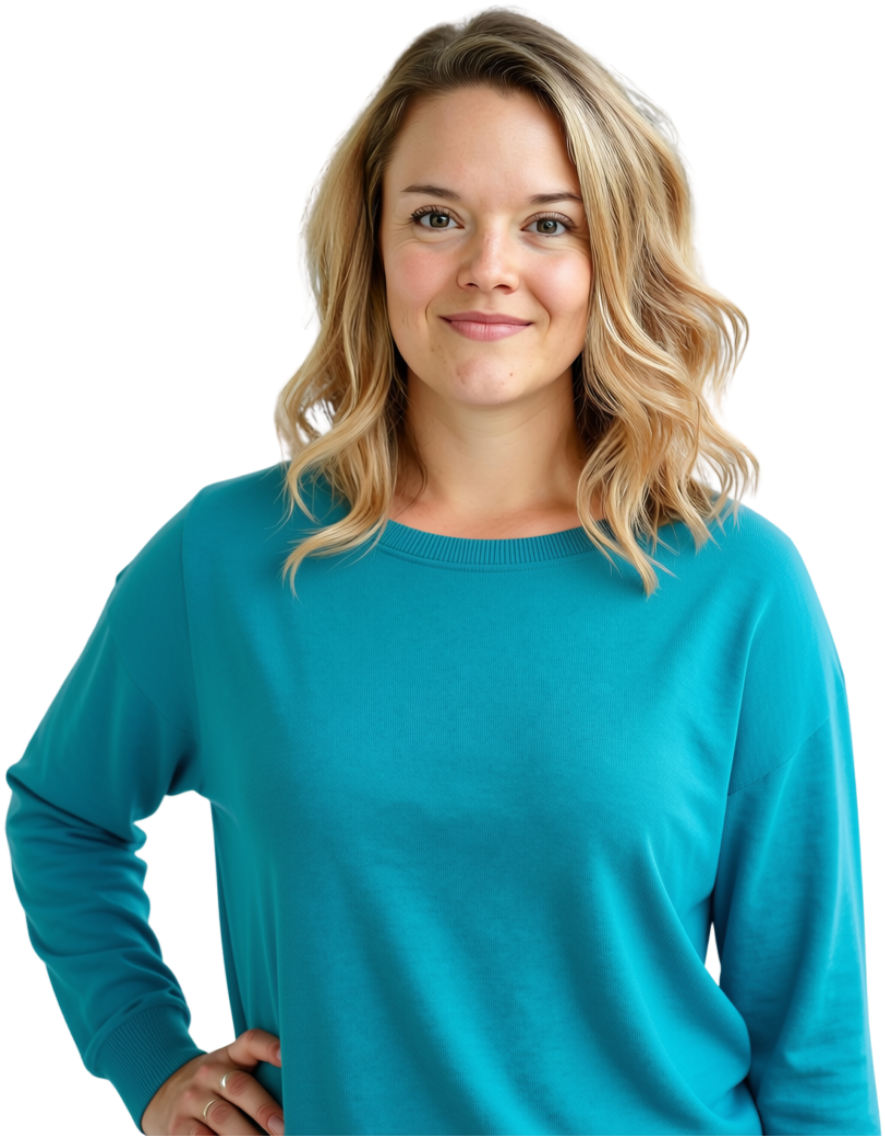
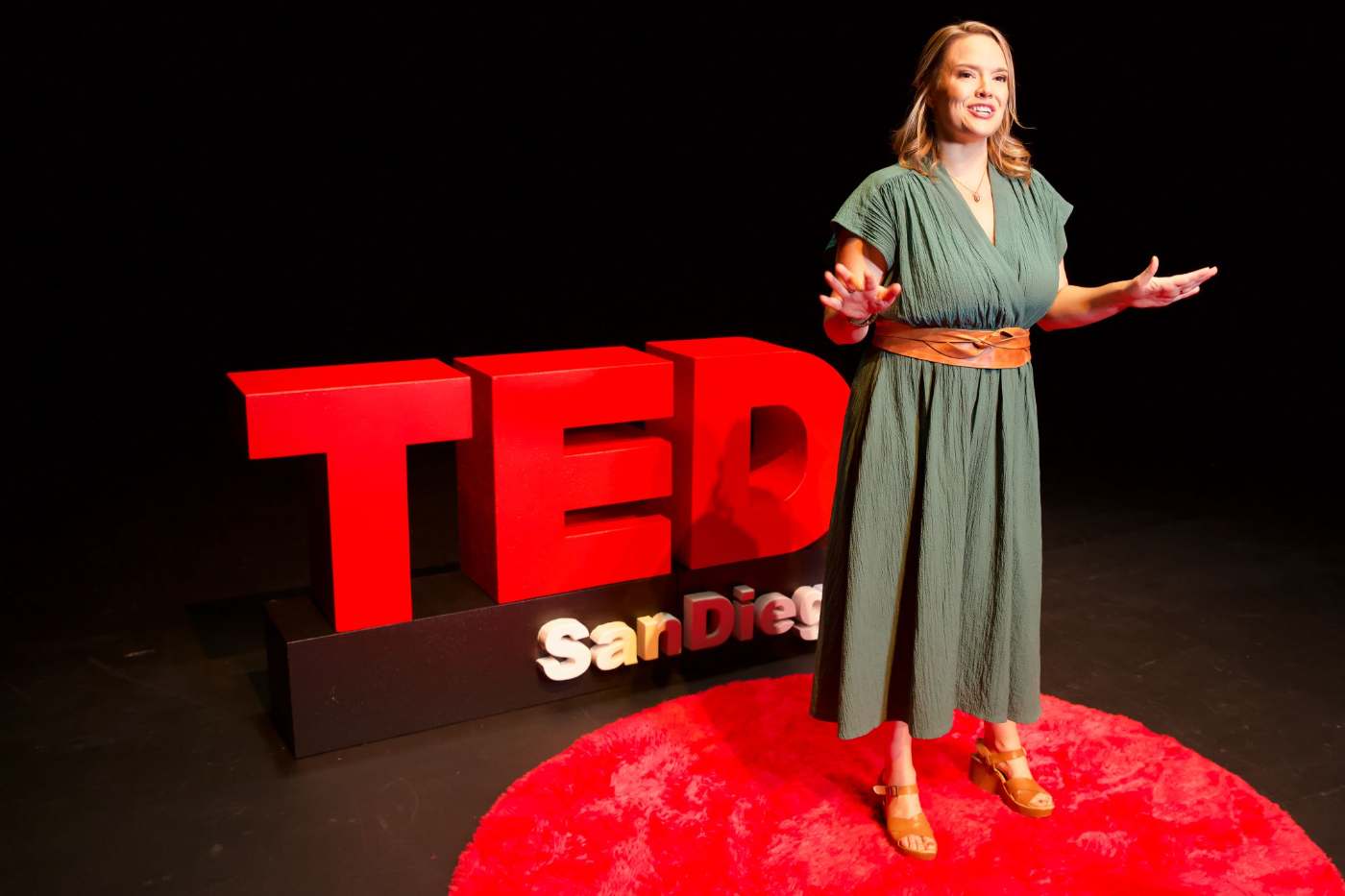
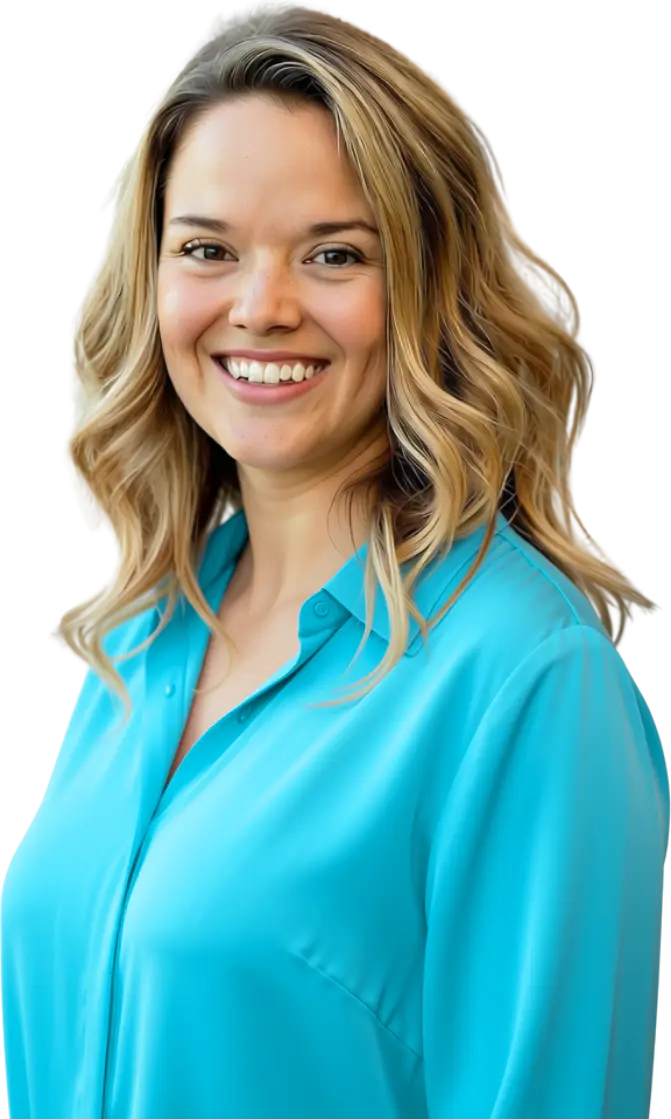
Francesca Donner is the founder and editor of The Persistent. She has worked in newsrooms including The New York Times, where she was the gender director and the editor of In Her Words, and The Wall Street Journal, where she was a deputy editor. The Persistent won two Webby Awards for Independent Publisher — the People's Voice Award and the judge-selected award — in 2026.
Find her at https://www.thepersistent.com/
Subscribe. Read. Share. And put your money where your values are.
PULL QUOTES
"We don't see our stories on the front page of XYZ newspaper, because our stories aren't told, because they're relegated to page 50 of the paper, because they're told on the second day, because they're told as an afterthought or a sidebar. That is why. We can't believe that we've got a story to tell because we're so rarely in the center of the story." — Francesca Donner
"Until you have it pointed out, you tend not to notice it. Until you have pointed out the fact that men are quoted as experts in news stories about 75% of the time." — Francesca Donner
"I'm so boring. Nobody wants to hear from me. I'm da da da da da da. Right? And around and around in circles." — Francesca Donner, on the voice in her head when her team asked her to start telling her story
"That particular email had a 97% open rate. And do you know how many people upgraded to paid? Zero. Zero. Absolutely not one person." — Francesca Donner, on the now-legendary mug email
"Everything is a stepping stone. So many things are mistakes — but mistakes are data." — Francesca Donner
"If we had not won these awards — if we'd been only a finalist, or hadn't been in consideration at all — do you know how much brain space I would have given to that? I would have spent days and days thinking about all the things wrong. Instead of just saying, okay." — Francesca Donner
"Give yourself some grace. Give others some grace. We are all doing our best. We're all muddling through." — Francesca Donner
"Clarity comes in motion. As soon as you stop thinking and start doing, that's where the clarity comes." — Meghan French Dunbar, quoting Amina AlTai
"Everyone has something to teach and everyone has something to learn. Everyone's story is valid and interesting. And we are so conditioned to believe that it is not — including you and me, literally storytellers." — Meghan French Dunbar
CHAPTERS
00:00 — Cold open: "we're so rarely in the center of the story"
00:24 — Meghan's intro
01:46 — Career journey: from GQ to the Wall Street Journal
04:00 — Being the squeaky wheel at the WSJ in 2007–2008
05:54 — The New York Times Gender Initiative and In Her Words
08:17 — Why the Journal wasn't the curmudgeon — and the DNA of the newsroom
09:05 — Carol Hymowitz mentor moment: "until you have it pointed out, you tend not to notice it"
13:38 — Being armed with data: the pain of what's obvious to you but not to them
15:47 — "Everything you do is data" — planting the seed
17:48 — Everything is a stepping stone. Mistakes are data.
19:00 — The mug email: 650 subscribers, 97% open rate, zero paid conversions
22:39 — The double standard for women and people of color making mistakes
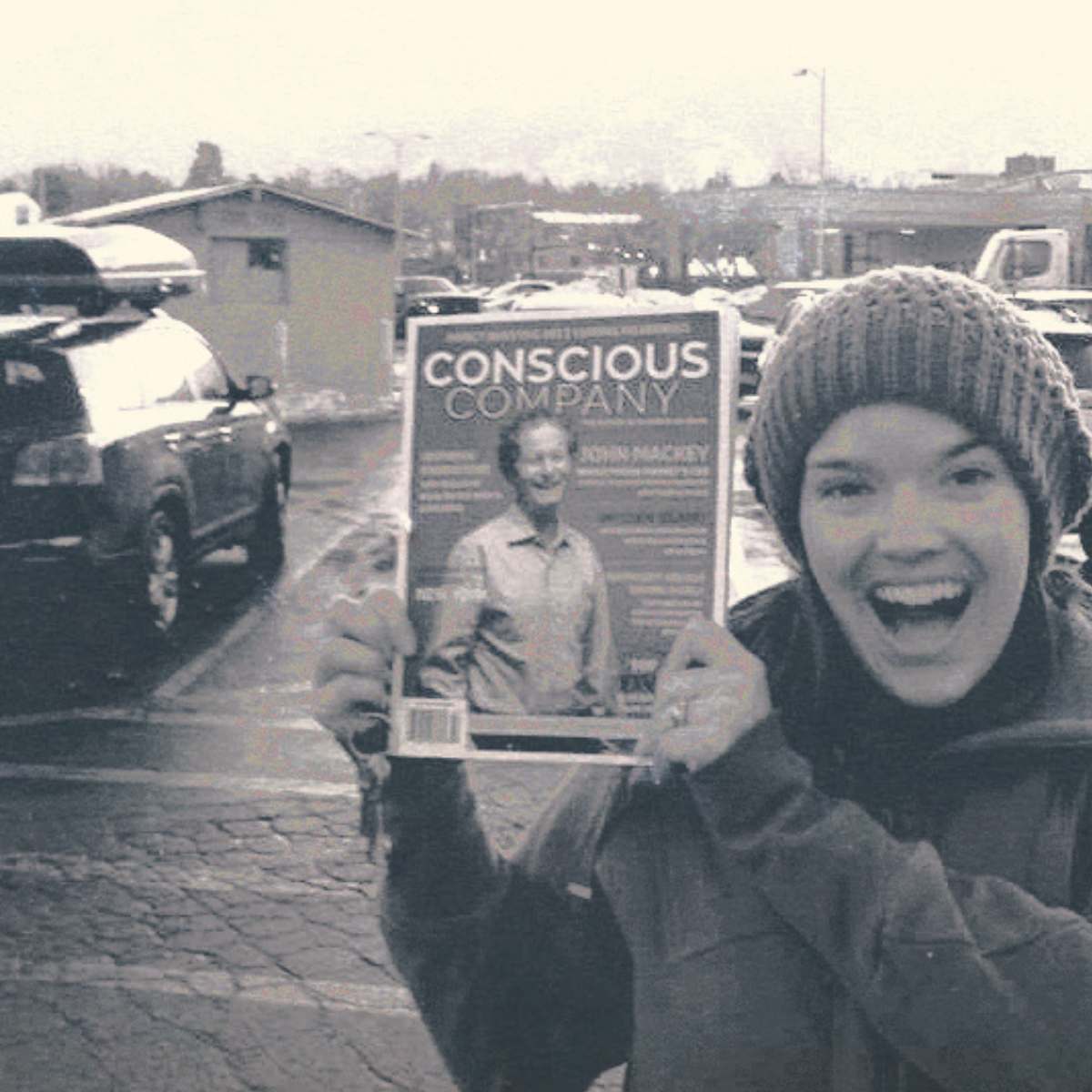
24:15 — Meghan on Conscious Company Magazine — and the parallel-founder exchange
25:43 — Why she launched The Persistent in 2024
28:00 — Launching a business with zero business background — the muddling-through method
31:14 — Clarity comes in motion (Amina AlTai reference)
31:57 — First two years of The Persistent: the toddler analogy
33:08 — The two Webby Awards
35:00 — The hard bit: how do you make people pay for media?
37:15 — Stepping out of the editor's shadow into the founder's spotlight
40:13 — "I'm so boring. Nobody wants to hear from me."
41:00 — The editor's-note thumbprint
42:32 — Meghan's parallel story: the book deal and hating social media
44:30 — Everyone has something to teach, everyone has something to learn
44:54 — Francesca's full-circle answer: this is why we can't believe we have a story
45:29 — The book prop moment: This Isn't Working
46:26 — Meghan asks for Francesca's permission slip
46:53 — Give yourself some grace (her permission slip)
47:30 — The Webby brain-space observation
49:56 — How to find and support The Persistent
51:17 — Unbehaved Lessons of the Day
THE UNBEHAVED LESSONS OF THE DAY
Your story matters. You've been conditioned to believe it doesn't. That you're not interesting, that no one wants to hear from you, or that you should just amplify everyone else. Even Francesca — a former New York Times editor with two Webbys on her shelf — still hears "I'm so boring, nobody wants to hear from me" in her head. You're not alone in that voice. But it isn't right. Your story is interesting, and it's important. So start telling it.
There's often opportunity in your frustration. Pay attention to what you wish were different. That gap might just be your next thing. Francesca launched The Persistent because she was furious that women's stories were being buried on page 50 of the paper. She didn't have a business background, but she dove in anyway. Two years later, she has an award-winning media company. You don't have to know everything to get started — you can figure things out as you go.
Clarity comes from taking action. You can focus-group a decision to death. You can plan the pros and cons and think about all the things that could go wrong. But clarity comes from doing. Francesca launched The Persistent before she'd figured out whether to be an LLC, how to write a contract, or how to make people pay for media. And the failed mug email gave her more clarity in five minutes than five months of theorizing would have. If you've been thinking about the thing for a while, this is your permission slip to just start.
Until something's pointed out, we tend not to notice it. Things that are obvious to you might not be obvious to everyone else. Simply starting the conversation and planting the seed matters. Even if you don't see the fruit of your labor right away, it can impact others in unexpected ways — and it can grow into something that shapes the rest of your career.
Give yourself some damn grace. The Persistent won two Webby Awards, and Francesca barely celebrated. But if they had lost, she said she would have spent days spiraling on everything her team did wrong. That imbalance is how so many of us are wired. We give hours of brain space to what went wrong and only seconds to what went right. Give yourself some grace. Give other people some grace. We're all doing our best. We're all muddling through — and that includes you, my friend.
Pay for good quality journalism. This one's on us, listeners. Put your money where your values are. If you want more stories like the ones Francesca is telling, we need to pay people for them.
RESOURCES MENTIONED
People + companies referenced:
Francesca Donner — founder and editor of The Persistent
The Persistent — thepersistent.com
Carol Hymowitz — Francesca's mentor at the Wall Street Journal
In Her Words — the New York Times newsletter Francesca edited
Amina AlTai — quoted on "clarity comes in motion" (see her Unbehaved episode)
Harvey Weinstein story (NYT) — referenced as example of long-form investigative reporting
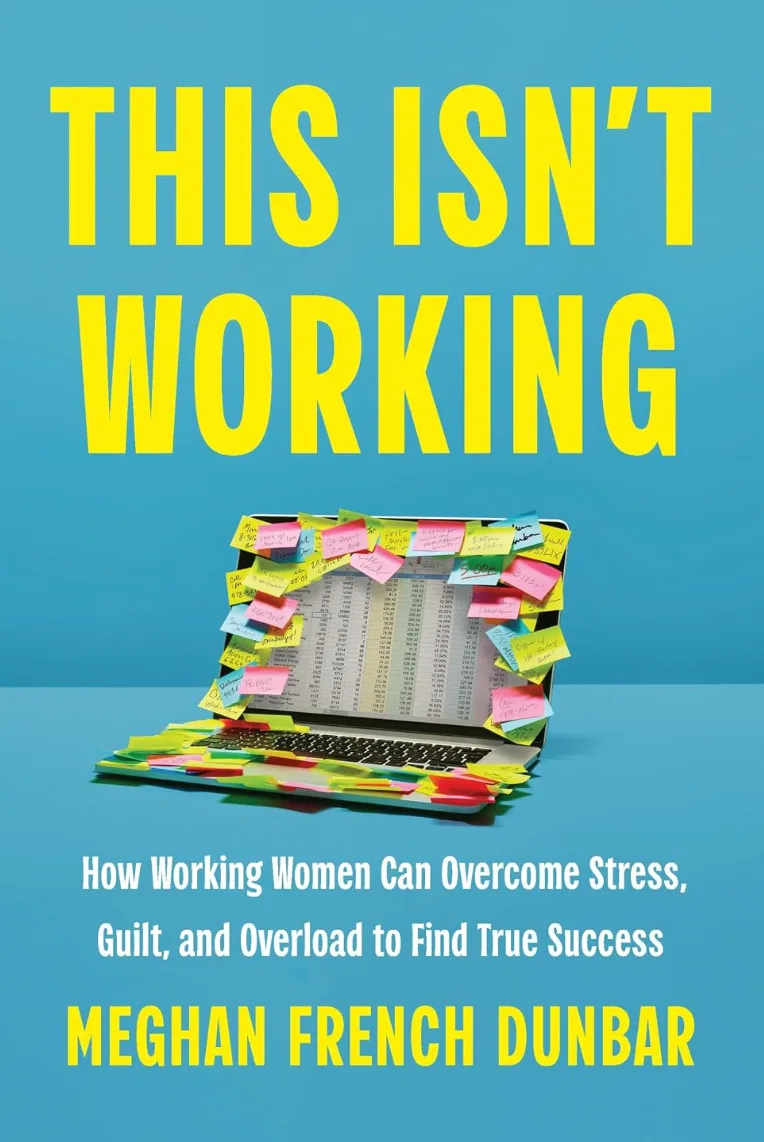
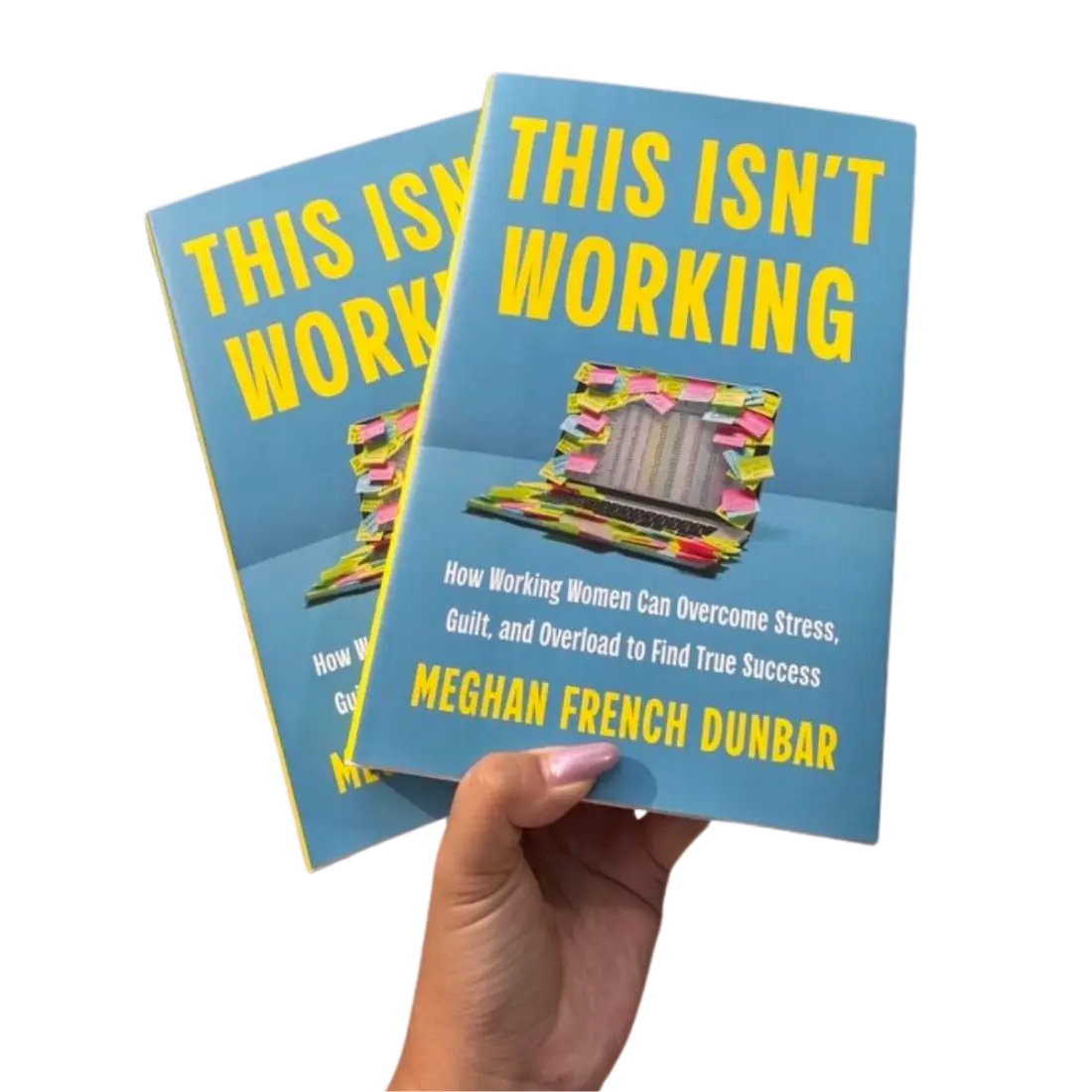
Meghan's book: This Isn't Working (Hachette, 2025) — meghanfrenchdunbar.com/book
Conscious Company Magazine — Meghan's media company (2015–2020)
Webby Awards — The Persistent won two for Independent Publisher
Statistics referenced:
Men are quoted as experts in news stories about 75% of the time
The mug email: 650 subscribers, 97% open rate, zero paid conversions
CONNECT WITH MEGHAN
Book: This Isn't Working
Website: meghanfrenchdunbar.com
Substack: meghanfrenchdunbar.substack.com
Instagram: @meghanfrenchdunbar
LinkedIn: linkedin.com/in/meghanfrenchdunbar
Full Transcript (Cleaned)
Final edit — includes cold open, Meghan's intro, and the six Unbehaved Lessons of the Day.
Francesca Donner (00:00): We don't see our stories on the front page of XYZ newspaper, because our stories aren't told, because they're relegated to page 50 of the paper, because they're told on the second day, because they're told as an afterthought or a sidebar. That is why. We can't believe that we've got a story to tell because we're so rarely in the center of the story.
MEGHAN'S INTRO
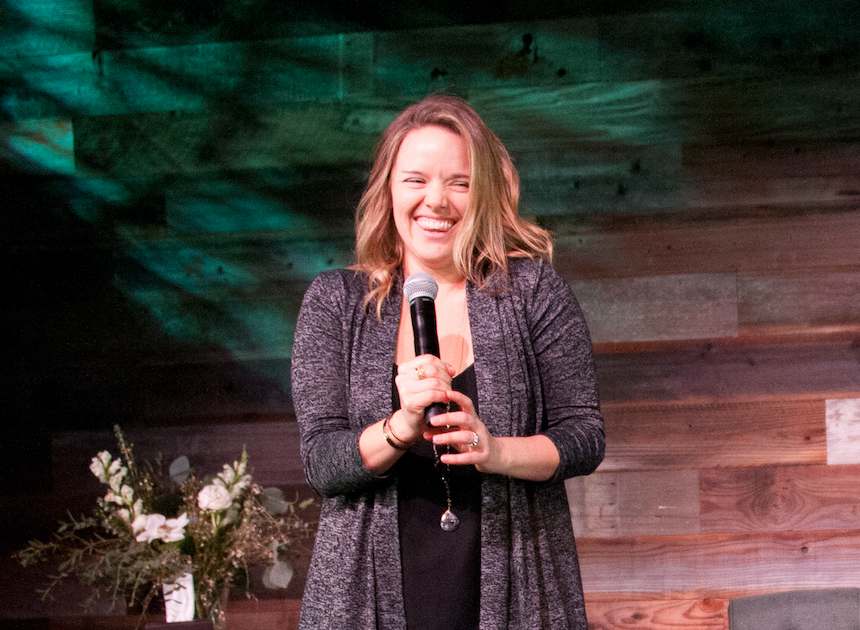
Meghan French Dunbar (00:24): I'm Meghan French Dunbar, and welcome to Unbehaved.
You just heard from Francesca Donner, founder and editor of The Persistent, a media company dedicated to amplifying women's voices.
And I'm gonna be honest here, folks — I was kind of nervous heading into this interview because Francesca is pretty fancy. She's the former gender director for the New York frickin' Times, editor of the Times' pioneering newsletter In Her Words, and the former deputy editor of the Wall Street Journal — just among other things.
So I made some assumptions. Like that she'd be super serious and kind of posh and that she wouldn't really appreciate my whole unbehaved vibe.
How very wrong I was. I think I may have laughed more on this episode than any other one to date.
Francesca is refreshingly open, humble, hilarious, and deeply charming. And in this episode, we discuss how she launched a business with zero business background, the gift of failure — including the now legendary mug email that flopped so spectacularly it sent us both into a fit of giggles — why so many of us are taught to think our stories don't matter, and how to use your voice, no matter your role, to bring attention to issues that truly matter.
I'm so grateful you're here, and I can't wait for you to hear Francesca's inspiring story.
Let's get into it.
THE INTERVIEW
Meghan French Dunbar (01:46): So, if we could have the nutshell of the career journey and how it has led to The Persistent.
Francesca Donner (01:53): So my career begins quite a few years ago now because I'm older than I once was. It happens.
Meghan French Dunbar: If we're lucky, it happens.
Francesca Donner: My career journey begins a couple of decades back, when I began working in newsrooms — big mainstream newsrooms. I'd always been interested in media and the idea of editing. I had a brief stint at GQ, which was not the ideal fit for me, but was very eye-opening. From GQ to The Persistent — covering women for a change. Educational, right?
I started out in magazines and then rapidly shifted over to news and newsrooms, and that was really where I found my fit. One of my first big grown-up jobs was at the Wall Street Journal. I thoroughly enjoyed it. I don't know how many of your audience have worked in newsrooms, but there is definitely an energy in there that just feels so good and kind of addictive in a positive way.
I started at the Journal, and almost immediately I started thinking about how we were covering women — or not covering women. This was probably around 2007, 2008, right before the financial crisis.
I was thinking a lot about why were there just no women in our stories? You could turn page after page of the Wall Street Journal and not find any women's voices at all. And sure, you can sit there and say, well, business is so male-dominated, most men are running all the companies — which is true, and still kind of true today. But it still felt really, really lopsided and problematic.
So while I was there, I started thinking about how we could make a more concerted effort to cover women. Which was a good idea that was way, way before its time. People weren't really ready for this idea. People were still thinking, "there is no difference between women and men, we'll just wear those awkward 1980s ties with big shoulder pads and no one will notice the difference."
What I was frustrated with was really just not seeing women in the pages of the Wall Street Journal. And I got pushback — pushback from readers, pushback even in the newsroom itself. The reader pushback came from this idea of, "well, are you just saying women should only read these stories? Are you just saying women only belong in a single section of the Wall Street Journal?" And I was saying — no. No. That's not the intention. The intention is: if we don't make a concerted effort to cover women, women just won't really be covered at all.
Eventually I ended up at the New York Times. And long after the sort of 2007, 2008 "how are we covering women?" question, I ended up joining something at the New York Times called the Gender Initiative. When they asked me to join, I thought, "oh my God, I don't know if I have the stomach to do this again. I was so scarred."
But what's so interesting is: I was scarred because of the reader pushback, but it was so inherent in me — how I was reporting on stories, how I was editing, how I was thinking about who got covered and who got voiced and who didn't. It was really integral in how I edited already.
So at the New York Times, we started the Gender Initiative around 2016, right around the time that Trump was getting elected into office the first time. It was a really groundbreaking moment for women, for women's stories to be centered. The Me Too movement had basically put all of this stuff that everyone knew was happening — but no one was talking about — center stage. You couldn't look away from it. It was a completely different time to be deliberately covering women.
While I was at the Times, among many projects, we ended up launching a newsletter called In Her Words. Really trying to center women in the story. Ran that for a couple of years. I think we did a really good job, but ultimately the Times decided that it was no longer needed. So that was Sunset.
I ended up leaving the Times, took a job in sort of business journalism briefly. But at the end of the day, I really felt like there are so many stories waiting to be told. When you look at mainstream journalism, women's stories tend to be told — if they're told at all — as an afterthought, as the sidebar, delivered with a giant dose of eye roll, or a cute pat on the head, or "this is all really nice and cutesy, but we'll put it on page 50 of the paper." Not delivered with the seriousness of purpose that it deserves.
Because women's issues — and I hate even that term because it sounds belittling — but women's issues are everyone issues. They're economic. The gender pay gap. Unpaid labor. If women weren't doing the unpaid labor, there would be no global economy at all.
And that sort of brings you up to today. And then I launched The Persistent — and we can talk about that.
Meghan French Dunbar (08:17): Okay. The Wall Street Journal — if you were to think of the most curmudgeonly old-white-man thing in journalism, I'd be like, "meh, probably the Wall Street Journal." And there's also the social conditioning that many women have around not making people uncomfortable. We don't want to be the squeaky wheel. And yet, you're there way before your time being the squeaky wheel. Where does this come from — the courage to stand up for the thing that you think is right, even in a historic institution that is so counter to what you're advocating for?
Francesca Donner (08:54): So, firstly — the Wall Street Journal might appear on the outside to be curmudgeonly, but inside, it's filled with fantastic reporters and editors. I truly, truly enjoyed working there. I recognize that the opinion pages may be a little radical — they are completely separate from the newsroom. In my time, it was filled with fantastic journalists doing fantastic work, getting the story no matter what — tenacious and smart.
In terms of being the squeaky wheel — I don't think this is Journal-specific. Any time anyone says, "hey, what are we doing about covering women?" there's this knee-jerk reaction of, "oh my God, here comes the gender police. They're coming to tell us we're doing everything wrong. We don't want to hear from them at all." I don't think it's a Journal thing. I think it's an everywhere thing.
I call it the DNA of the newsroom. The choices people make about stories, the hierarchy of things they think are important. At the Journal, the hierarchy of important things was markets, economics, politics, business — and down the list it went. If you're deliberately covering women, it tends to muck up the DNA and the hierarchy and the way things are done.
And this is the secret, I think: Until you have it pointed out, you tend not to notice it. Until you have it pointed out that men are quoted as experts in news stories about 75% of the time. Until you start looking at who's writing the story, who's taking the photographs, who's represented in the photographs — is it man, man, man, man, man? Beyond women — are there people of color? Disabled bodies? Trans people? Until you start looking for that, you don't see it. Because we are all socialized to see the world the way we've been taught to see it.
When I was at the Journal, I had an amazing mentor — Carol Hymowitz. She said, "Francesca, we've got this real issue because we're not covering women enough." And I thought — what are you talking about? Then you start looking critically. Turn the pages. Are there any stories about women? There aren't. Where are their voices? Why are women always the people in the story to whom things happen? Why are men always positioned as the hero? Once you start to see it, it's really hard to unsee.
And it's the same thing in our lives. In meetings — men tend to speak more. Women are asked to take notes. Women are spoken over. Their ideas are co-opted and presented as someone else's idea. And if someone doesn't point out those things, you just bobble along and think, "oh, that's just the way a meeting is."
Meghan French Dunbar (13:38): A couple things come up — one is being armed with data. Here's the fact, so it's irrefutable. And two — some of the things we might feel are obvious still need to be pointed out. They're obvious to us because they're happening to us. But they are not obvious to the other people who are not having that happen to them. Which is something I feel like I need to remind myself of constantly — not assuming any sort of knowledge on anyone's part.
Francesca Donner (14:10): This is so interesting — because it's not obvious. So we have to point it out. But even after we point it out, there's a tendency among certain people to say, "well, that's fine, but what's in it for me?" I get that women aren't being paid as much as men, or that they're not escalating in their jobs the same way, or that there's a motherhood penalty — but what's in it for me if I try and correct that? Is there any incentive?
Even when you show the data — actually, more diverse teams make more money, more diverse teams yield better ideas and better products — there's still this heels-stuck-in-the-mud part of people. "Yeah, but I don't know, I don't believe it. Other people can do that, but not on my watch."
Meghan French Dunbar (15:47): With the Wall Street Journal — you mentioned pushback. Did you feel there were parts of your efforts that were successful?
Francesca Donner (15:57): Look — I was a really, really young editor at the time. I don't want to say they didn't take me seriously, because that would be unfair. It's not like I was running the paper. I think we were successful insofar as we even started the conversation. Even saying, "have you thought about this? Could that change how you report something?" — planting the seed. Maybe that's a bit generous. But if nothing else, it planted the seed in my own head and became the through line of my career.
Meghan French Dunbar (16:45): I feel like a lot of women come and talk to me about an idea or something they want to change in their workplace. And they run into: what if it doesn't work? My response is always — everything you do is data. Even efforts I've undertaken that were 100% values-aligned that didn't pan out — 10 years later I look back and go, "oh, now I understand. I have this knowledge or experience I wouldn't have had if I hadn't tried the thing." So it makes the idea of quote-failure a little more palatable. Do you feel what you did at the Wall Street Journal ultimately was part of the reason you were able to move into that role at the New York Times?
Francesca Donner (17:48): Absolutely. Everything is a stepping stone. So many things are mistakes — but mistakes are data. I'm not scared to make mistakes because at the end of the day, we're not sending COVID vaccines around the world. We're not making sure astronauts in space stay alive. We're just doing this publication. I say to my team all the time — let's give it a go. If it's a disaster, guess what? We won't do it again. We really won't.
And I'm happy to talk about a mistake. It was a mistake, but it was a learning. So — one of the challenges I'm facing right now: I'm a media company. It's very, very, very hard to get people to pay for media. People will pay for their food, their clothes, their rent, concert tickets, water, electricity, their car. Other than the air they breathe — and sometimes even that — they're paying for everything except media. That's where people draw the line.
We were looking at our subscribers, and we found this really passionate cohort. We have a big universe of free subscribers, of which a portion pays. And we found a special cohort of people who were absolutely addicted to The Persistent. They were opening it at 100%.
Meghan French Dunbar (19:48): Yes, I love these people.
Francesca Donner (19:49): Okay, love them. They are literally the very heart and soul of what we do. But they weren't paying. So we thought — let's see if we can encourage these people to pay. Small cohort — maybe 650 people. Special. We sent them an email: "We know how much you love The Persistent. We thought you might want to consider upgrading your subscription to paid. And if you do, we're going to send you a free Persistent mug. Who wouldn't want that, right?"
That particular email had — as will be no surprise to you — a 97% open rate. And do you know how many people upgraded to paid?
Meghan French Dunbar (21:08): Four. Zero. No.
Francesca Donner (21:09): Zero. Zero. Absolutely not one person. And I got two lovely emails from two women who said, "I love the idea of a free mug, but I'm not in a position to be able to pay for The Persistent." And that was it. That was the beginning and the end.
You can sit here and say, gosh, what a failure. Or — gosh, what a learning. Maybe a mug isn't going to make people upgrade. Maybe our offerings aren't quite right. Maybe we need to do something really different to encourage people to pay for media. But if we hadn't tried it, we wouldn't know, right?
And now I know a lot about those 650 people. They're still opening every email. So maybe there's something different we can do with them. I only raise it because that was a big fail. Zero percent uptake is almost impressively bad. It would be worse.
We won't do that again. But I'm glad we did it. And I can laugh about it. The stakes were low enough — it was sending one email — and we learned a lot. There's such a double standard, as you well know, for people of color and women making mistakes. The minute a woman or a person of color makes a mistake, it's "well, you see, we shouldn't have hired her." The rubber band springs back to the safe white male candidates. When a man makes a mistake, he's not noticeable because he's just one of many. We internalize it so deeply that we feel like "our mistakes are so awful."
But if the stakes are low enough — like the mug email — we can just have the courage to do it, then talk about it and say, "guess what? That was a big F fail. But it wasn't really, because now I know."
Meghan French Dunbar (24:15): I love this. For everyone's context — this is Francesca and I's first time meeting. We haven't compared notes about our careers. But the hilarious overlap: launching our own media companies. Mine was Conscious Company Magazine from 2015 to 2020. I was exhausted watching business stories that only celebrated companies because they made the most money. So I launched that ridiculous magazine — I shouldn't say ridiculous —
Francesca Donner (24:54): That was a mistake. That was a mistake.
Meghan French Dunbar: That unbelievable magazine. Our first issue got put in every Whole Foods, Target, Barnes and Noble. Built the whole media company. And I was like — this is the stupidest business model on the face of the planet, because even if 100% of people buy our products on the shelves, we still have to get advertisers. It was exhausting. But I used to say to my team, "we're not neurosurgeons. No one's going to die today if we don't get this to the printer." So 10 years later — I guess this was eight years later when you launched — how? Why? Why did you launch a media company, Francesca? Why did you do it?
Francesca Donner (25:43): I don't know. I launched The Persistent in 2024 because it was so important to me. I knew from the work I'd done at the New York Times running In Her Words — the traction we'd built. And the Times is a completely different animal. You don't have to explain yourself. You don't have to explain the brand. You can pop something on the New York Times homepage and people are reading it whether they're interested or not.
But so many readers felt seen. They felt heard. They felt we were going to places other publications really weren't going. When the Times shut down In Her Words, I had hundreds and hundreds of readers writing to me — "I'm very upset. What else can I read in this space?" I tried to write back to everyone and say, "well, there's this and that." But I kind of realized the space just felt so empty.
The work people were doing in the space was really, really fantastic. My whole mission at The Persistent and in life is to amplify and uplift — because we get much better results if we celebrate each other than if we elbow each other out. But as I looked at that space, I thought, "this is so empty. You could hear a pin drop. That is not good enough for me."
I also felt a deep sense of frustration with the stories being told broadly across media. That there was this oversight, or the idea that "these kinds of stories aren't that interesting." Certain topics are so saturated, certain people covered over and over. But there are so many remarkable women doing amazing things, with brilliant stories that just weren't being told. And whether you love him or don't love him — I'm not sure the world needs more Trump stories. He's very well covered.
I didn't know anything about starting a media company. It wasn't on my dream list or bucket list. But I sure as hell knew how to edit. I knew what made a good story. I brought with me the arrogance, I guess, of assuming people would want to talk to us — because I'd been in such big newsrooms before, where people were always like, "yes, we'd love to be in the Journal, we'd love to be in the Times."
In terms of starting a company, as you no doubt discovered — it's so bonkers. Everything from "should this be an LLC? How do I get a business account? How do I pay people? How do I write a contract? Should I pay them by the hour? On retainer?" And nobody tells you. You just muddle through and get to the end of the week and go, "okay, we're still here, that's great."
I realized I could sit there all day making plans and explaining it to people. "Yes, it's going to be a newsletter." — "Okay, everyone has a newsletter." — "Yes, but it's going to cover women." — "Okay, so do all these magazines cover women." — "Yes, but it's going to be really well done." — "Okay, I'll believe it when I see it."
It became really clear to me that I just had to get it out there and do it. Rather than talking and thinking and wondering. You can wonder all day, but it's only with the doing — and the making of mistakes and the realizing "oh my God, I'll never do that again" — that you actually move forward. Even now, two years in, the evolution is significant from what we thought at the beginning. But here it is in the world. It just kind of had to be born.
Meghan French Dunbar (31:14): My friend Amina, who was on the show recently, said that clarity comes in motion. As soon as you stop thinking and start doing, that's where the clarity comes. So just keep putting one foot after the other.
Francesca Donner (31:25): I love that. That's really true — because you can focus-group every single problem until you're blue in the face. But it's the mug email — only in the doing did we get clarity around it. We just did it.
Meghan French Dunbar (31:51): So how have the first two years been? What's happening? What's going well? What are we struggling with?
Francesca Donner (31:57): Well, two years old — I like to think that if this were a baby, it would be toddling around, covered in snot, with a dribble napkin around its neck, falling down but making progress. It can walk and sort of feed itself if you don't mind getting food everywhere.
It's been such fun. Being able to tell stories, looking back at what we've done over two years — the work we've produced just piles up in the best way. And you sit there and think, "oh, I remember that story. I remember working with this writer." It produces this wonderful body of work of which I'm so incredibly proud.
We actually just won some awards, which is really cool.
Meghan French Dunbar (33:06): Like such as?
Francesca Donner (33:08): So we won two Webby Awards for independent publisher. We won the People's Voice Award, which is the one everybody votes for, and we also won the one chosen by the judges. So it felt gratifying to have people rally and vote for us, and also to be chosen by the judges. When we launched, there was definitely an expectation of "oh, that's so great, we'll see if you're there a month from now." But we launched go-big-or-go-home. You are getting this newsletter out twice a week, come hell or high water. And we've done it.
Two years in, it's like — wow. This is here. The slight shifts in the wind. PR people coming and saying, "how about this? How about that?" Collaborations with other media companies — in the beginning it was, "that's nice, you look kind of cute." But now it's, "no, no — we're kind of here."
The really wonderful things: growing our pool of writers. We work with a lot of writers by design because I want that multiplicity of voices. A lot of illustrators — our illustrations are really quite beautiful.
The hard bit — which I've already been through — is: how do you make people pay for media? This was even a problem when I was at the New York Times. Essentially the consumer will read a story — it takes them about 30 seconds, maybe two whole minutes. But it could have been a story that took two photographers and a reporter three nights sleeping under tents in the Amazon. All of that mountain of work, condensed into a little tiny story that someone would be like, "yeah, okay, that's interesting."
Meghan French Dunbar (37:15): Editor-wise — you're kind of the person behind the scenes helping someone else shine. And you had the double benefit of being excellent at what you do plus the New York Times behind you. Now you're stepping out on your own without the backing of the prestigious name. And you're still the editor, but now you're the founder — the face of the thing. How has this been for you in terms of stepping into your own voice as you're giving other women more of a voice? Pros — and what's been kind of scary?
Francesca Donner (38:07): I love this question. Listen — we had to have some talks early on because we, the team —
Meghan French Dunbar: Yeah, I was like, "is this the proverbial we?"
Francesca Donner (38:22): So yes — the editor is behind the scenes. My job — and I am an editor who cannot help being an editor. I love being an editor. I love working with writers. I love making their work the very best it can be. That's just who I am.
When I started The Persistent, one of the things I thought very clearly was: this is not Francesca Donner's Substack. That's not very interesting. This is bringing in writers. It's bringing in perspectives. The very mission of The Persistent is to amplify women's voices, stories, perspectives, and ideas. And I mean that in every sense. If we're working with writers, I want people to sign up for their Substack. Buy their book. Listen to their podcast. I put bios of writers at the bottom of every piece. Bios of illustrators — so someone might find an illustrator and go look at their Instagram and maybe commission them. Everything is in the service of amplifying.
So when I started, I thought — everything is amplifying everybody else. I'm just the enabler. I've created this table and I want to bring everybody up to it. Within reason — you have to be a very good writer. That's my only snobby part. And a very good illustrator. Really I was saying — I'll create the space, and everybody else is the part that shines.
And as I said, we had to have some talks, because my team was like, "okay, for Francesca that's great. But people actually want to hear from you."
Meghan French Dunbar (39:57): That's a cute idea.
Francesca Donner: "That's nice — but people really want to hear from you." And you know, I'm sure you can guess what my instant gut reaction to that was. Can you?
Meghan French Dunbar: "I'm not that interesting. I have no story to tell."
Francesca Donner (40:13): I'm so boring. Nobody wants to hear from me. I'm da da da da da da. Right? And around and around in circles. And they're like, "sorry, but they do want to hear from you."
So I thought — okay, fine. I'll start telling my story. Under the table, my knees are doing knee-jerk reactions going "but your story is not that interesting." As I even say that, I'm trying to stop myself. "And I know my story is not that interesting." Okay. It's really interesting. As you can tell, I'm not shy. I can be theatrical enough to make it interesting. But I realized I just have to tell the story — and if it's not interesting to someone, they can go read something else.
The other thing I did, which I've ended up loving: at the top of every newsletter I put a teeny tiny editor's note. A mini reflection — what I loved in the story, something the story sparked in me, how I met the writer, why we commissioned it. Some little piece of connective tissue at the top.
A lot of readers have said, "I really love your little editor's note." It's this little thumbprint — "hello, I'm Francesca. This is the reporter. This is the piece. Here's all the big stuff. But there's just a little thumbprint from me." A wave. And that's a nice connection of the dots, because we work with so many different writers and cover so many different topics — sports one time, politics the next, wealth and money after. Because of that diverse range, the thumbprint is a sort of familiarity.
Meghan French Dunbar (42:32): We have had such interesting parallel stories. I wish I'd had the team that helped me feel my story was worth telling at Conscious Company Media. We had the CCM social media — but I didn't have my own. Same thing. "Nobody wants to hear from me. It's about the brand." Then when I got the book deal in 2023, they were like, "you have to have social media." And I was like — I hate — I do not — I don't want to do this. Really hate it. But like your editor's notes, I'm finding ways to do it my own way that feels palatable to me. But my God.
Francesca Donner (43:15): I hear you. But I'm here on the other side — I'm going to encourage you. You've got such a voice, such a personality. I know your job as host is to be host and just be quiet — but your personality is bubbling over the top of it anyway. So give yourself some grace and some credit. I think everyone is interesting other than myself, obviously.
Meghan French Dunbar: See?
Francesca Donner (43:43): Everyone has such a cool story to tell. I'm sitting here going — I'm dying to read about the magazine project and what happened. And we're all kind of struggling and muddling through. So I want to hear — how was it for you? What have you learned? This is really off-piste, but — we all have stories. Everyone listening to this has a story. They all do. We're all trying to figure it out. And we're all interesting other than you and me.
Meghan French Dunbar (44:13): Including you.
I had all the events my business partner Jocelyn and I used to host — women-only events, two or three hundred women in a room for three days. And at the beginning, one of our community practices we invited everyone to steep in was: everyone has something to teach and everyone has something to learn. Everyone's story is valid and interesting. And we are so conditioned to believe that it is not — including you and me, literally storytellers.
Francesca Donner (44:54): Wait — I know you're going to be mad, but I have to add something. Why are we conditioned to believe it's not? Because to go full circle back in this conversation — because we don't see our stories on the front page of XYZ newspaper. Because our stories aren't told. Because they're relegated to page 50 of the paper. Because they're told on the second day. Because they're told as an afterthought or a sidebar. That is why. We can't believe that we've got a story to tell because we're so rarely in the center of the story.
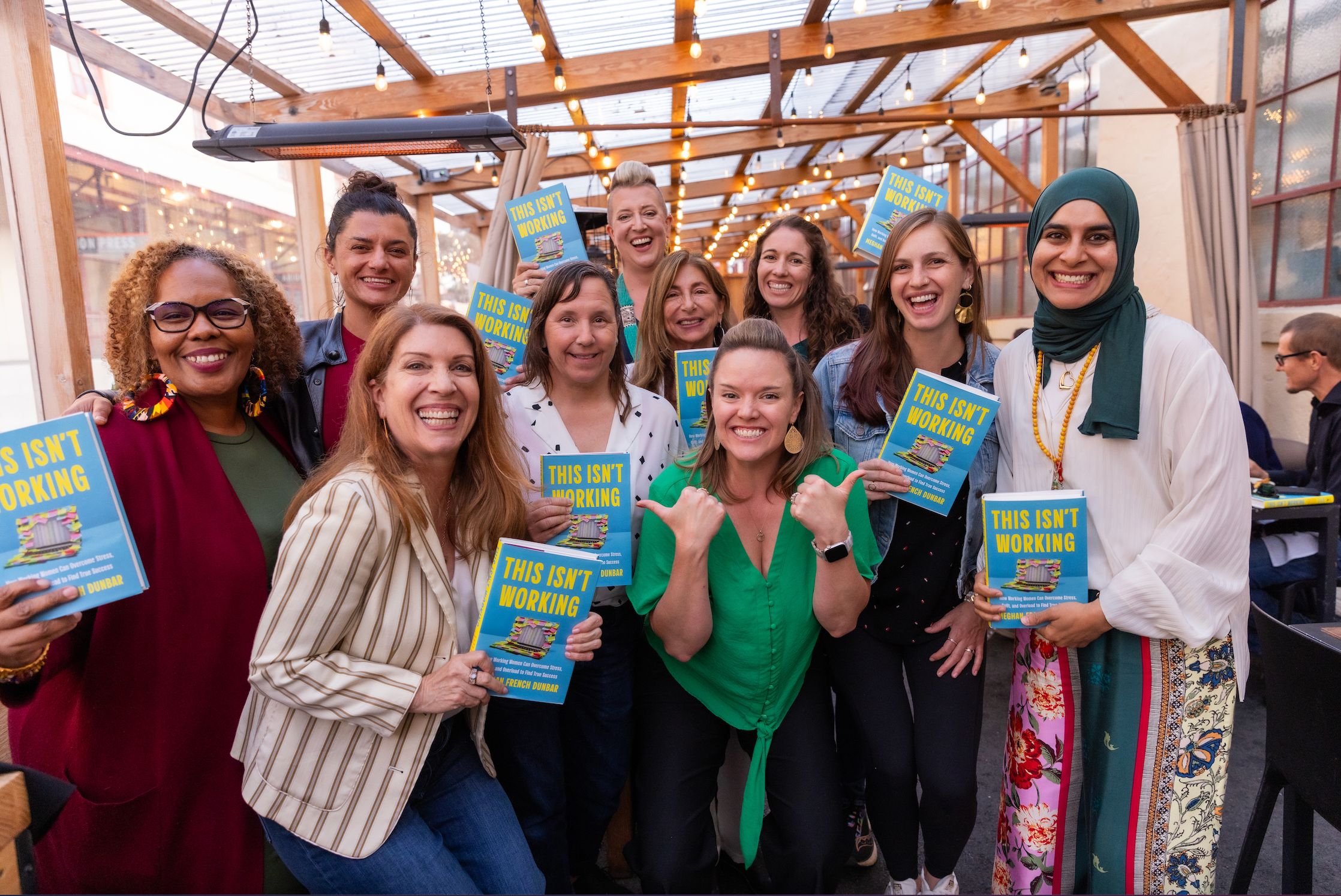
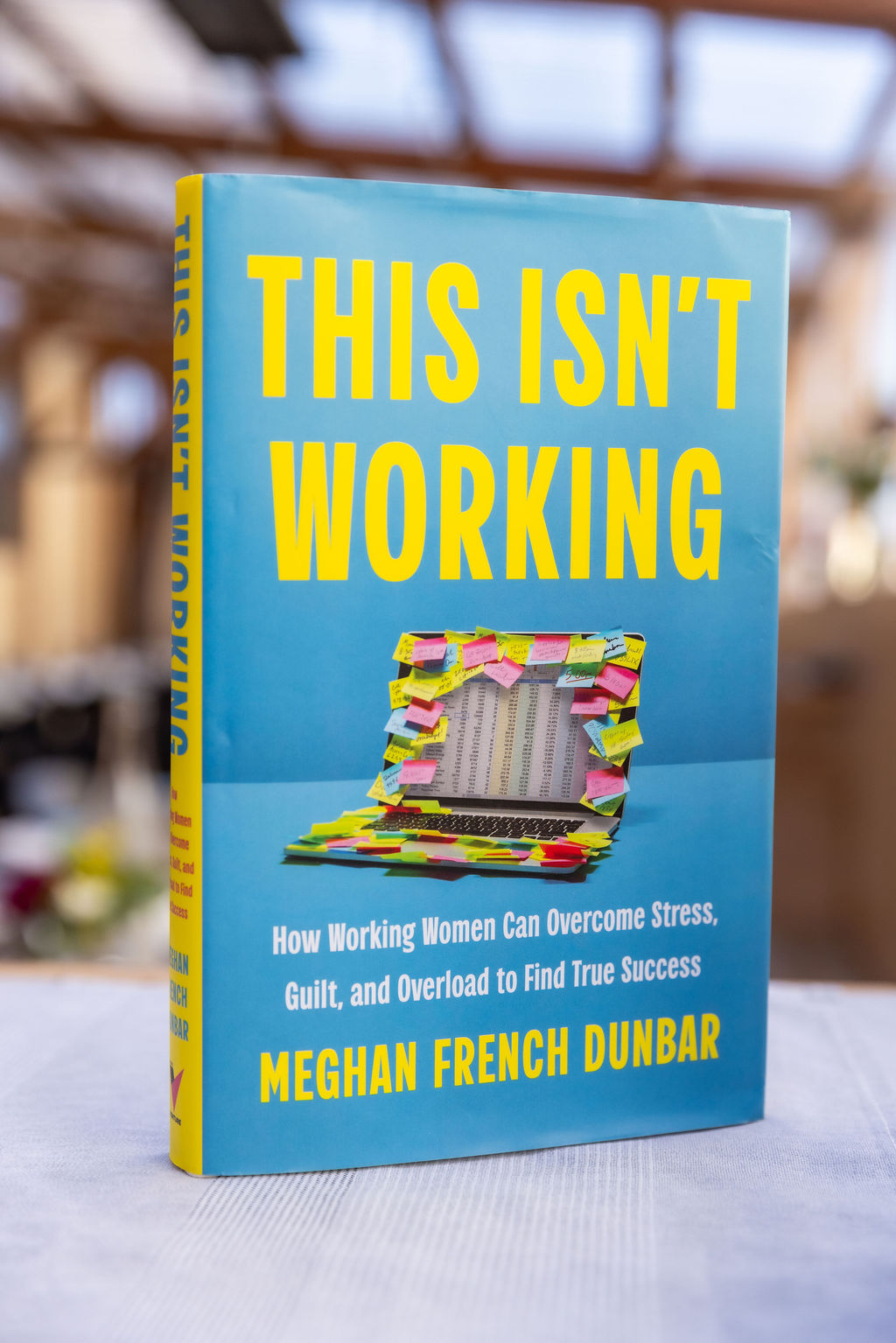
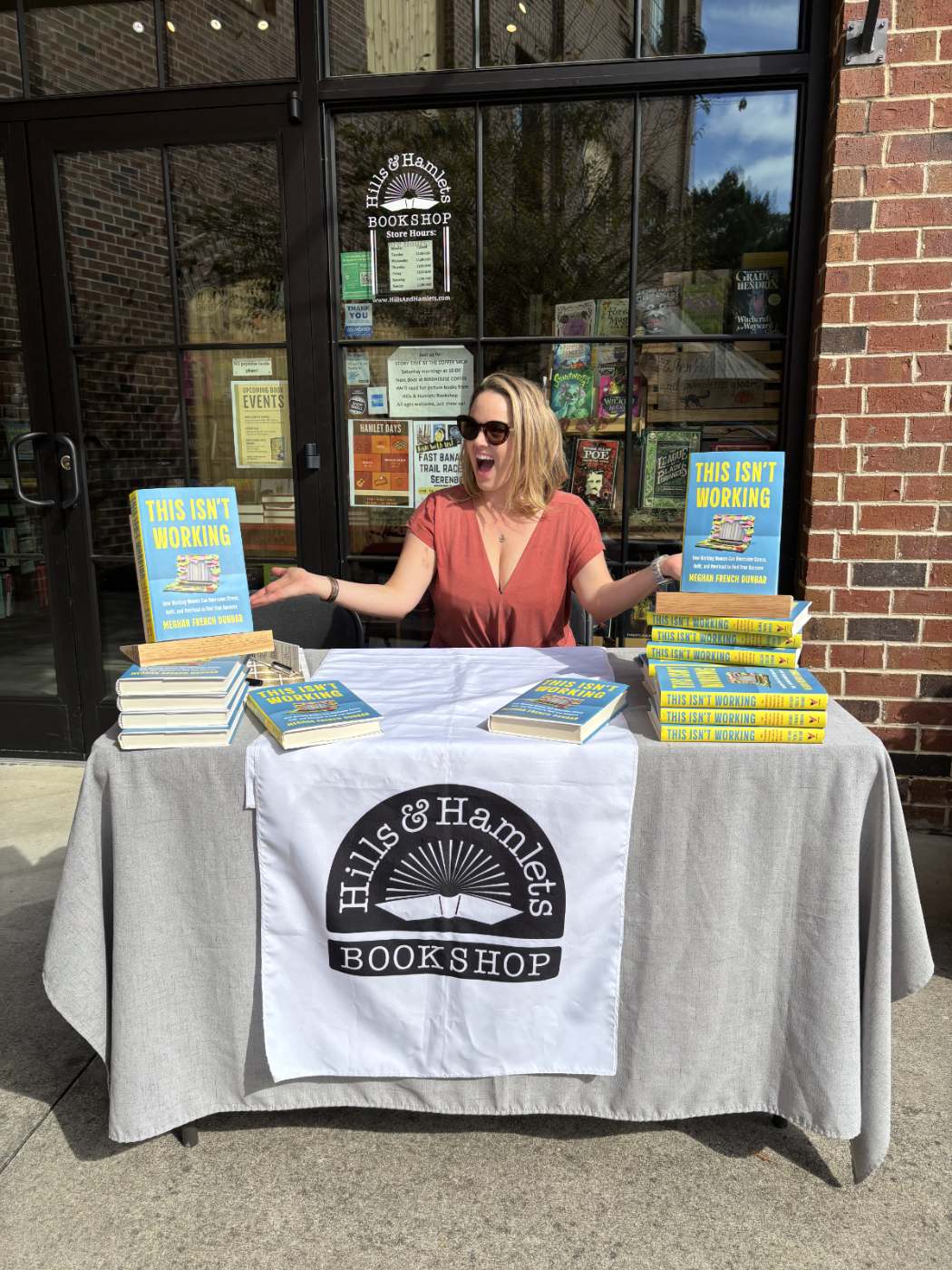
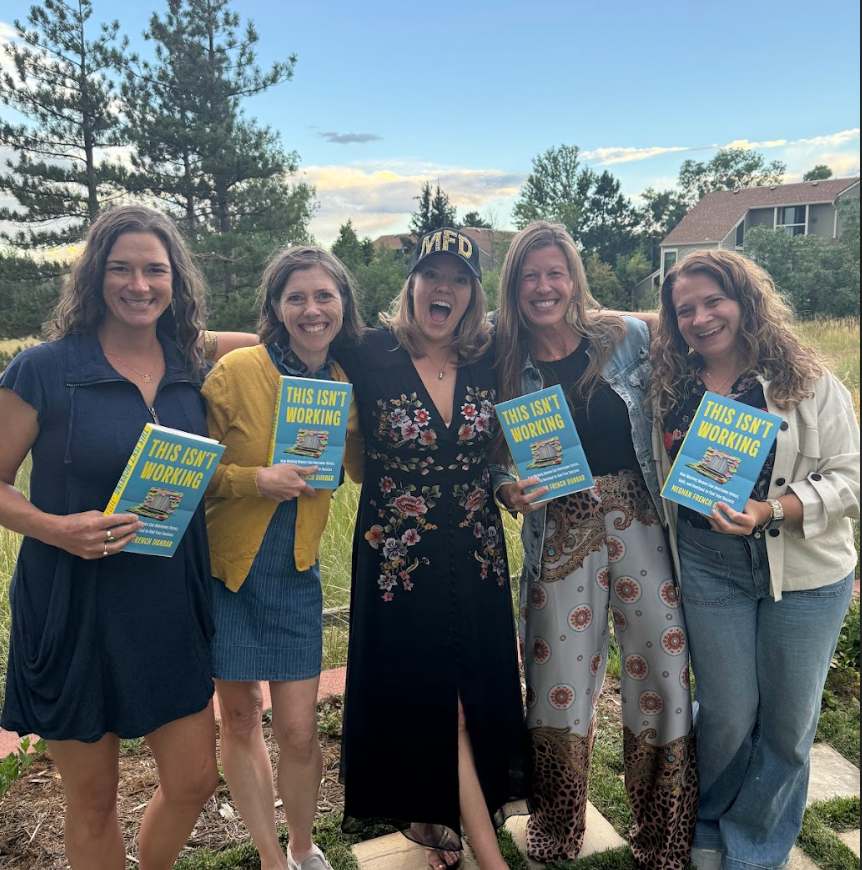
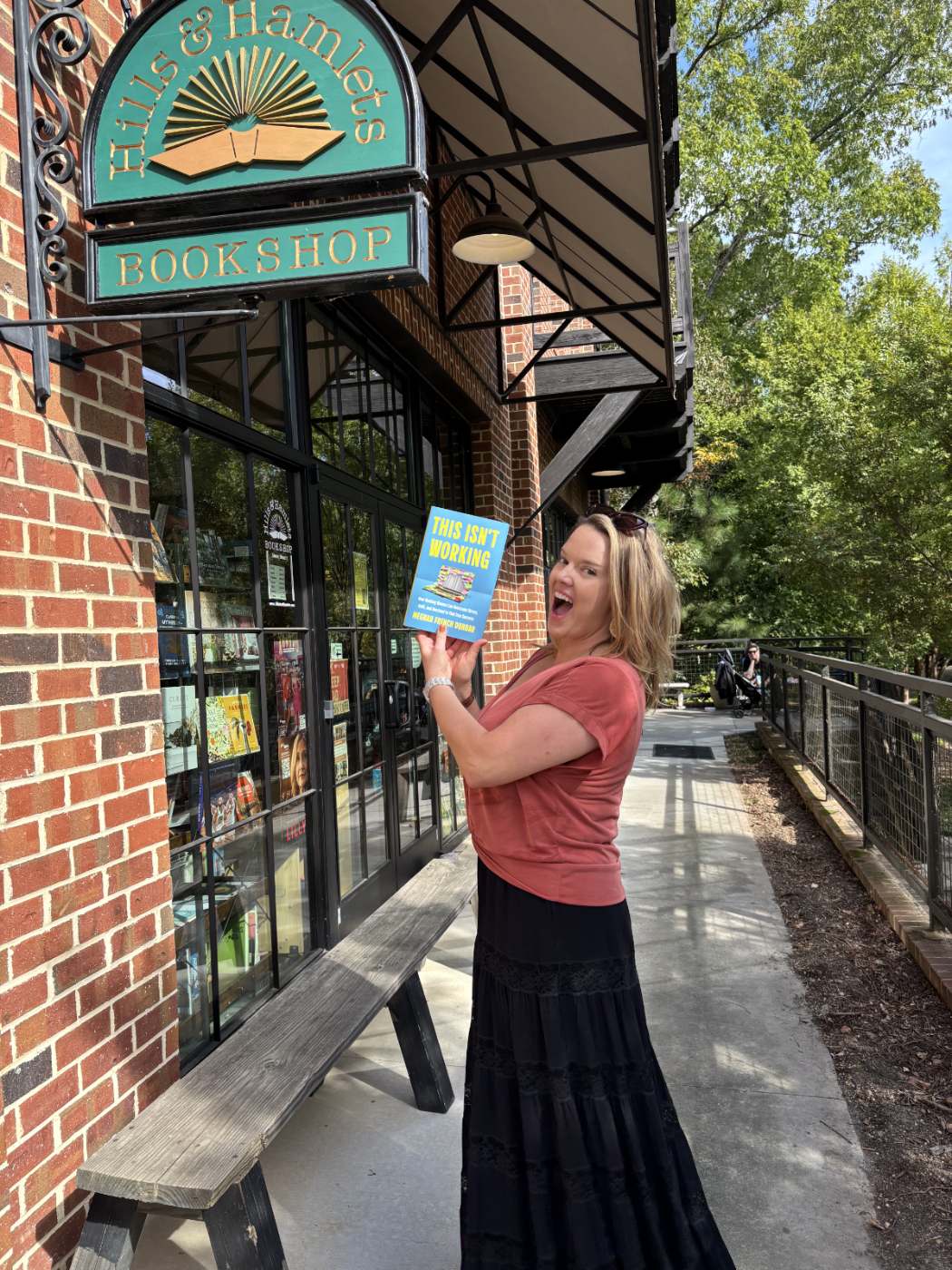
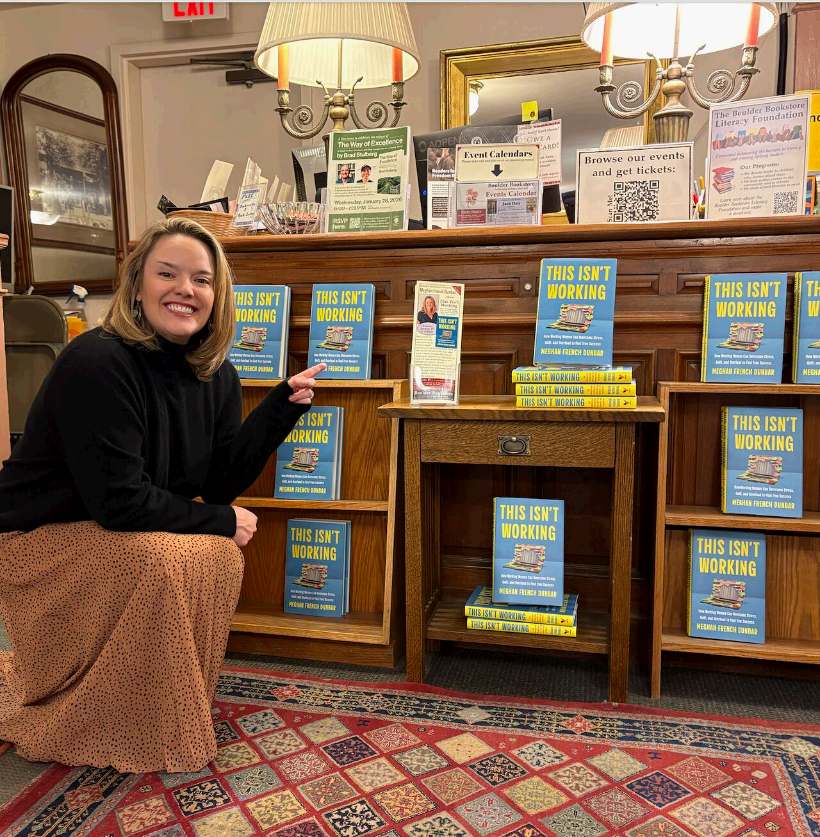
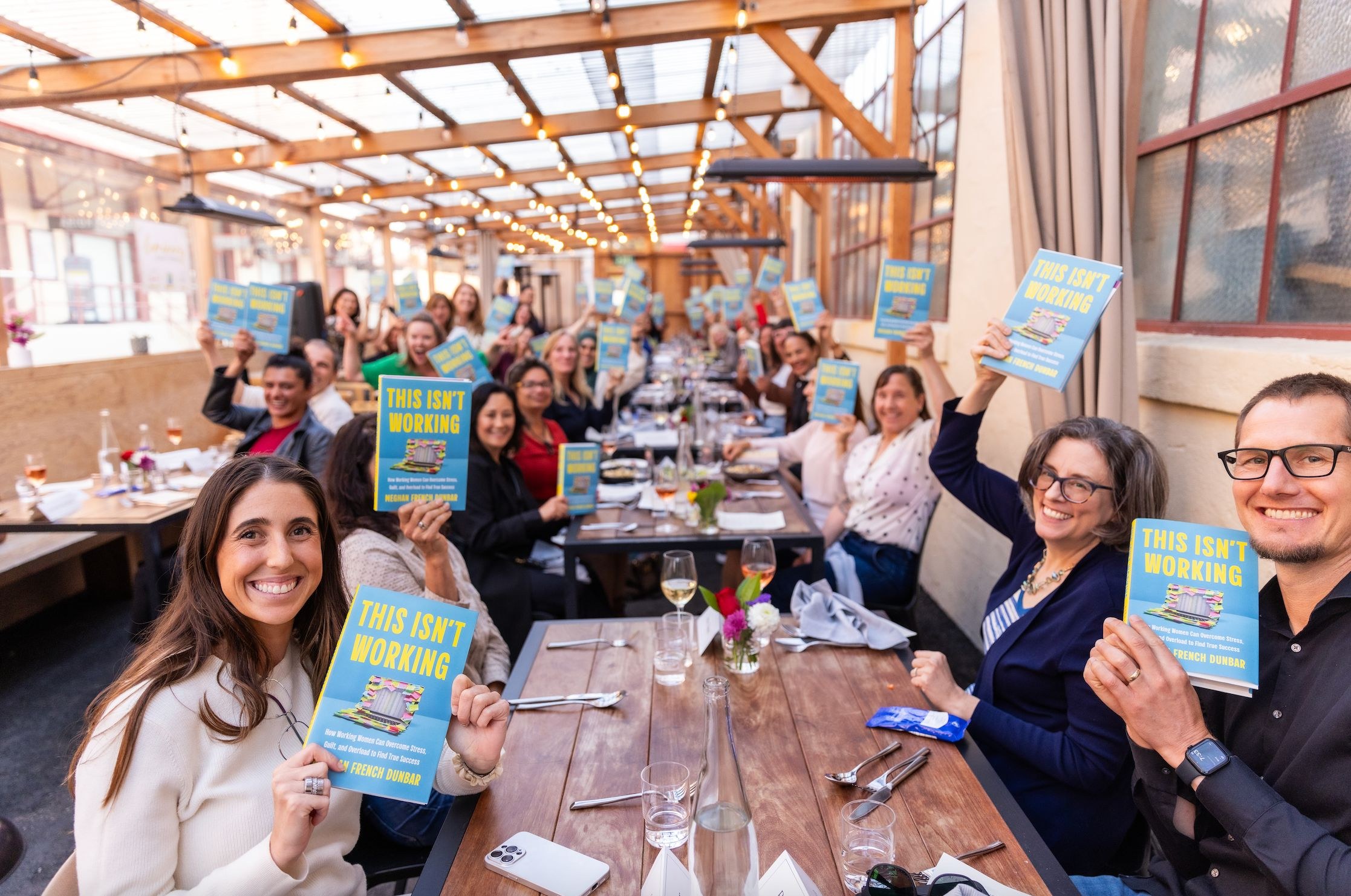
Meghan French Dunbar (45:29): My book is called This Isn't Working — and I have the prop. Everyone — I mean, I love you, and this is my podcast, so I talk about it all the time.
Francesca Donner: Why don't — can you just show the book so everyone can see? Okay, everyone — buy the book. And then get one for your friend.
Meghan French Dunbar (45:50): Oh, we're nailing this. In the book, I told my editor — I want to only interview women and fluid leaders. And my editor initially was like, "is there going to be enough of them?" And I was like — oh. I have nearly 100 in the book that I got to talk to. And I said no to a ton of people. There are so many stories to tell. Everyone go buy The Persistent now. Okay — we're gonna just be schlepping each other's products for the rest of the time. Keep listening.
If you were able to give women a permission slip to do something in a kind of unbehaved way — not behaving by the standards that we typically set for ourselves — what would be one permission you would give to people?
Francesca Donner (46:46): You sprung this question upon me. This is the permission — I already touched on it — but this is the permission I gave myself at the beginning of this year. Give yourself some grace. Give yourself some grace. Give others some grace. We are all doing our best. We're all muddling through.
Life is complicated. Families are complicated. The sandwich generation is complicated. Starting a business is complicated. Working is complicated. There are so many times when we go wrong, or say something that was foot-in-the-mouth, or make a mistake, or something that didn't work out the way we wanted it to, or we accidentally hurt someone's feelings, or someone accidentally hurt ours. In those moments — just say, "I'm going to give that person some grace. I'm going to give myself some grace. They were really super annoying, but you know what? They didn't mean to. I made a stupid mistake, but you know what? That's okay."
We hold ourselves to these impossibly high standards. We are really rough with ourselves when we make mistakes. Really rough. "How could you? What's wrong with you? Why are you so stupid? You shouldn't be doing this. You don't deserve it." It's incredible how many upsetting and insulting things we can say to ourselves instead of, "it's okay. It's okay."
Remember earlier in this podcast — you asked what's gone right, and I said, well, I won these two Webbys, isn't that cool? So cool. After I won them, lots of friends and people said, "my gosh, it's so exciting. Tell me all about it." And I said, well — it's great, we won these awards, that's so great. I thought about it and I thought — I have nothing to say about it other than how nice it is. Slap a smile on my face and moving on.
If we had not won these awards — if we'd been only a finalist, or hadn't been in consideration at all — do you know how much brain space I would have given to that? "We didn't measure up. We're not good enough. Those other people are so much better. How are we going to do it? I don't think we've got enough supporters. We couldn't make it on the people's vote. The judges thought we were lousy. What we're doing is no good. Maybe we should shut this up." I would have spent days and days thinking about all the things wrong.
And that is how the brain works. We think about all the things we did wrong. Everything bad. All the failures. All the disasters. Instead of just saying, "okay." So instead of beating ourselves up — the negative, negative, negative ticker tape going on in our heads — just say, "it's okay. Moving on. I give myself some grace."
Meghan French Dunbar (49:56): I love this. I'm actually realizing my cheeks are hurting right now because of how much I've been smiling for a full hour straight. You are so freaking lovely. How do humans find you? How do we support you?
Francesca Donner (50:17): Bless. Come find The Persistent — you can Google it, "The Persistent covering women for a change." You'll find our website. We have a variety of subscription offerings — if you'd like to try and taste The Persistent for free, that's okay. But if you'd like to pay for this fantastic work, I certainly won't complain. Once you subscribe, send it to your friends. Tell 10 or 20 or 50 of your friends. Share the stories. Talk about the stories. Put them on social media. Spread the word.
Meghan French Dunbar (51:04): Yay! Thank you, thank you, thank you. This is incredible. I'm so happy to have gotten an hour with you. Your story is exceptional.
Francesca Donner: It's so good.
UNBEHAVED LESSONS OF THE DAY
Meghan (51:17): All right, before we wrap up, let's do our Unbehaved lessons of the day.
Number one — your story matters. You've just been conditioned to believe it doesn't. That you're not interesting, that no one wants to hear from you, or that you should just amplify everyone else. Even Francesca — a former New York Times editor with two Webbys on her shelf — still hears "I'm so boring, nobody wants to hear from me" in her head. You're not alone in that voice. But it isn't right. Your story is interesting, and it's important. So start telling it.
Lesson number two — there's often opportunity in your frustration. Pay attention to what you wish were different. That gap might just be your next thing. Francesca launched The Persistent because she was furious that women's stories were being buried on page 50 of the paper. She didn't have a business background, but she dove in anyway. Two years later, she has an award-winning media company. You don't have to know everything to get started. You can figure things out as you go.
Lesson number three — clarity comes from taking action. You can focus-group a decision to death. You can plan the pros and the cons and think about all the things that could go wrong. But clarity comes from taking action. Francesca launched The Persistent before she'd figured out whether to be an LLC, or how to write a contract, or how to make people even pay for media. She figured it out by doing it. And the failed mug email — that gave her more clarity in like five minutes than five months of theorizing what would have worked. So if you've been thinking about the thing for a while, this is your permission slip to just get started. Just put one foot in front of the other and start doing things.
Lesson number four — until something's pointed out, we tend not to notice it. Things that are obvious to you might not be obvious to everyone else. Simply starting the conversation and planting the seed matters. Like Francesca did at the Wall Street Journal. Even if you don't see the fruit of your labor right away, it can impact others in unexpected ways — and it can also grow into something that shapes the rest of your career.
Lesson number five — give yourself some damn grace. The Persistent won two Webby Awards, people, and Francesca barely celebrated. But if they had lost, she said she would have spent days spiraling on everything that her team did wrong. That imbalance is how so many of us are wired. We give hours of brain space to what went wrong and blaming ourselves — and only seconds to what went right. So give yourself some grace. Give other people some grace. We're all doing our best. We're all muddling through — and that includes you, my friend.
And lesson number six — pay for good quality journalism. This one's on us, listeners. We need to start paying for good media. Put your money where your values are. If you want more stories like the ones Francesca is telling, we need to pay people for them.
That's all for today. Thanks so much for joining me. See you next time.
[End of transcript]