Is It Too Late to Change? How to Build a Career You Actually Love | Unbehaved
Are you stuck in a “should” career — one that looks good on paper but leaves you unfulfilled? Or maybe you’ve even settled for work that makes you miserable but feel like it’s too late to change?
Then this episode is for you — or to send to anyone who's ever said "it's too late to change what I do."
Meghan French Dunbar opens with the story of Allison Bailey Vercruysse who made it to the upper echelons of investment banking at a young age, and then walked away from all of it to start 18 Rabbits Granola. It's an extreme version of a story most high achievers face at some point: you climbed the ladder, you did the "should" career, and now you're stuck at the top of a wall you don't want to be standing on.
In this episode, Meghan lays out three concrete practices for building a career you actually love — whether you're going to leap like Allison did, or dial the practices up inside the work you're already doing. Featuring one of the most-shared clips in the season: her coaching conversation with a former CEO friend who told her the next step was a bigger CEO role — and the question Meghan asked her that ended with, "I think I'd just try to be a consultant."
WHAT WE COVER
Allison Bailey Vercruysse's story: upper echelons of banking → walking away → building 18 Rabbits Granola from scratch
Paul Saginaw's viral-grade quote on why change is so hard: "People either hate change or they really fcking hate change."*
The three things that keep most people stuck in careers they don't love: fear of judgment, fear of change, and the linear-ladder story
Why the "you can't step off the ladder" narrative is the biggest trap in modern careers
The reality that the practices in this episode can be applied WHILE you're still in your current role — you don't have to quit tomorrow
Practice 1: Follow your passion — not your should
Jane Wurwand of Dermalogica on getting paid to do what you love
Meghan's own story: choosing the tiny Presidio Graduate School over a Top 10 MBA — and why it was the best decision of her career
Practice 2: Tap into purpose and meaning
Gayle Jennings-O'Byrne's story: the wake-up call that made her leave a great corporate job to build the organization she was actually meant to build
The research on purpose: increased happiness, greater life longevity, better sleep, better mental and physical health, decreased stress, improved cognitive function
Practice 3: Prioritize quality of life over extrinsic validation
Harvard's five markers of human flourishing — and how three of them are about quality of life
The CEO friend coaching moment: "Why do you need another CEO role at a bigger organization?" — and the answer that unlocked her actual next step
The top 5 deathbed regrets from Bronnie Ware — and why you don't have to wait until you're dying to change what you're optimizing for
PULL QUOTES
"When it comes to change, people either hate change — or they really f*cking hate change." — Paul Saginaw, co-founder of Zingerman's Deli
"But my ego was like, I have to go top 10. My heart, my passion, what actually lit me up was Presidio. And I actually, for one of the first times in my life, listened to my passion."
"70% of workers now tie their purpose in life to their work. So if you don't have much purpose beyond your salary or title or revenue goals, it can start to feel really shallow."
"When we look at the top five regrets of dying: I wish I hadn't worked so hard. I wish I'd had the courage to be and do what I actually wanted to do. I wish I'd kept in touch with my friends. I wish I'd had more time with the people that I loved. You do not have to wait until you are on your deathbed in order to make those decisions You can make them now."
"Dialing those three little dials up as much as possible — passion, purpose, quality of life — not only helps you build a career that you love but it helps you build an entire life that you love."
CHAPTERS
00:58 — Welcome + today's topic: is it possible to build a career you actually love?
02:00 — Allison Bailey Vercruysse's story: banking → walking away → 18 Rabbits Granola
05:00 — The three things that keep most people stuck: judgment, fear of change, the linear-ladder trap
05:30 — Paul Saginaw on change: "People either hate change or they really fcking hate change."*
07:00 — Why the practices in this episode work at any stage — you don't have to quit tomorrow
08:00 — Practice 1: Follow your passion, not your should
09:30 — Jane Wurwand of Dermalogica on getting paid to do what you love
11:00 — Meghan's Presidio Graduate School story: choosing the tiny sustainability MBA over a Top 10
14:00 — On non-linear careers as the norm, not the exception
15:00 — Practice 2: Tap into purpose and meaning
16:00 — Gayle Jennings-O'Byrne's story — the wake-up call that made her leave a great job
18:00 — The research on purpose: happiness, longevity, sleep, cognitive function, stress
20:00 — How to tap into purpose in your current role without quitting
21:30 — Practice 3: Prioritize quality of life over extrinsic validation
22:30 — Harvard's five markers of flourishing revisited
24:00 — The CEO friend coaching moment
27:00 — The top 5 deathbed regrets — and why you don't have to wait
29:00 — The three dials: passion, purpose, quality of life
30:30 — Sign-off
RESOURCES MENTIONED
People + companies referenced:
Allison Bailey Vercruysse — founder + former CEO of 18 Rabbits Granola; former investment banker
Paul Saginaw — co-founder of Zingerman's Deli
Jane Wurwand — co-founder of Dermalogica Skincare
Gayle Jennings-O'Byrne — founder of the organization she's building around her purpose; former corporate role
Presidio Graduate School — Meghan's MBA program in sustainable management
Environmental Defense Fund — Meghan's role there before graduate school
Books + frameworks referenced:
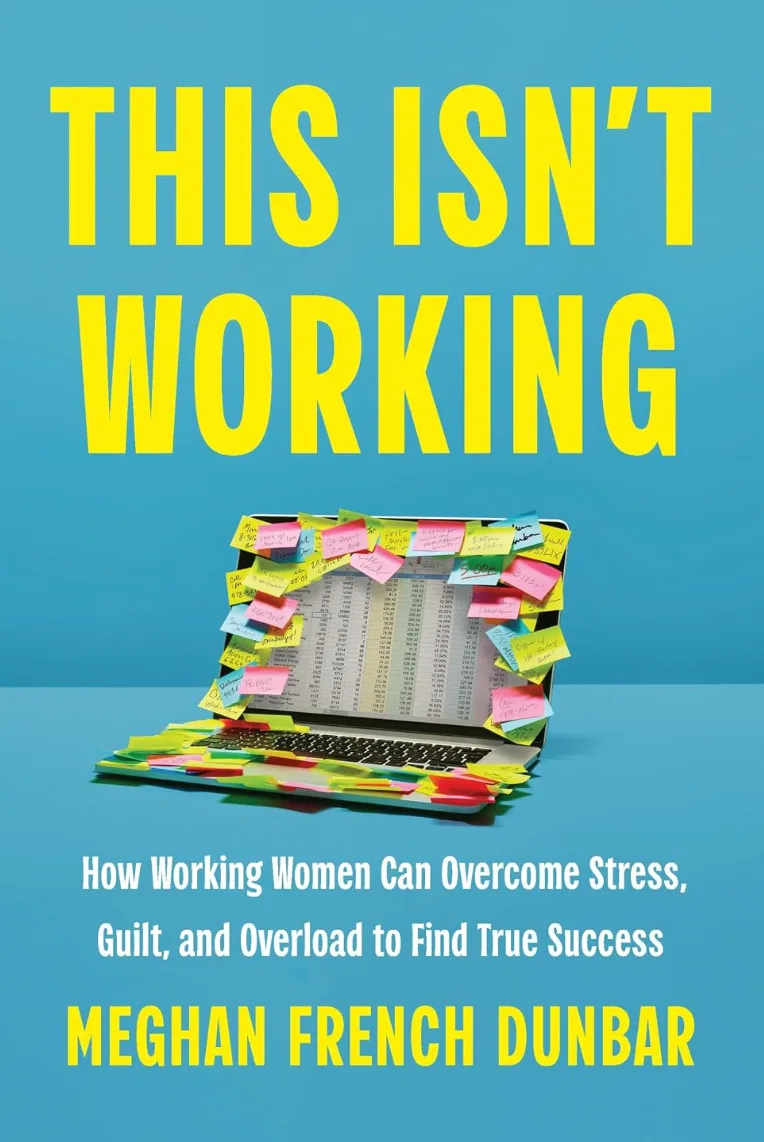
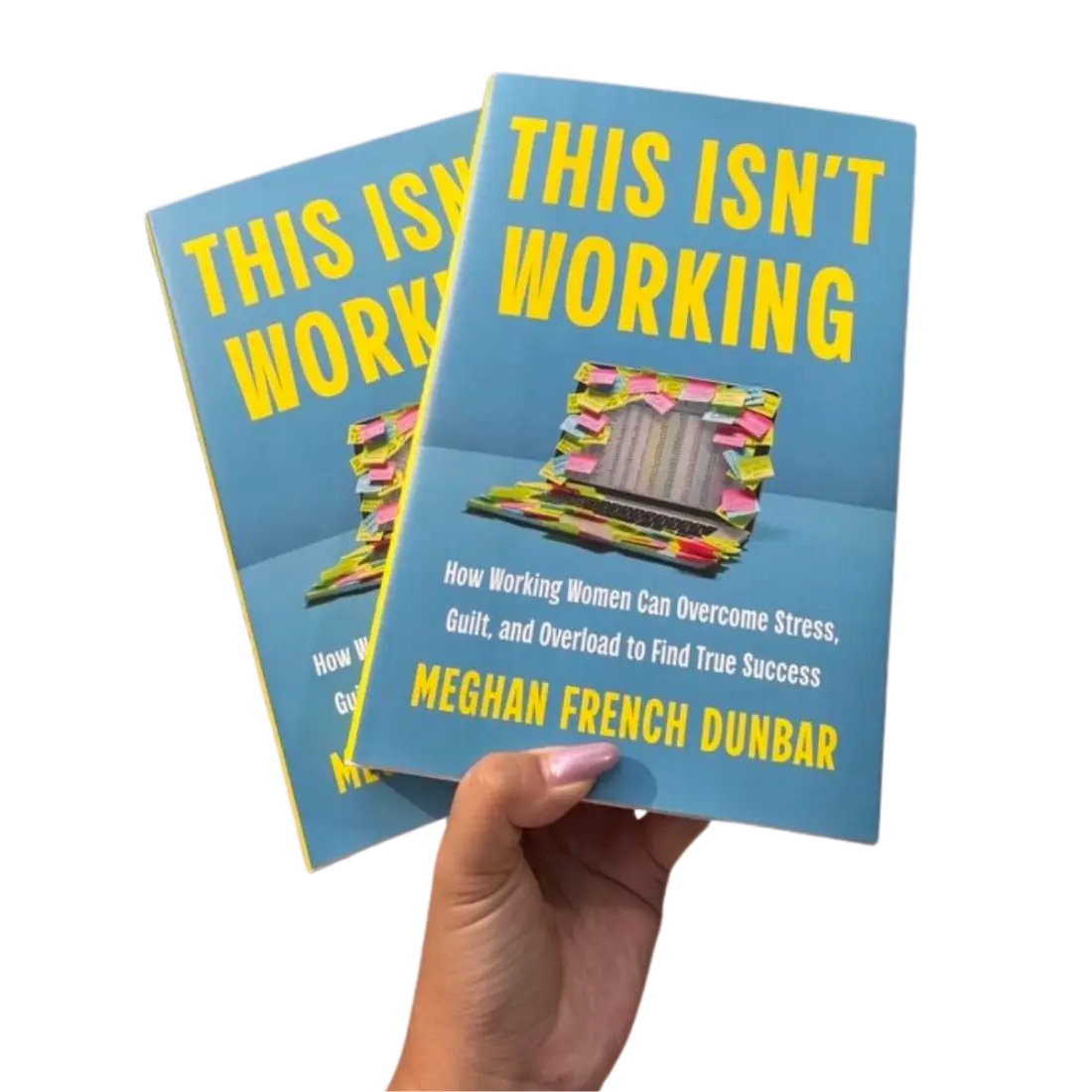
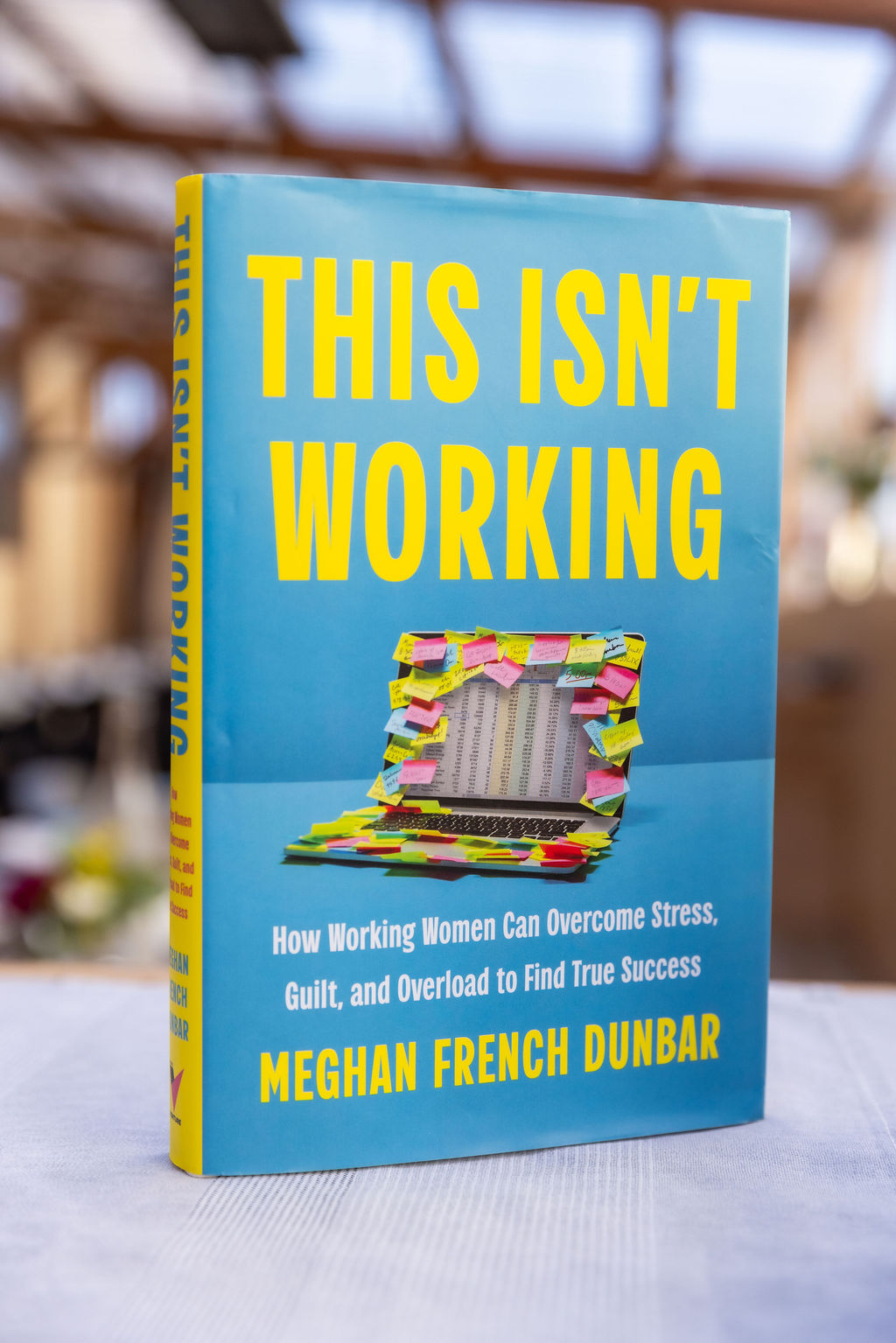
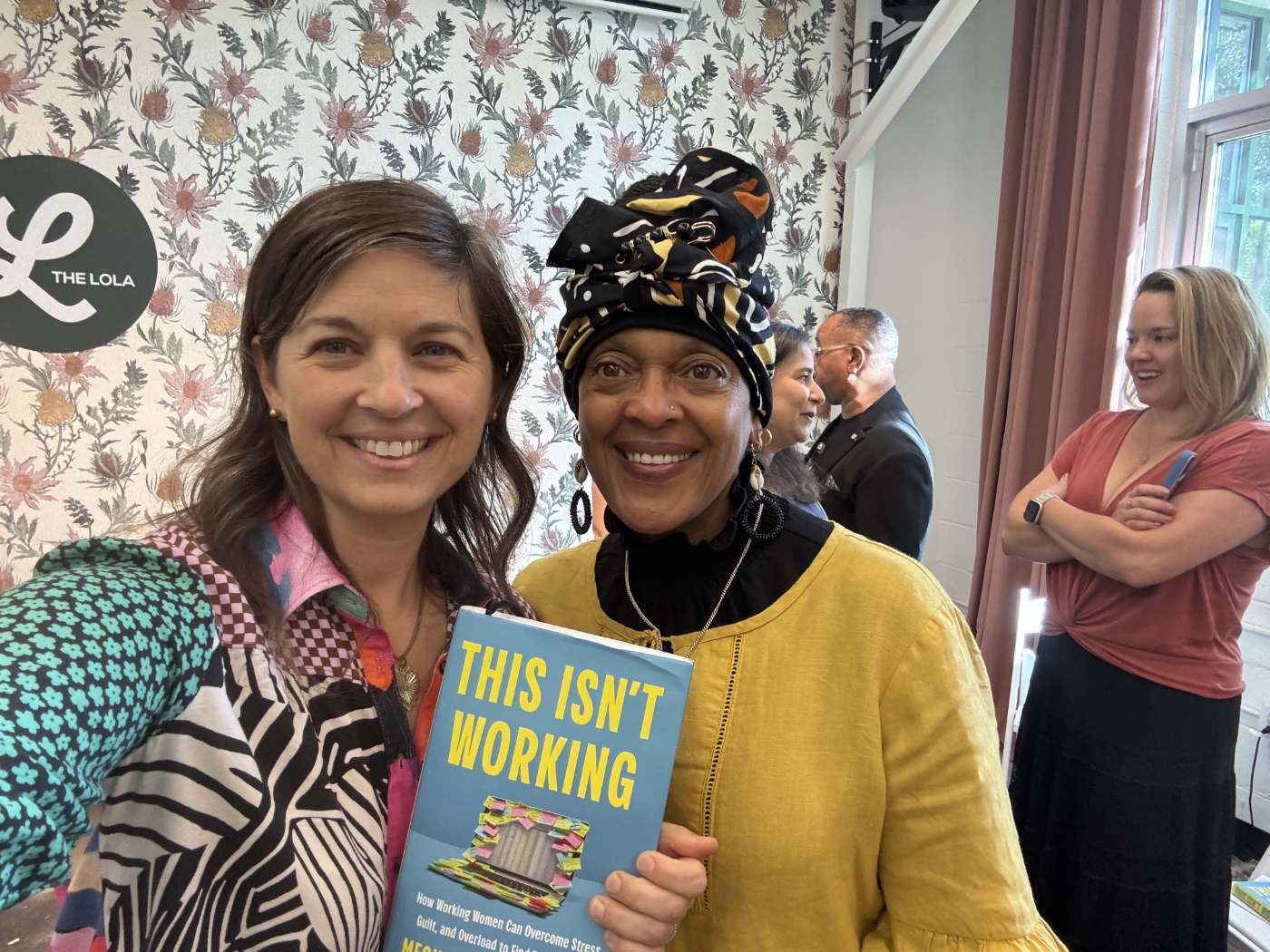
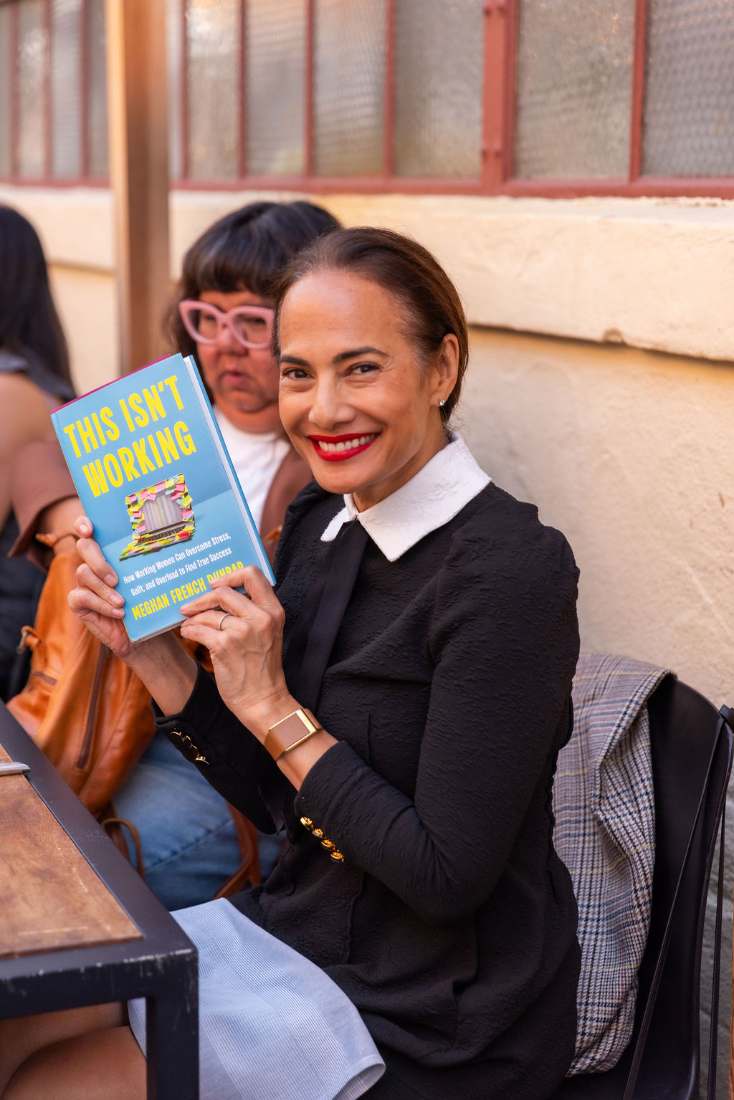
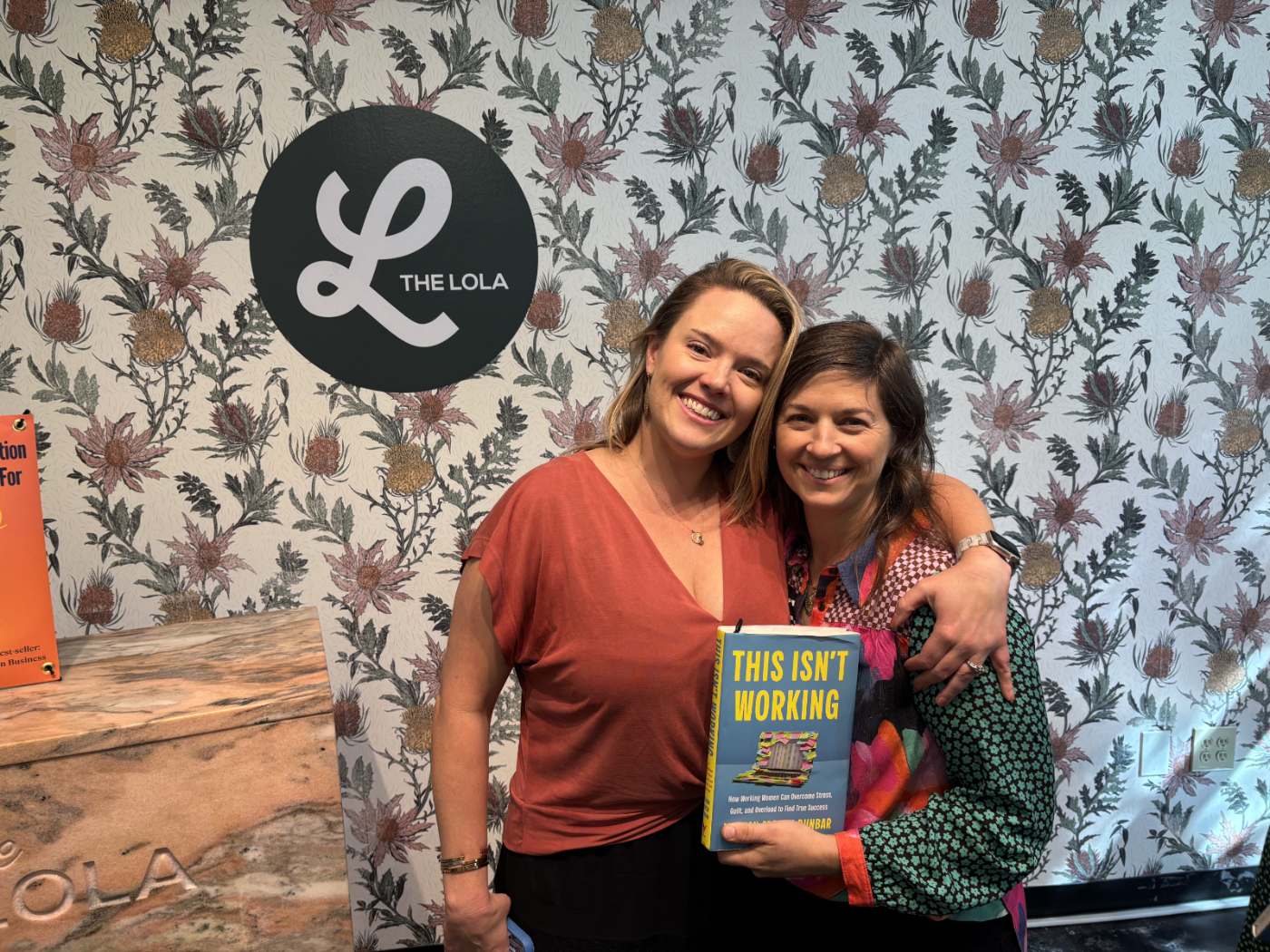
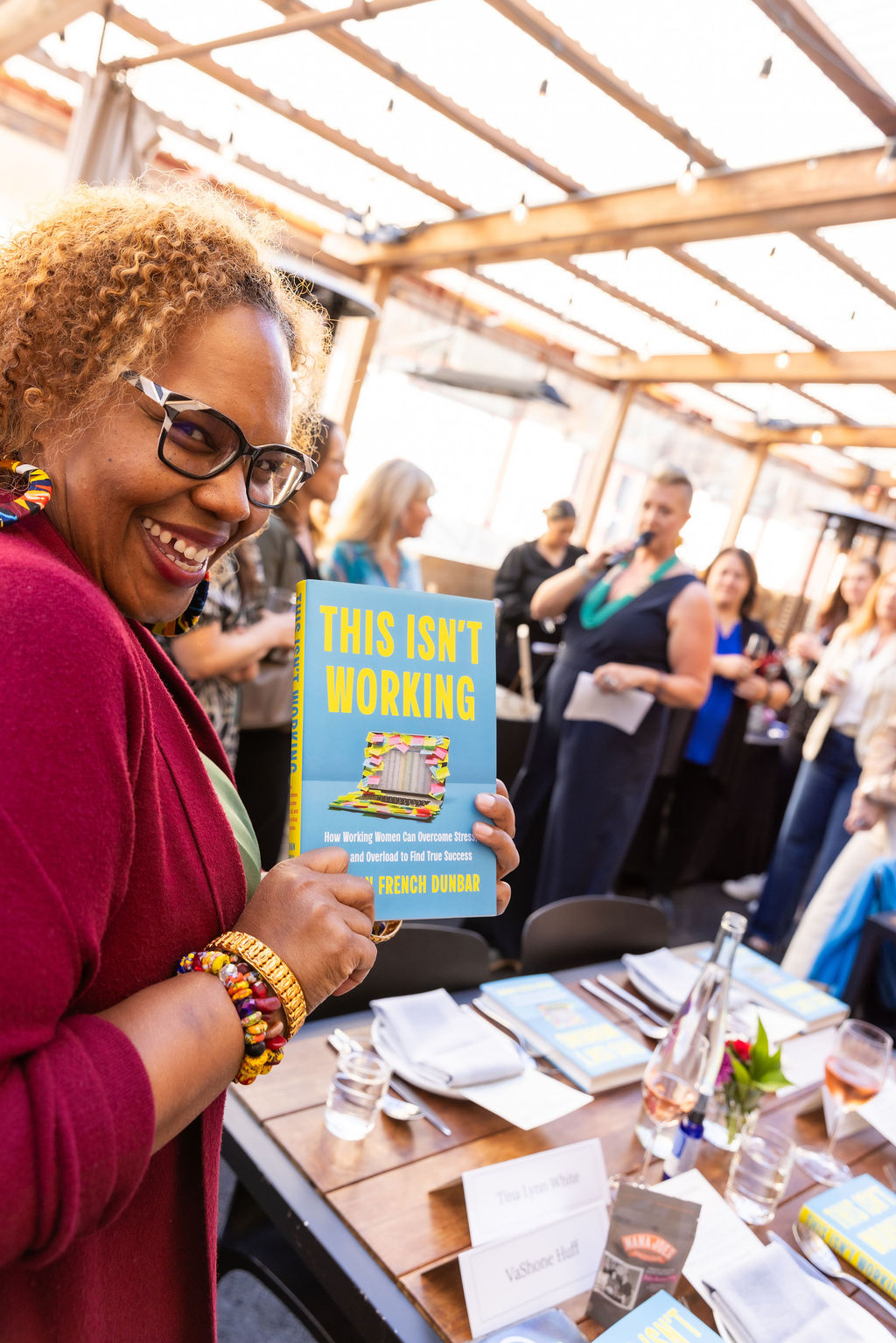
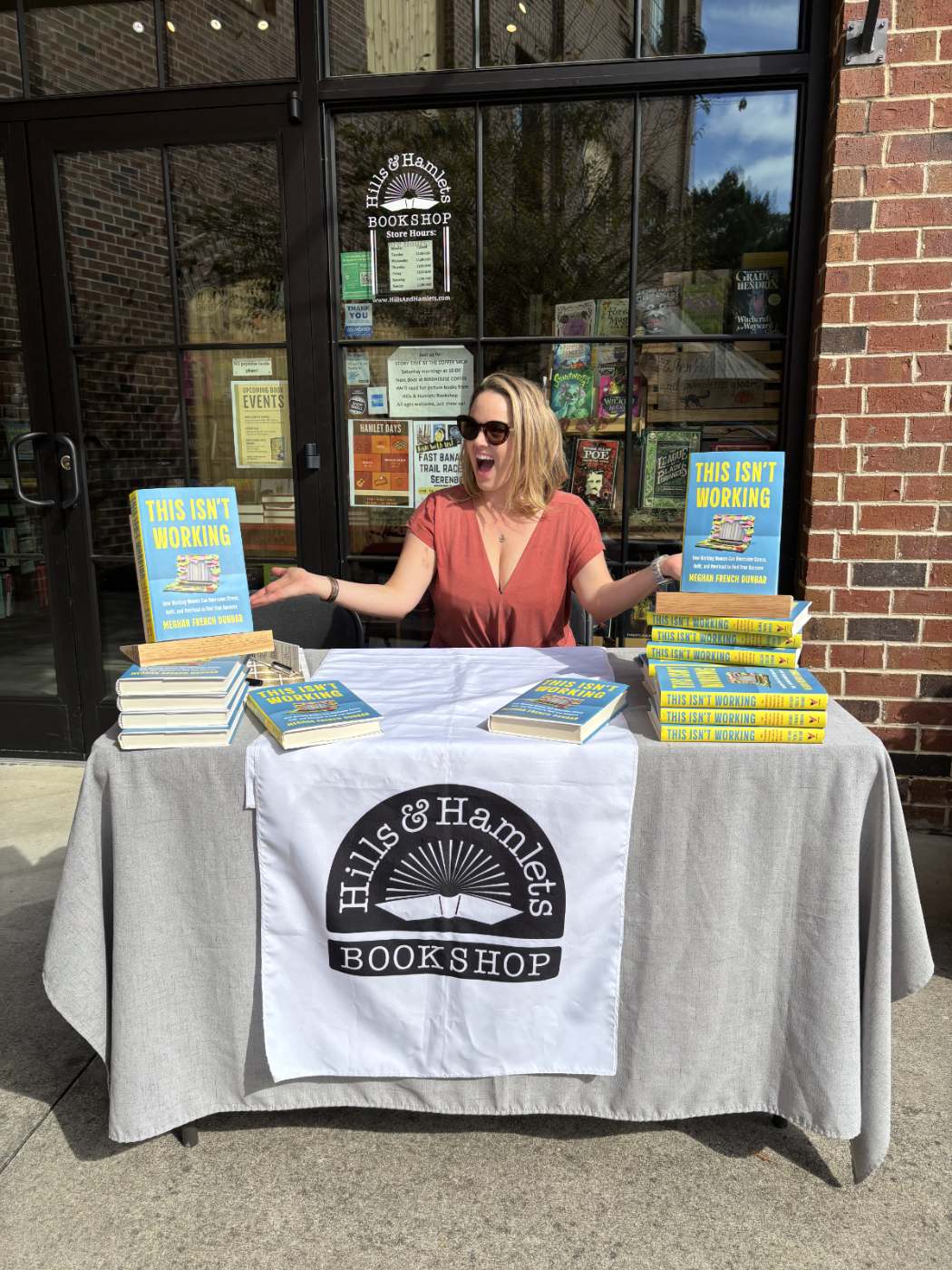
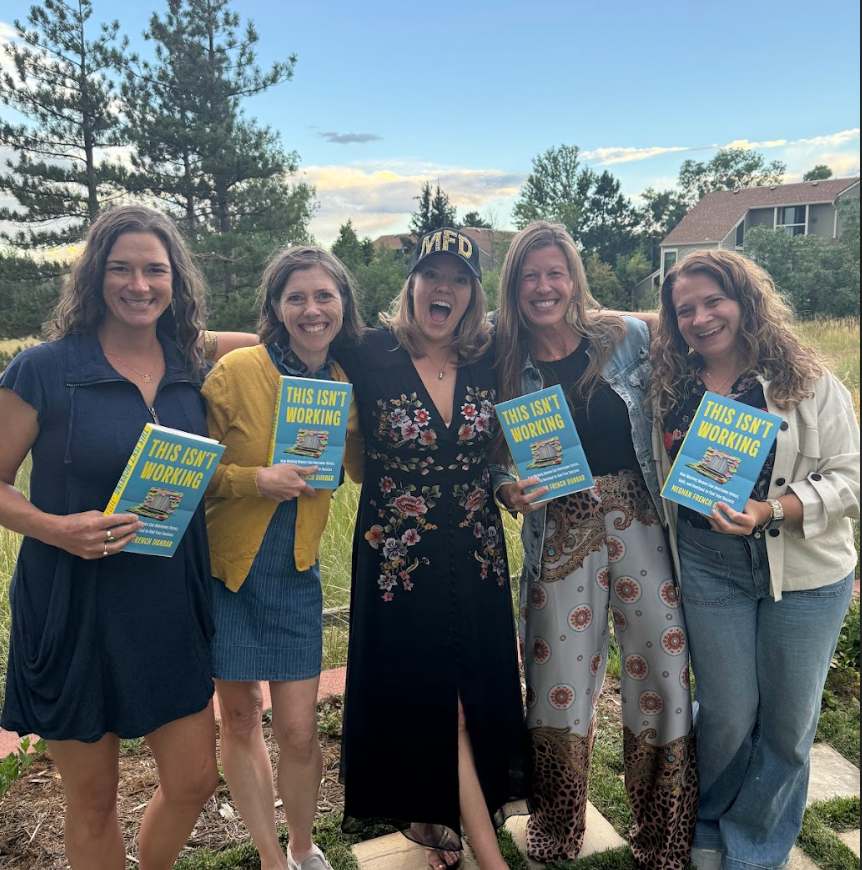
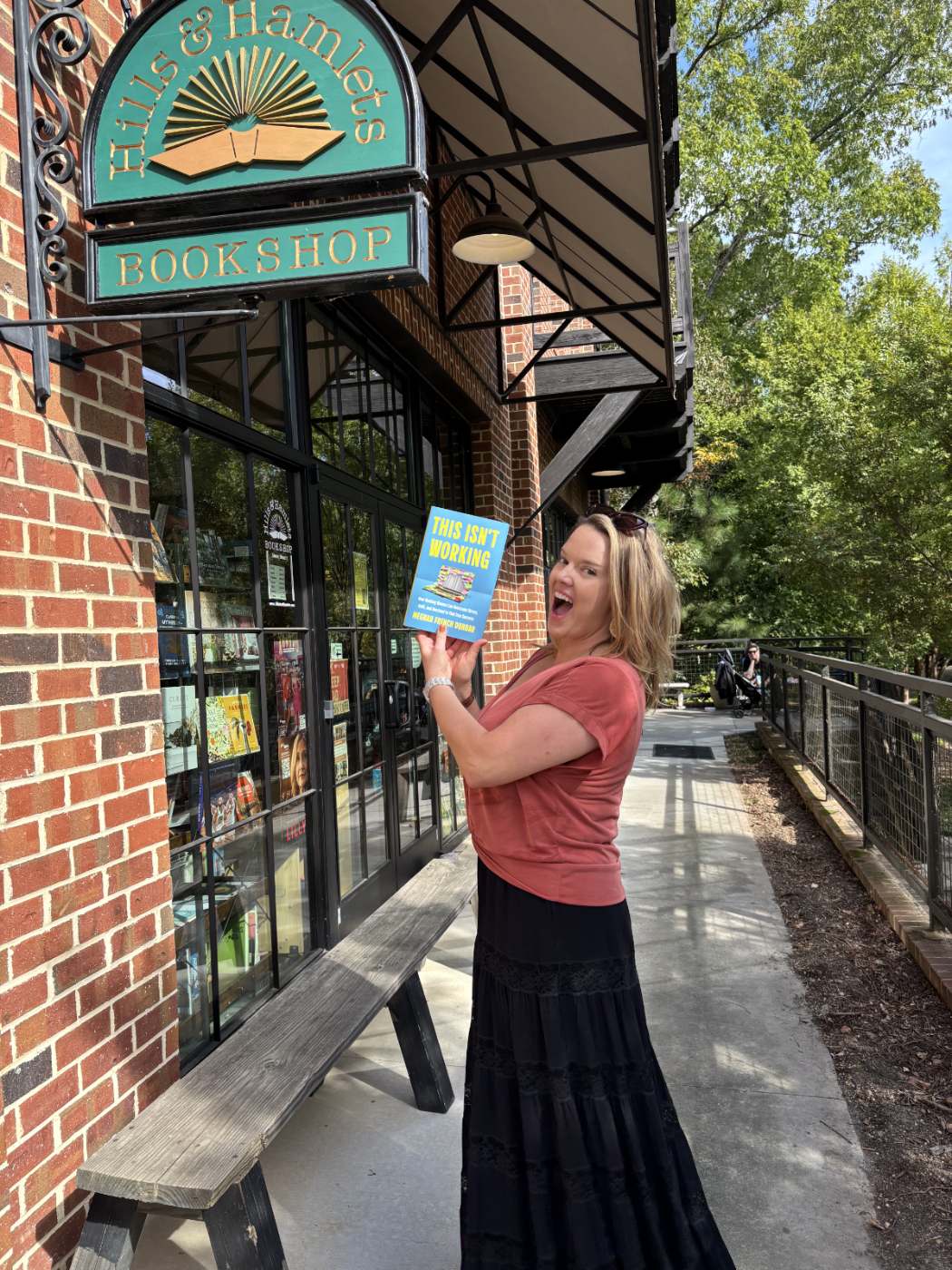
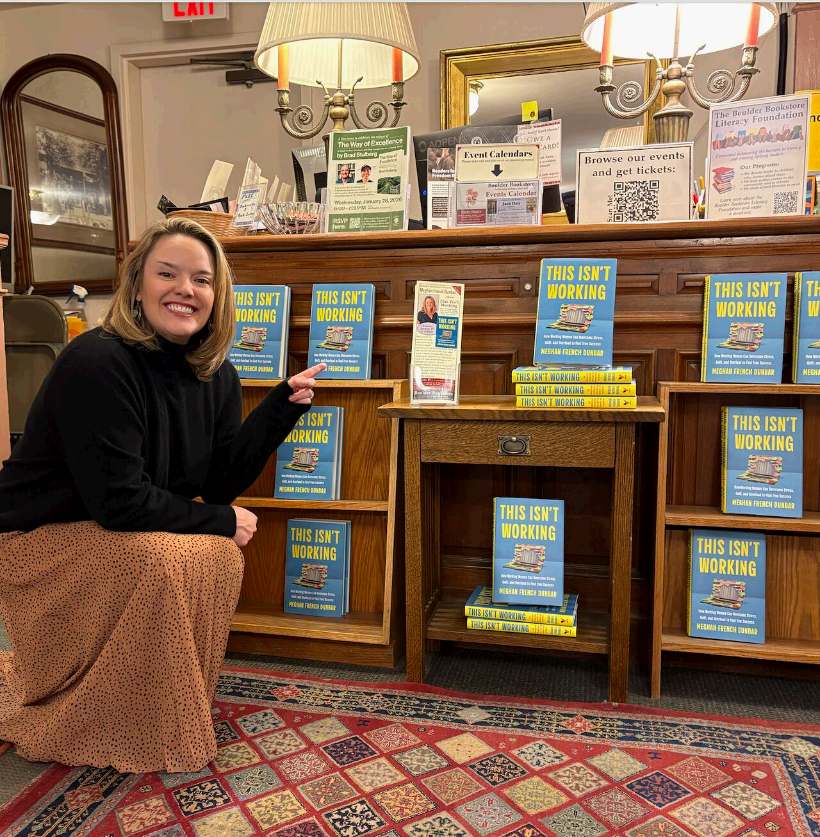
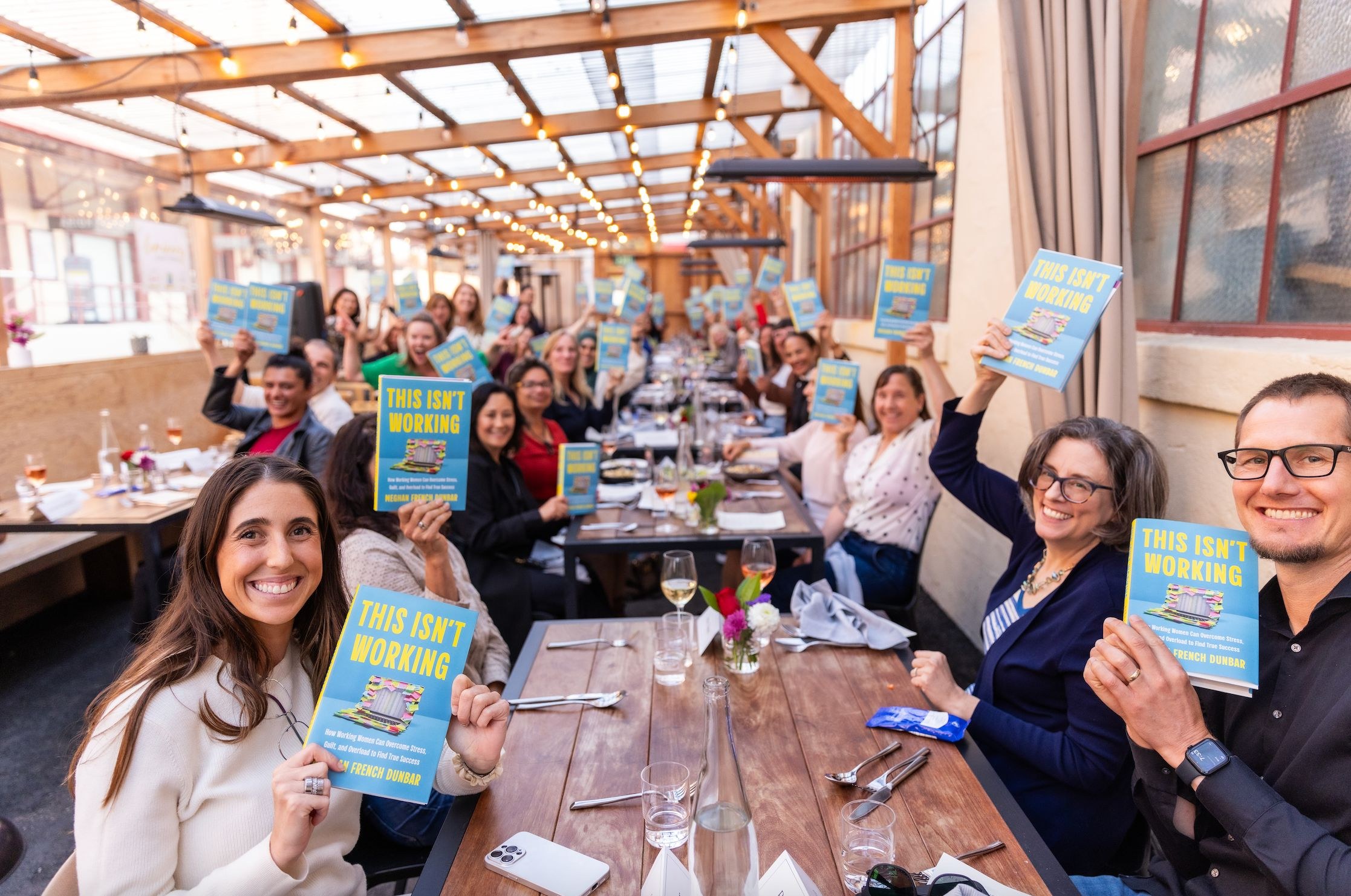
This Isn't Working by Meghan French Dunbar (Hachette, 2025)
Bronnie Ware's top 5 regrets of the dying:
I wish I hadn't worked so hard
I wish I'd had the courage to be and do what I actually wanted
I wish I'd kept in touch with my friends
I wish I'd had more time with the people I loved
(implied 5th regret from Ware's research)
Harvard's Human Flourishing Program — 5 markers revisited from Episode 3 Daniel Pink's three intrinsic motivators (revisited from Ep 3)
CONNECT WITH MEGHAN
Book: This Isn't Working — available wherever you buy books
Website: meghanfrenchdunbar.com
Substack: meghanfrenchdunbar.substack.com
FULL TRANSCRIPT
[Editor's note: Lightly cleaned for readability. Preserves original voice + delivery.]
Meghan French Dunbar (00:58): Hello, wonderful human. Welcome to Better Than This.
Today we're going to talk about one of my very favorite topics: building a career you actually love.
Is it possible to do work that you absolutely enjoy — that brings you to life, that sparks that fire inside of you, that pays you well, AND allows you to actually enjoy your life?
Yes. I propose that it is. I've seen people do it. I've built a career myself that follows along these lines. And there are practices that can help anyone on their journey to build a career they love.
We're going to start today with a story — not my own for once. This is from Allison Bailey Vercruysse — founder and former CEO of 18 Rabbits Granola. Creator, wonderful human. This is her story of her career unfolding.
[Allison shares her story of leaving the upper echelons of investment banking at a young age to build 18 Rabbits Granola from scratch — walking away from a prestigious career her parents were proud of.]
Maybe like Allison, you've found yourself in one of these "should" careers. Stable. What you've been told you're supposed to do. Practical. Pays well enough. Because you know — we're not supposed to LOVE our work, right? That's the story we've been told. Maybe it's parental pressure, financial pressure, societal pressure — whatever it is, you've found yourself in a role you're not particularly happy in. Either it doesn't fully light you up, or it's actively making you miserable.
What I've seen from so many people: they get stuck. You've climbed the ladder. You've put in the time. And the idea of changing it is "it's too late at this point." You give yourself excuses about why you can't leave the role, the career, or the industry to start over.
That's what blew me away about Allison's story. She had made it — at a young age — to the upper echelons of banking. Prestigious. Fancy. And she walked away and started from scratch.
Yes, that's an extreme example. I started with it for a reason. Her story illustrates so much of the societal narrative that keeps us trapped in things we don't love.
Judgment. Allison had parental expectations from her father — worry about disappointing him, letting him down. Worry about what her boss would think. So much concern about what other people would think of her career decision.
Fear of change. One of the first interviews I did for the magazine back in 2015 was with Paul Saginaw — co-founder of Zingerman's Deli in Michigan. He said something I have never forgotten:
"When it comes to change, people either hate change — or they really f*cking hate change."
It's stuck with me my entire career. Whether it's changing a workplace policy or leaving your career to take a leap — it's really hard for people, especially as we get older.
The linear-path story. The idea that a career is entry level → associate → mid-level → manager → all the way up. And that you have to stay on the linear path at the same level or above at every step. This keeps so many people trapped. You make it to VP. You don't like what you're doing. But to do something new, you feel like you have to start over at the bottom. So you convince yourself you can't step off the ladder.
These stories keep us stuck in roles we don't like. And when you think about your work — for most of us, it's where we spend the majority of our waking hours as adults. It's a primary source of stress. It's also a primary source of purpose and joy. It impacts your life in untold ways. It's one of the most important decisions you'll ever make.
I'll also acknowledge: sometimes there are financial situations where you can't just quit and change your work. Fortunately, all three practices we're going to talk about today can be incorporated INTO the work you're already doing. You don't have to stand up and quit tomorrow. It's possible to slowly turn the dial up on these practices in your current role and see if it can ever get to a point where it feels good enough.
You can also follow in Allison's footsteps and completely change what you're doing.
There's a broad spectrum here.
Meghan French Dunbar (~08:00): Practice 1: Follow your passion — not your should.
Follow what you love. That spark that lights you up. See what would happen or what the possibilities would be when you think about something you really, really love to do. Is there any way you could get paid to do it? Fantastic exercise.
[Jane Wurwand of Dermalogica speaks about getting paid to do what you love and the beauty of building a career around passion.]
You can also follow your passion in terms of what your next best step is. Following your passion instead of your should. Here's my story.
I was working at the Environmental Defense Fund and had fallen in love with their corporate partnerships program. EDF worked with McDonald's, KKR, Walmart — helping them become more sustainable. I fell in love with the marriage of business and sustainability. How do we incentivize businesses to act responsibly?
I wanted to study this in graduate school. My little high-achiever brain said: "Must attend top 10 MBA program." So I was looking at Harvard, Oxford, Booth, Berkeley, all the things.
At the same time — I found this teeny tiny niche program in San Francisco called Presidio Graduate School. At the time, it was the only MBA program in the country where I could study an entirely holistic, sustainable MBA. All of my sustainability heroes had either founded or were teaching at this tiny school. But nobody had ever heard of it.
My other option: get into a Top 10 MBA and also do a master's in environmental policy on the side — the popular path at the time. Extra year. I'd have to make the connections between environmental studies and my MBA on my own.
Whereas at Presidio, every single class was already taught through the lens of sustainability. Exactly what I wanted.
But my ego was like: "I have to go Top 10."
My heart, my passion, what actually lit me up — was Presidio.
And for one of the first times in my life, I listened to my passion.
I went to that teeny tiny little school and I loved it. Fantastic education. Met peers who were total business wonks like me but who really cared about sustainability. They're now leading sustainability at some of the biggest companies in the world. It was the best choice I could have made for myself.
I offer this story and Jane's approach as ways to move through societal judgment. What would your next best step be if you were letting what you LOVE lead the way — instead of external voices?
I grew up thinking there was an exact right script for how my career would unfold. My career has unfolded in the strangest possible ways I ever could have imagined. Not linear at all. It was a gorgeous progression of me following my passion and being brave enough to leave roles when the passion faded or the workplace became toxic. Each of those steps became a stepping stone that got me somewhere I never would have imagined — but it was the right place for me.
When you're thinking about your next step: what would it look like to follow what inspires you?
Meghan French Dunbar (~15:00): Practice 2: Tap into purpose and meaning.
70% of workers now tie their purpose in life to their work. So if you don't have much purpose beyond your salary or title or revenue goals, it can start to feel really shallow. It's a lot of the reason people can be at the highest echelons of their career and still feel like something is missing.
[Gayle Jennings-O'Byrne shares her story — the significant wake-up call that made her leave a corporate role she'd worked hard to get to. It was a good job. But it wasn't what brought her genuine meaning. She left. Took the leap. Started her own organization. And now lives her purpose every day.]
The research is clear. When people have a deep and profound sense of purpose:
Increased sense of happiness
Greater life longevity
Better sleep
Better mental and physical health
Decreased stress
Improved cognitive function
Purpose is one of our three primary intrinsic motivators.
You don't have to quit and go start the organization of your dreams (although — call me if you want to, because I will 100% talk you into it). You can also tap into purpose in your current role.
What problems and issues do you really, really care about?
How could you engage with them regularly — maybe outside of work?
Can you bring your work together with causes you care about?
Can you volunteer your time and talent to organizations already doing this work?
Whatever your professional expertise — could you bring it to a purpose-driven organization?
Working for a purpose-driven organization. Volunteering. Small acts weekly or monthly that bring more purpose into your life. That's also a way to tap into purpose without quitting tomorrow.
Meghan French Dunbar (~21:30): Practice 3: Prioritize quality of life over extrinsic validation.
Extrinsic validation: title, status, awards, salary. The external stuff that makes us feel successful but doesn't actually make us happy.
Quality of life — going back to Harvard's Human Flourishing Program — is about the other three markers besides purpose:
Mental and physical wellbeing
Deep social connections
Feeling aligned with your values and character
So many of us sacrifice time with the people we love, our mental health, our physical health — in order to make more money, get the next promotion, take on more responsibility, or have the fancy title. We sacrifice the things that actually make us happiest in the name of external validation.
Here's an example.
Last year I was talking to a friend of mine. She had just left her role as CEO of a pretty big-name organization. We were talking through why she left. So much of it came down to how stressed and overwhelmed she was:
"I was constantly on the road. I have three young kids and I felt like I was missing their life. I had so much financial pressure from the board. I felt like I was never enough. Could never turn off. Constantly working nights and weekends. My mental health was suffering. Exhausted, overwhelmed. Right on the precipice of burnout. No time for physical health. Wasn't exercising. Everything was about my work."
At a certain point, she realized she just needed to step away.
I said: "Okay. Let's talk about what's next. What are you looking for?"
She said: "Well — I'm looking for a CEO role at a bigger organization."
I was like — "Friend. You just told me the CEO role is what made you miserable. So why do you think you need ANOTHER CEO role at a BIGGER organization?"
She said: "Well — that's the next step. If I don't take a CEO role, or if I take one at a smaller organization, people will think I've taken a step down."
I said: "No, no, no, no. We can't do this. What would it look like in this moment if you prioritized your wellbeing and your quality of life — the things that truly matter to you — over the extrinsic validation of title and salary and scale?"
She sat with it. And said:
"If I was prioritizing my quality of life — I think I'd just try to be a consultant and work for myself."
I said: "I think that's the answer."
So much of what looks like ambition is actually inertia. The next step on a script we never asked for.
The title, the status, all the societal garbage that makes us feel we have to do something bigger and better and more impressive — it doesn't matter. What matters is doing work you love, having time with the people you love, treating yourself well, being healthy. At the end of your days — THOSE are the things you'll be glad you prioritized.
When we look at the top 5 regrets of the dying:
I wish I hadn't worked so hard.
I wish I'd had the courage to be and do what I actually wanted.
I wish I'd kept in touch with my friends.
I wish I'd had more time with the people I loved.
You do not have to wait until you're on your deathbed to make those decisions. You can make them now.
What does it look like to prioritize quality of life over extrinsic validation? Instead of gunning for the next promotion — maybe you ask your employer to work four days a week. Or shorter days so you can be with your kids at 3. Maybe your next decision is about what would DECREASE your stress instead of what would INCREASE your salary.
When you ask those questions, everything shifts.
Meghan French Dunbar (~29:00): These three elements can get out of balance.
You can pursue something you love that lights you up but has no purpose and zero quality of life because you're a total workaholic. You can have purpose but sacrifice yourself because you care so much. You can be doing work with meaning that used to light you up but doesn't anymore.
You can change. Your purpose can change. Your passion can change. Your quality of life elements can change.
Dial all three up. Consistently. That's where the magic happens.
What you choose to do with your work and career is one of the most consequential decisions you'll make. Instead of just being about money and title and awards and climbing the ladder — what does it look like to optimize for what brings you to life, brings you purpose, and optimizes your quality of life?
Dialing those three dials up as much as possible doesn't just help you build a career you love. It helps you build an entire life you love.
Hopefully it means you get to the end of your days feeling this was a life well lived — and you're thrilled with the choices you made.
Until next time.