Reclaiming Joy | Unbehaved
If you can barely remember the last time you felt genuine, unqualified joy — and can't sit through five minutes of a peaceful moment without your nervous system screaming "you should be doing something productive" — this episode is the reset button.
It opens with a moment that had host Meghan French Dunbar questioning everything: one of her close friends, Cari, at dinner one night, quietly telling her "I feel like it's been a few years since I've seen you really happy." That single sentence became the door into a two-year investigation of why so many women — especially working mothers — feel disconnected from joy, and what it takes to reconnect.
In this episode, Meghan lays out the systemic reasons joy has gone missing (Gabor Maté's research linking chronic self-sacrifice to disease; Katherine Goldstein on why guilt is a form of social control), the research on why joy is actually a strategic advantage (Barbara Fredrickson's Broaden and Build theory), and the reframe that changed everything for her: joy isn't selfish. It's a radical act of resistance against the systems that profit from women's depletion.
Then she walks through three concrete practices for reclaiming your joy — including the "joy trip" concept that has now inspired her sister-in-law, her husband, and multiple friends to take one of their own.
WHAT WE COVER
- The Cari-at-dinner moment: how one sentence from a close friend cracked open a two-year investigation into joy
- Why working women are disproportionately disconnected from joy: patriarchy tells us to self-sacrifice, workplaces tell us to constantly produce
- Gabor and Daniel Maté's research (The Myth of Normal): pervasive self-sacrifice is one of the top three predictors of disease — and it's chronic in women
- Katherine Goldstein's quote that reframes the whole thing: "Guilt makes you quiet. It makes you shrink. It makes you not want to talk about things." Guilt is a form of social control.
- The mindset shift from Leading with Joy by Akaya Windwood and Rajasvini Banzali: "Joy is dangerous. It's a threat to the systems of control and power-over."
- Dr. Barbara Fredrickson's Broaden and Build theory — how positive emotions like joy actually make you a better leader, a better decision-maker, more creative, more resilient
- Harvard's Human Flourishing Program: happiness and life satisfaction is one of the five core markers of flourishing
- The Leila Janah tribute: the spear-in-the-chest moment sitting with her dad through chemo, remembering a 37-year-old friend who had already died
- The question that reframed everything: If this were my last year, what would I regret?
- Practice 1: Define what actually brings you joy — the exercise for identifying your joy anchors
- Practice 2: Make it a regular practice — Harvard's evidence-backed daily rituals (gratitude journaling, savoring, family check-ins)
- Practice 3: Schedule it, no really, put it on your calendar — Erin Wade of Homeroom Restaurant putting "surfing" openly on her leadership calendar as a model to her team
- The joy trip: Meghan's UK trip, her Prague trip, her husband's New Hampshire lake trip — and how the reciprocity system works for two working parents
- Why joy is not something you have to earn — it's a birthright
PULL QUOTES
"Meghan, it's so nice to see you happy. I feel like it's been a few years since I've seen you really happy."
— Cari, over dinner
"The expectation we put on mothers manifests for many of us as guilt, and that guilt is a form of social control. Mothers feel so overwhelmed by what's being asked of them that they don't have the bandwidth or the community or the wherewithal to demand change. Guilt makes you quiet. It makes you shrink. It makes you not want to talk about things."
— Katherine Goldstein
"Joy is dangerous. It's a threat to the systems of control and power-over — and is therefore one of the best tools we have as leaders making change. It allows us to move from extracting from others for our self-centered benefit toward transformation for all society."
— Akaya Windwood and Rajasvini Banzali, Leading with Joy
"One of the top three predictors of disease in all of life is pervasive self-sacrifice."
— summarizing Dr. Gabor Maté + Daniel Maté, The Myth of Normal
"What if joy is a beautiful act of resistance against the toxic systems that have made it so women feel like they have to be disconnected from their joy?"
"When I saw that she and I were the exact same age — it was like a spear-in-the-chest moment of remembering that nothing is guaranteed. Tomorrow is not guaranteed."
— on losing Leila Janah at 37
"Joy makes you better at everything. Aha."
"The old me — the one who felt joy was very selfish and had to be deserved — would have 100% caved. The new me was like: Yes, Scott. I am in fact serious. Here's why."
"I will be surfing on Tuesday and Thursday morning from these hours to these hours. Do not disturb unless there's an emergency over a certain amount of dollars. I will be on the water being joyful and super happy and surfing."
— Erin Wade, Homeroom Restaurant
"Joy is not something that has to be earned. It is, in fact, a birthright."
CHAPTERS
- 00:00 — Cold open: what this show is for
- 00:58 — Cari at dinner: "I feel like it's been a few years since I've seen you really happy"
- 02:00 — The questions: What brings you joy? What's your relationship with those things?
- 03:30 — Systemic reasons working women are disconnected from joy: patriarchy + productivity culture
- 04:30 — Gabor Maté's research: pervasive self-sacrifice as a top-3 predictor of disease
- 05:30 — Mexico with Megan: guilt at the pool on a 40th birthday trip
- 06:30 — Katherine Goldstein on guilt as social control
- 08:00 — The reframe from Leading with Joy: joy as radical resistance
- 09:30 — The research on why joy matters: Harvard flourishing + Dr. Barbara Fredrickson's Broaden and Build theory
- 12:00 — Leila Janah tribute: sitting with her dad through chemo, remembering a friend who had died at 37
- 14:00 — "If this were my last year, what would I regret?"
- 15:30 — Practice 1: Define what brings you joy (Meghan's list + the exercise)
- 17:00 — The joy trip idea: "What's the biggest effing thing I could do to reconnect with my joy?"
- 19:00 — The UK joy trip: London solo → Liverpool with brother → Cardiff with nieces
- 20:00 — The conversation with her husband ("Are you serious?") and the reciprocity model
- 22:00 — The 2025 Prague joy trip and how it changed everything
- 23:30 — Practice 2: Regular joy check-ins (Harvard's gratitude journal + savoring practice + family dinner check-in)
- 26:00 — Practice 3: Schedule joy on your actual calendar
- 26:30 — Erin Wade putting surfing openly on the CEO calendar as a model to her team
- 28:00 — Steph Gripne's weekly partner dancing + Emily & Cesar's reciprocity system
- 30:00 — Reciprocity + the case against "figuring out all the reasons it won't work"
- 31:00 — Joy is not something you earn. It's a birthright.
- 32:15 — Sign-off + subscribe
RESOURCES MENTIONED
People + companies referenced:
- Cari + Nathan — Meghan's close friends; source of the dinner moment that opened the episode
- Megan — Meghan's best friend from college; the Mexico 40th birthday trip
- Katherine Goldstein — journalist; source of the guilt-as-social-control quote
- Dr. Gabor Maté + Daniel Maté — authors of The Myth of Normal
- Akaya Windwood + Rajasvini Banzali — authors of Leading with Joy
- Dr. Barbara Fredrickson — pioneer of the Broaden and Build theory of positive emotions
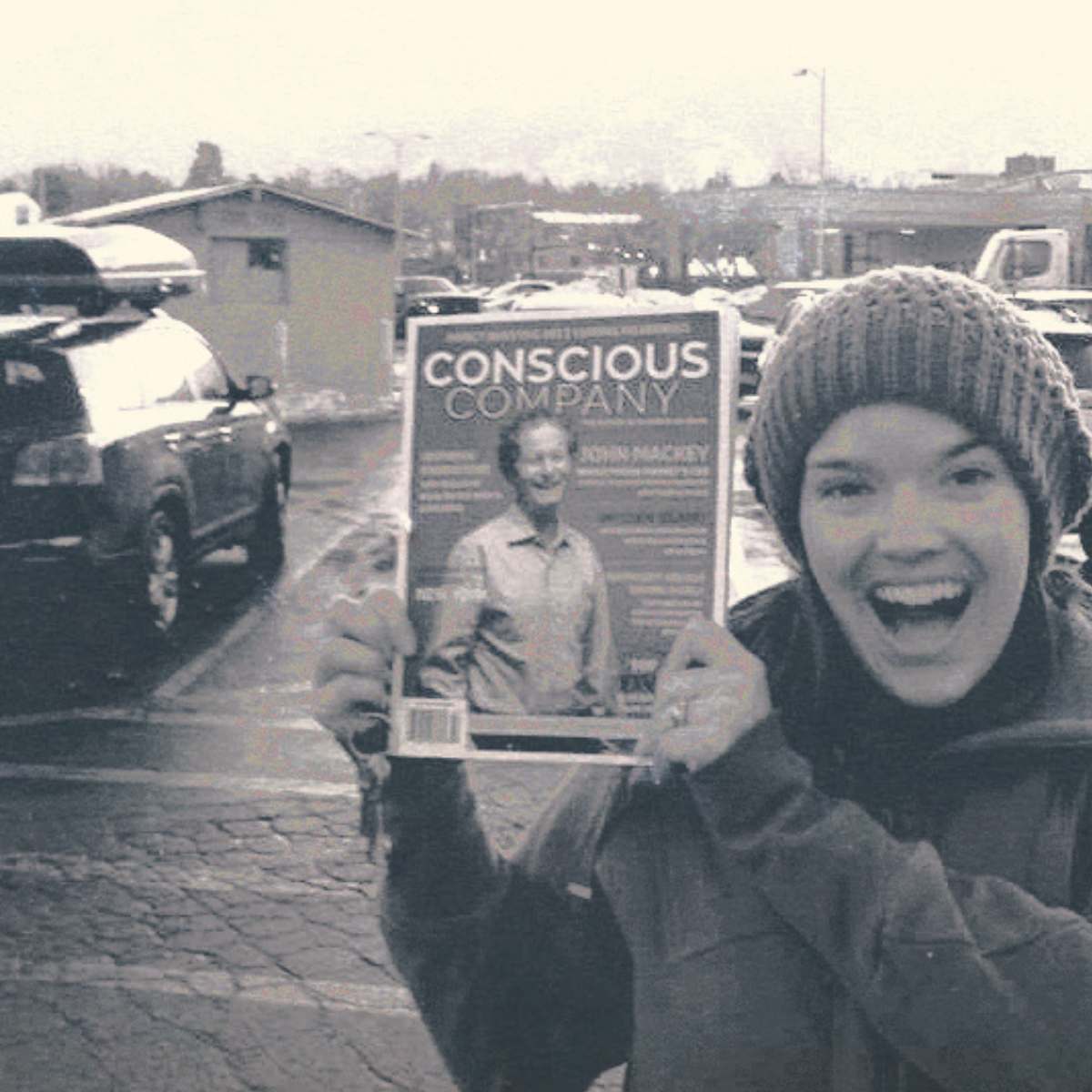
- Leila Janah — founder of Sama Source; cover of Conscious Company Magazine 2017; lost her life to a rare cancer at 37
- Erin Wade — founder of Homeroom Restaurant in Oakland, CA
- Steph Gripne — CEO of the Impact Finance Center in Denver
- Emily + Cesar — Meghan's friends; the Tuesday/Thursday/Friday reciprocity model
- Katie (sister-in-law) — the Cardiff dinner conversation about not knowing what brings her joy anymore
- Katie (college friend) — the 2025 Prague joy trip
Books + frameworks referenced:
- The Myth of Normal by Dr. Gabor Maté + Daniel Maté
- Leading with Joy by Akaya Windwood + Rajasvini Banzali
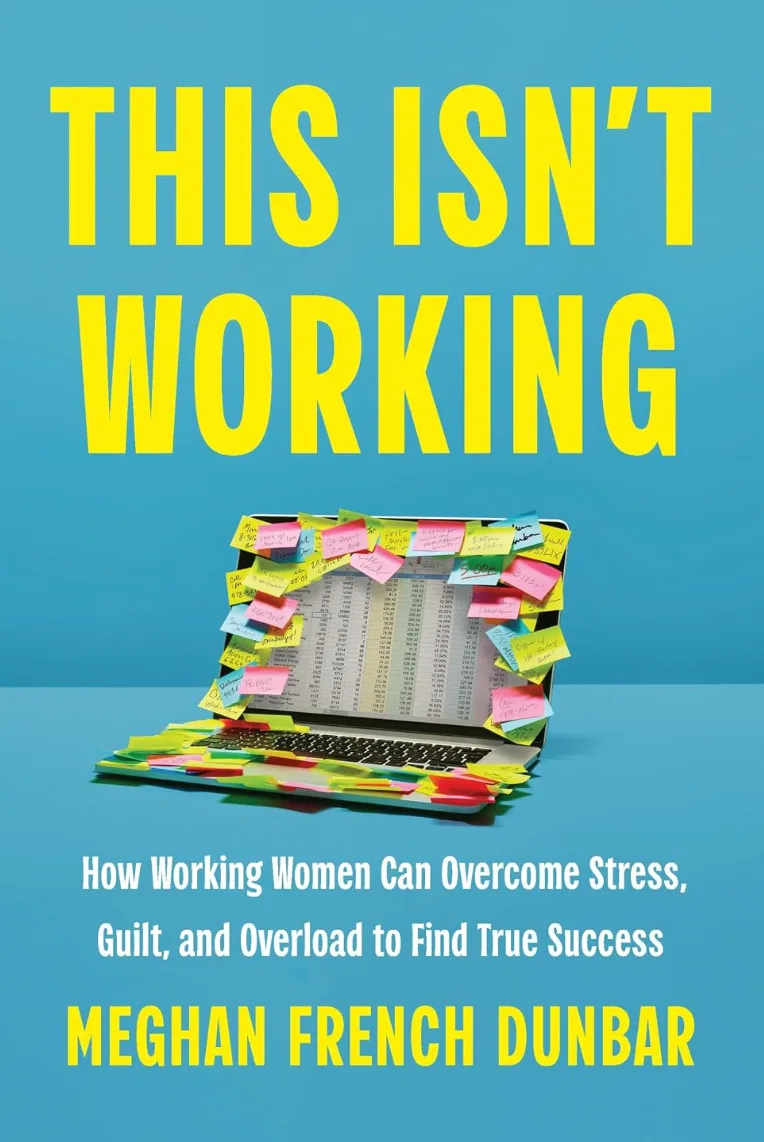
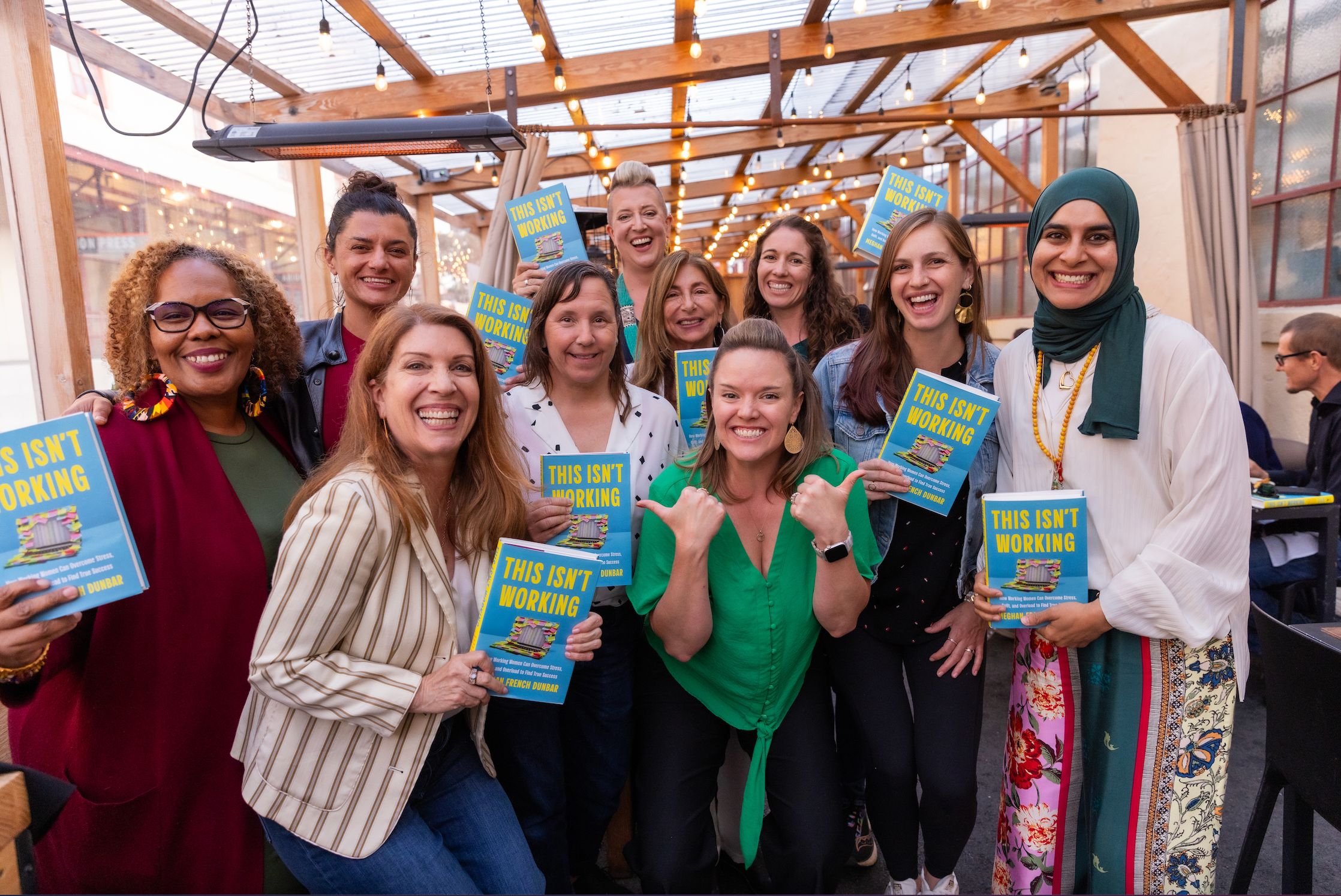
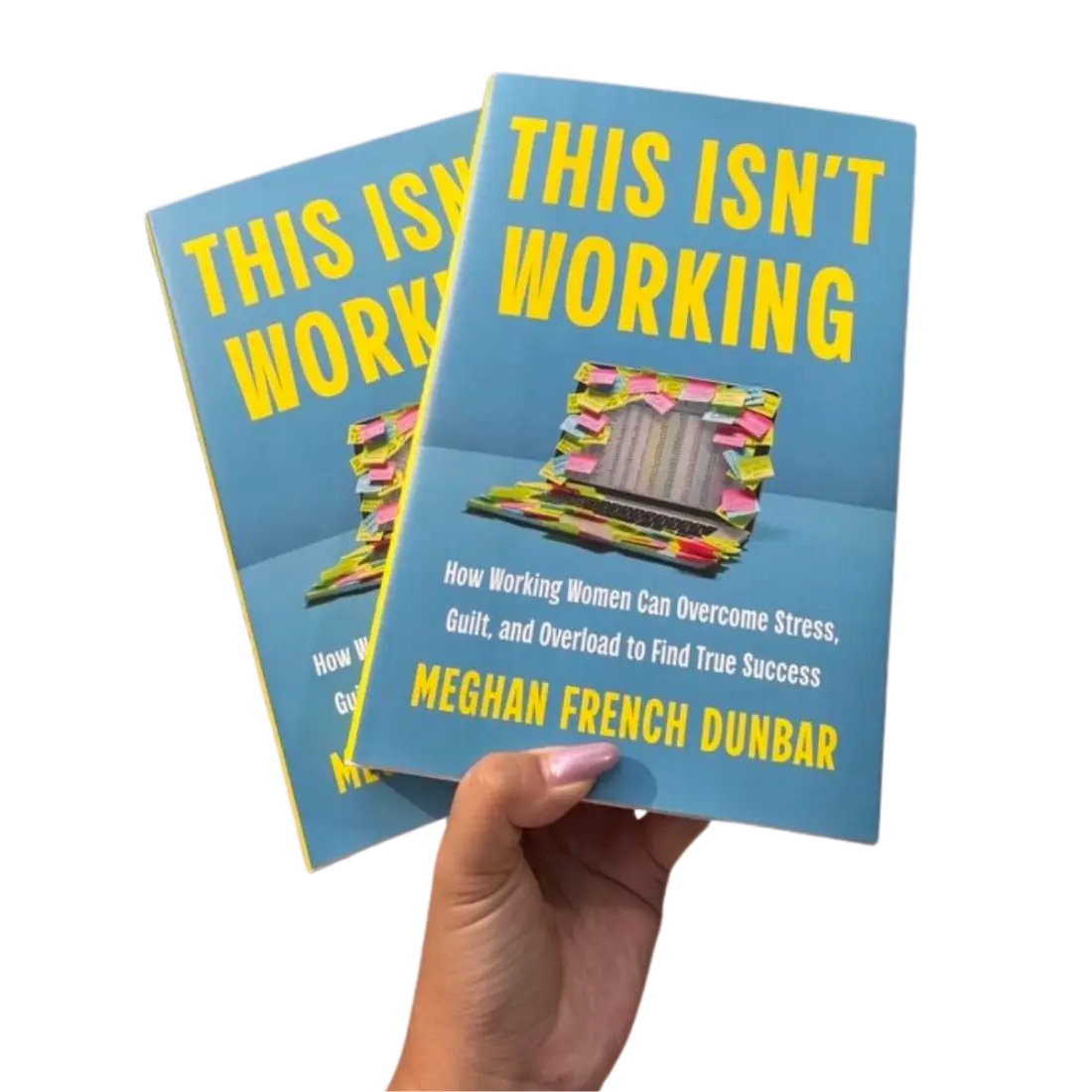
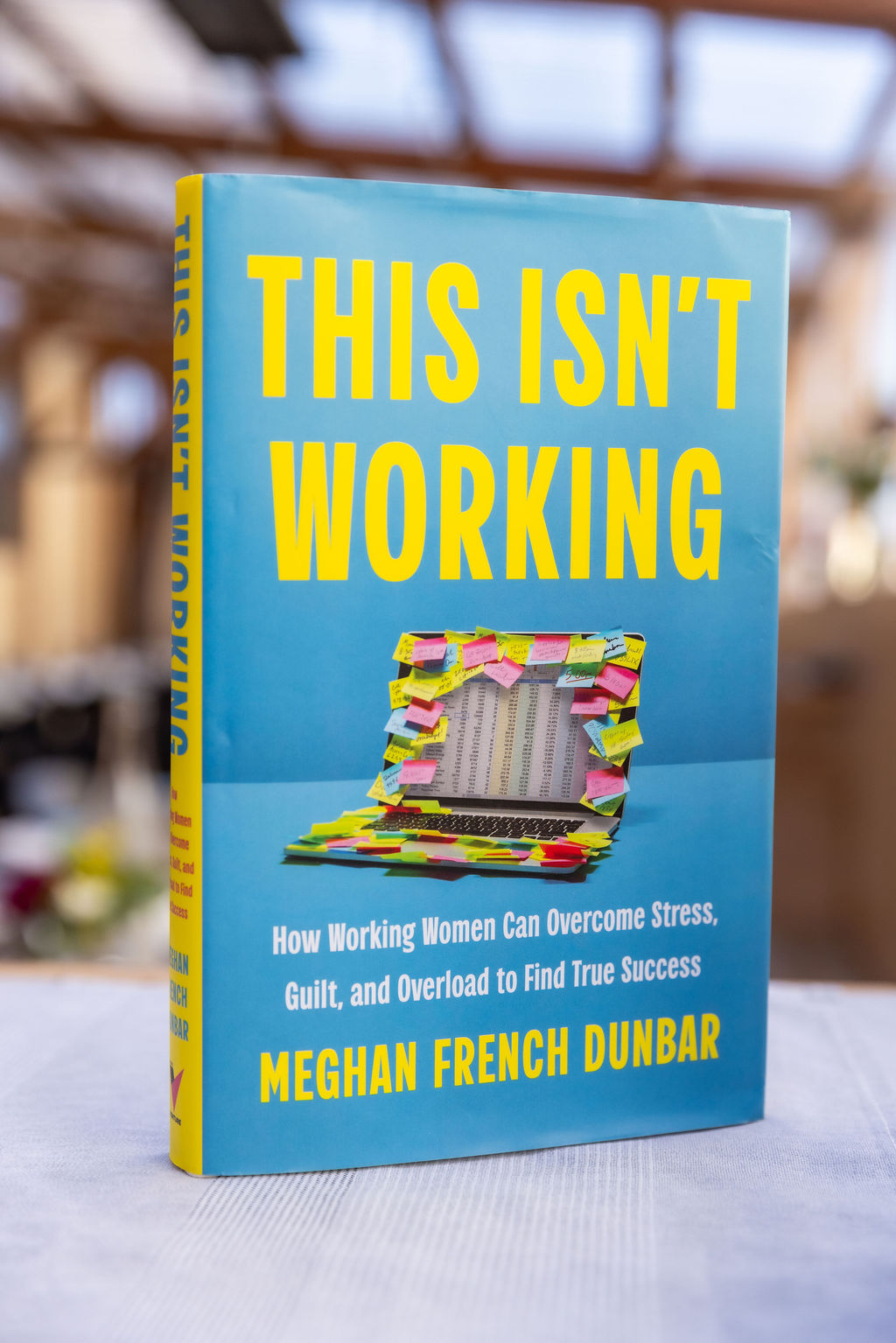
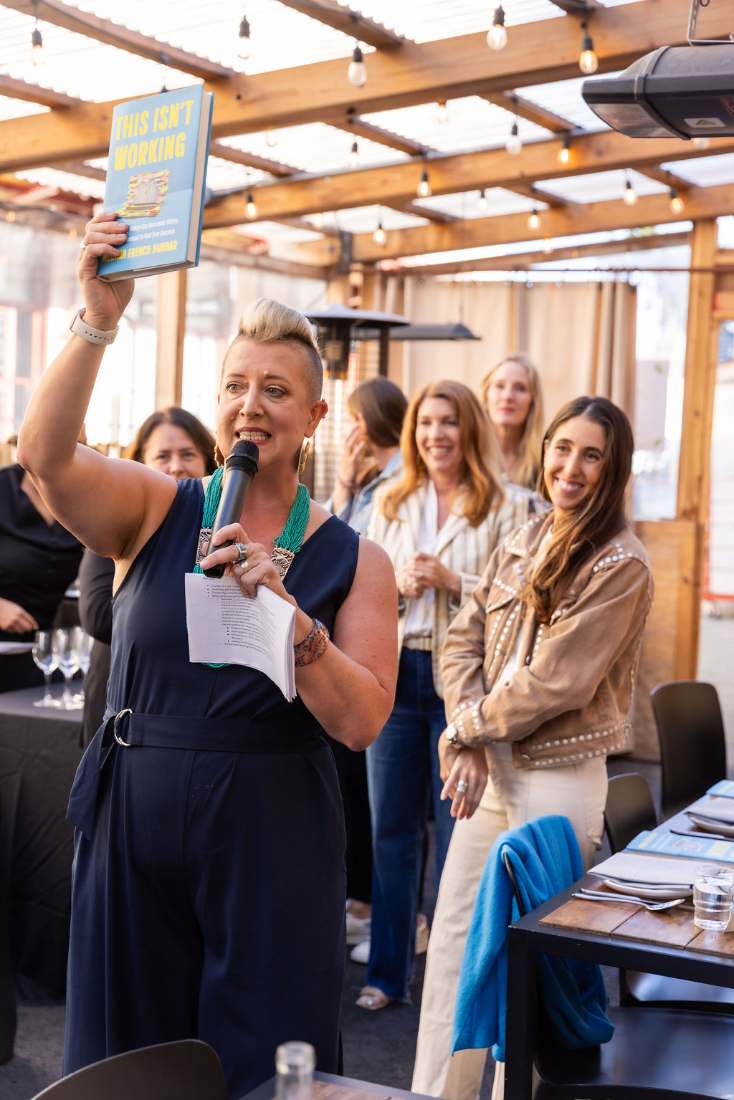
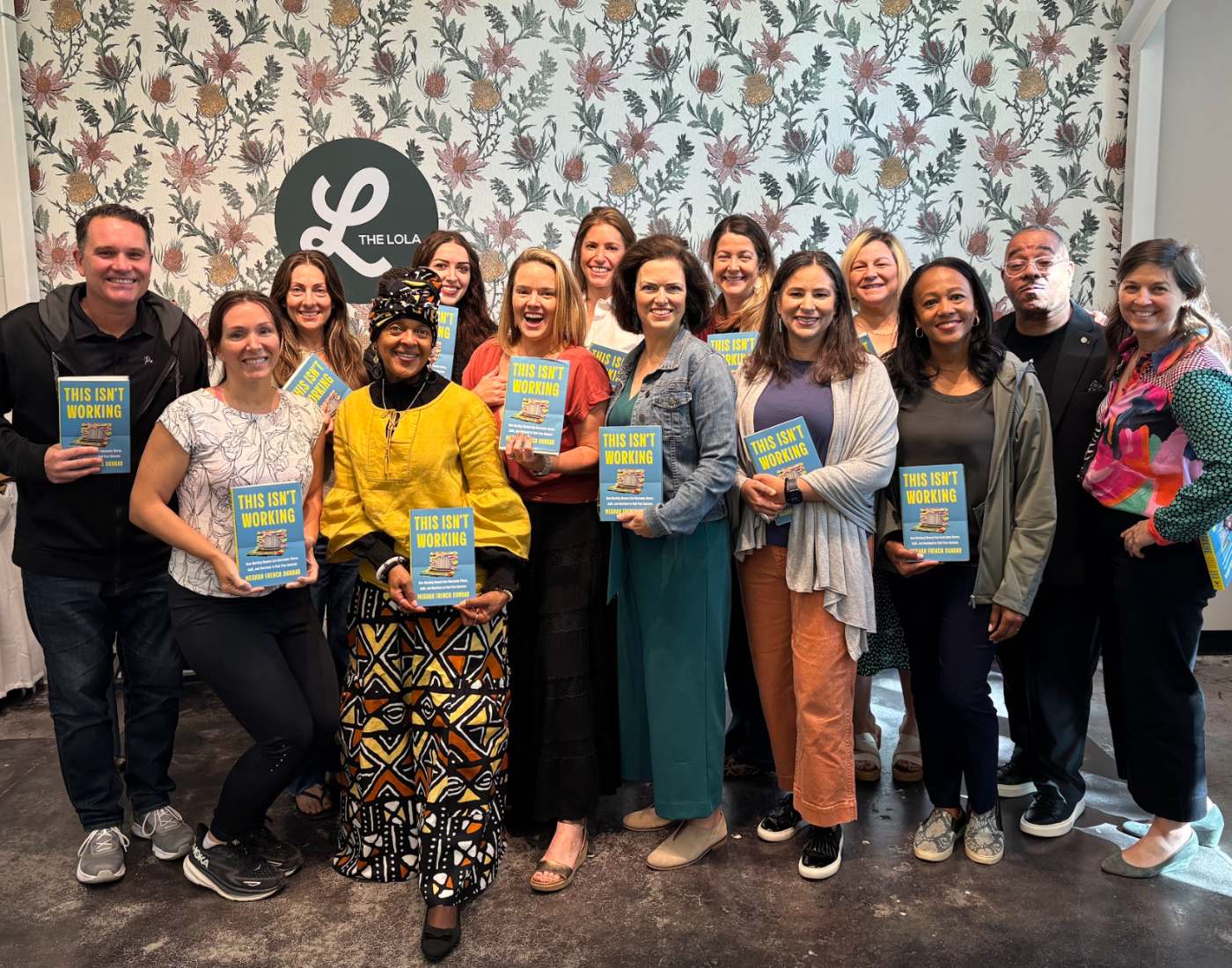
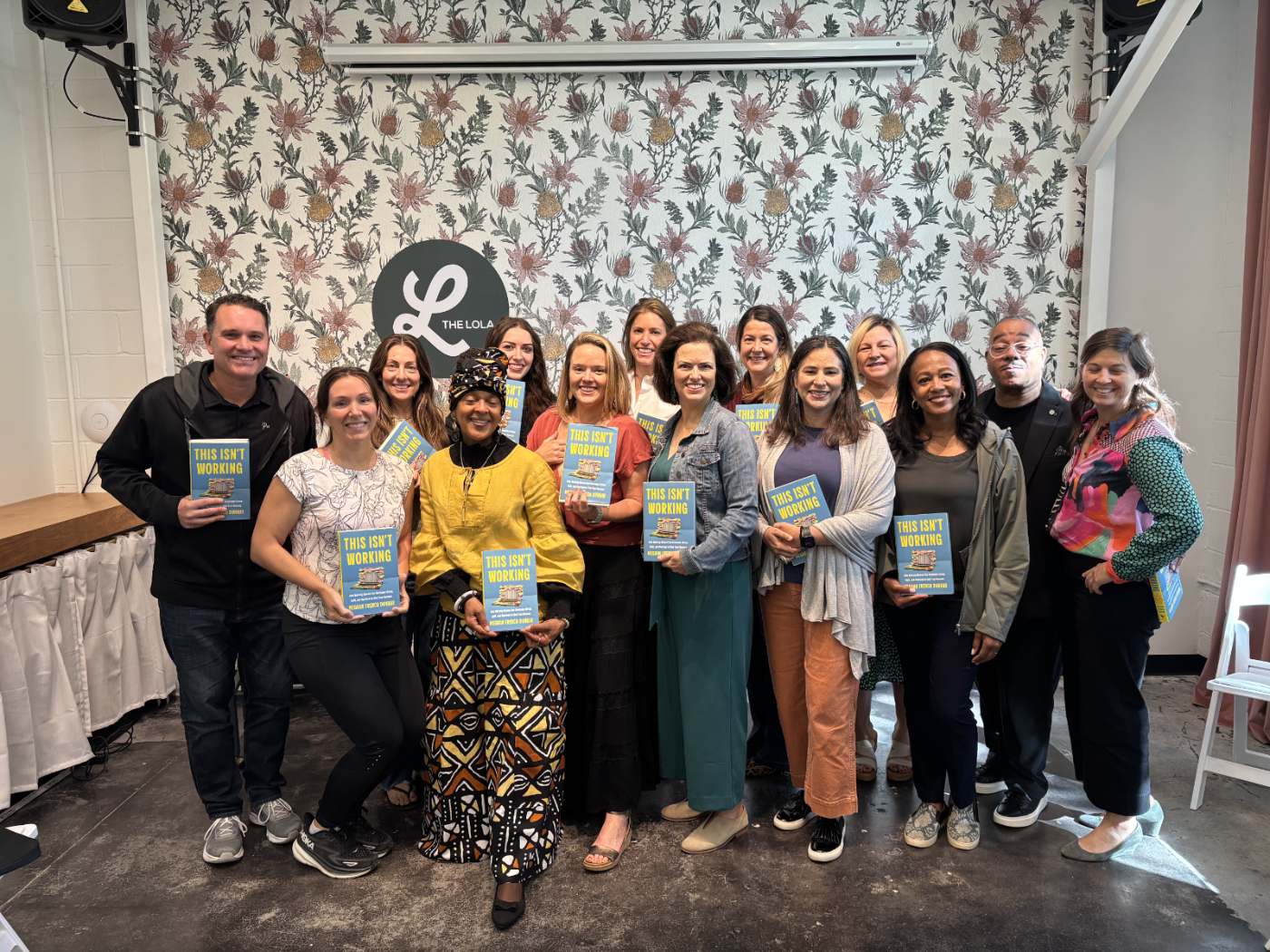
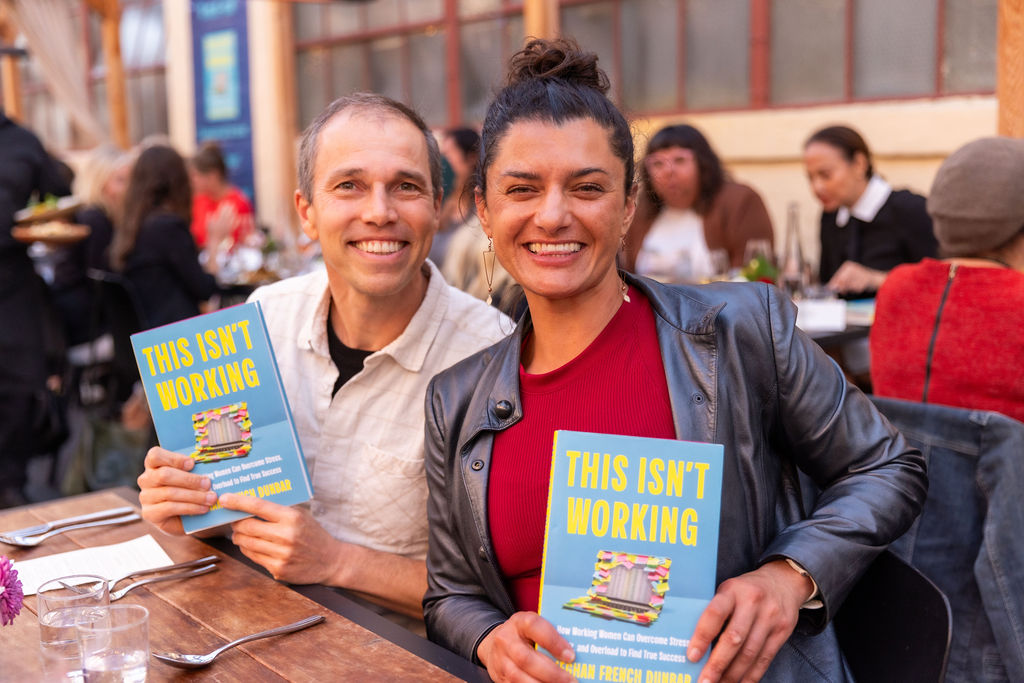
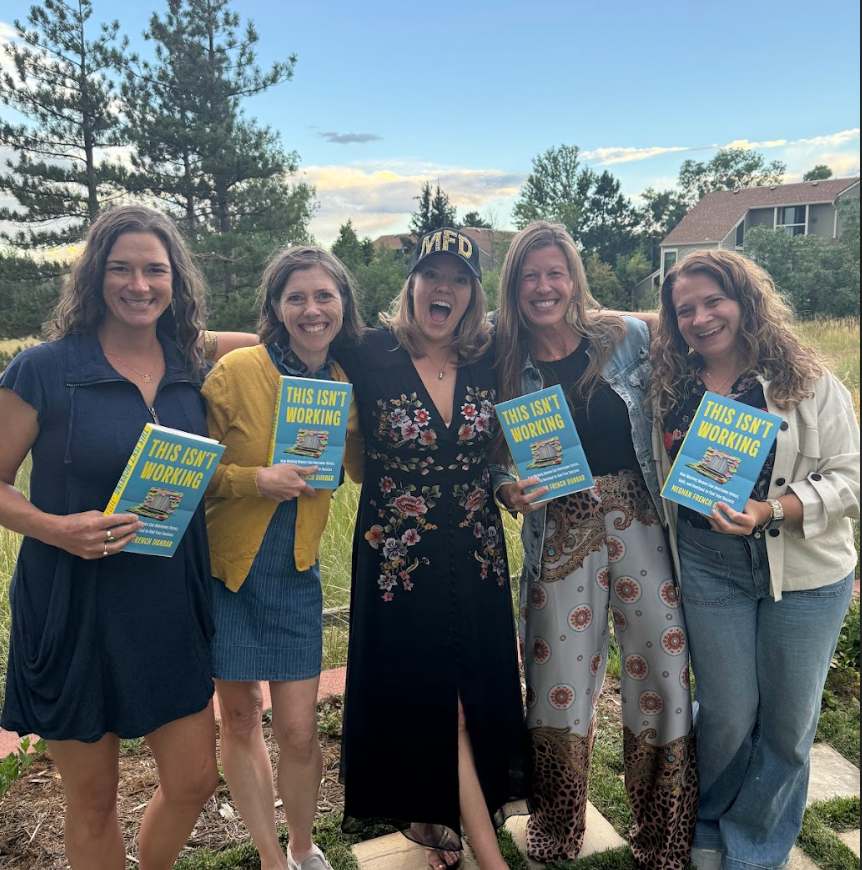
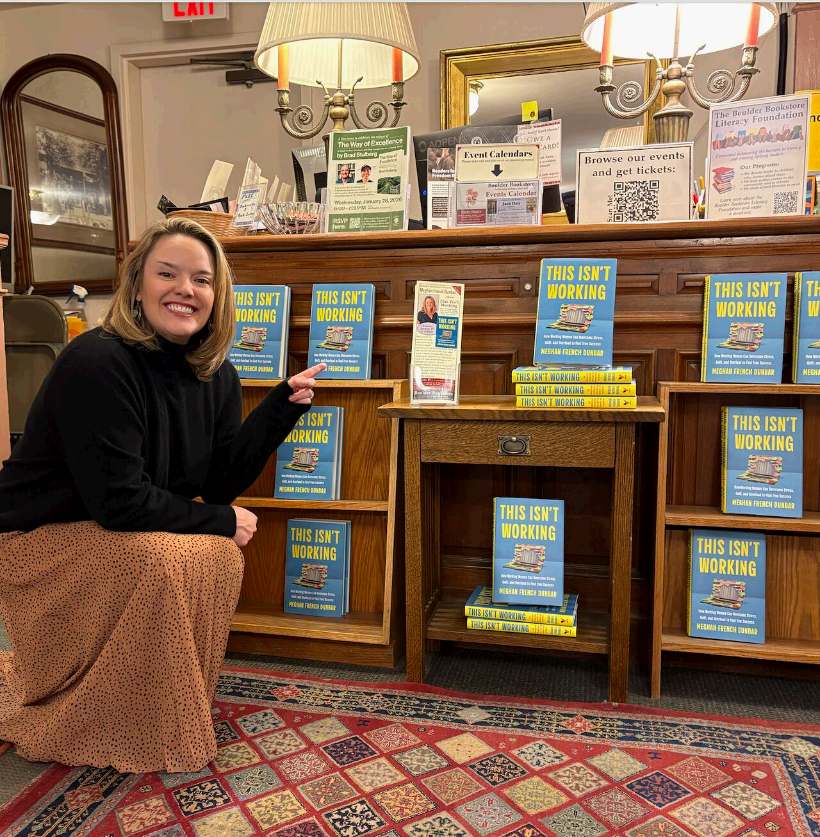
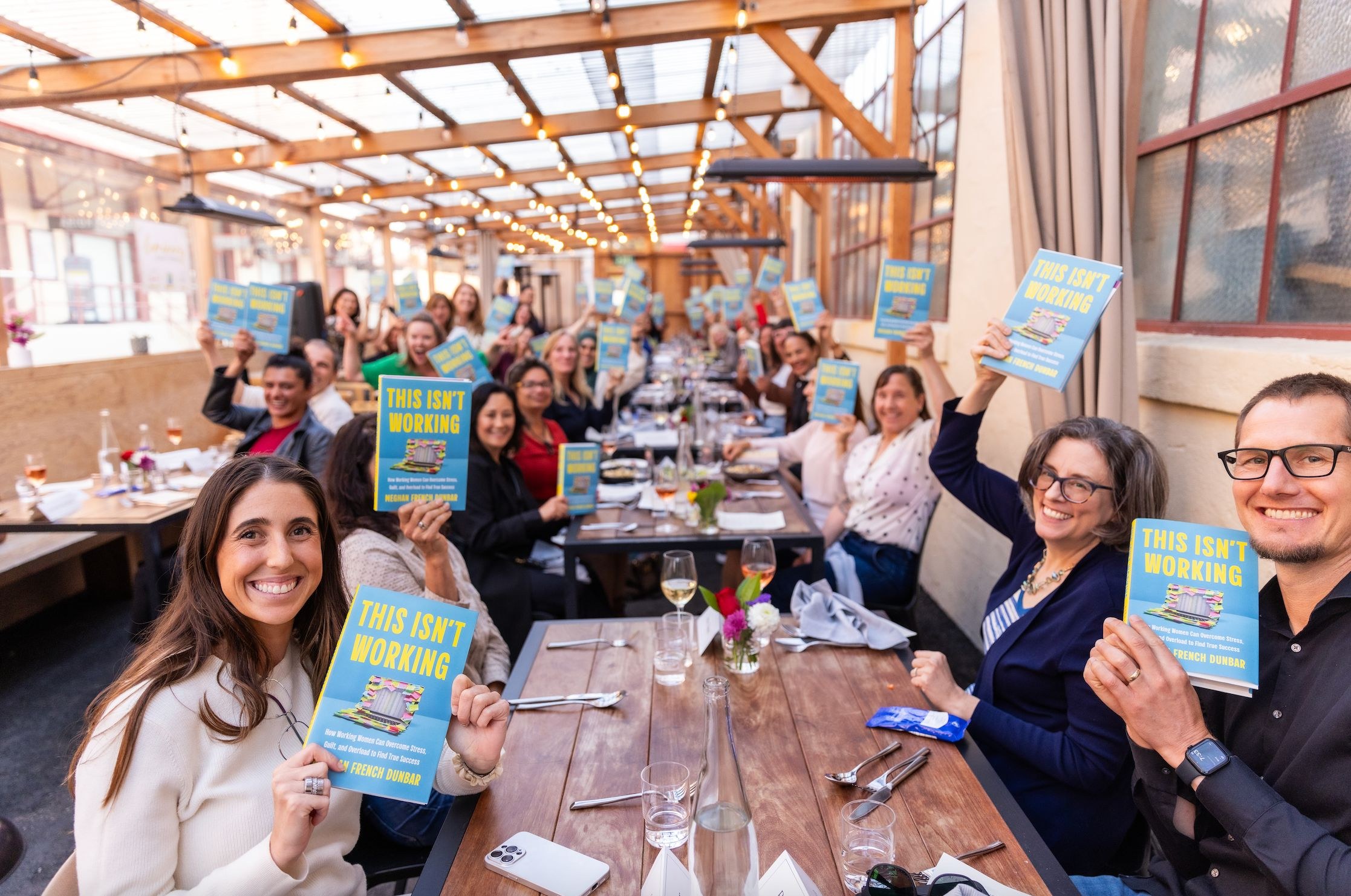
- This Isn't Working by Meghan French Dunbar (Hachette, 2025)
- Harvard's Human Flourishing Program — 5 markers of flourishing (revisited from Episode 3)
- Dr. Barbara Fredrickson's Broaden and Build theory
- Harvard-backed joy practices: gratitude journaling + savoring
CONNECT WITH MEGHAN
- Book: This Isn't Working: https://meghanfrenchdunbar.com/book — available wherever you buy books
- Website: meghanfrenchdunbar.com
- Substack: https://meghanfrenchdunbar.substack.com
FULL TRANSCRIPT
[Editor's note: Lightly cleaned for readability. Preserves original voice + delivery.]
Meghan French Dunbar (00:01): Hello there, and welcome to Better Than This. This is a show for ambitious humans who are tired of the status quo playbook and are looking for something better. My name is Meghan French Dunbar, and I've spent the last decade exploring what it would take to improve work for everyone — to discover whether or not it's possible to succeed in business without being forced to sacrifice ourselves, without the chronic stress, the burnout, guilt, overwhelm, the anxiety.
Good news: it is.
As an author, entrepreneur, journalist, and resident instigator, I've interviewed over a thousand extraordinary business leaders who've achieved success by throwing the old playbook out the window and doing everything differently. What's even better is that this new playbook improves your performance, your workplace, and your life. If you're ready to admit that the way we're working isn't working, and are looking for something better than this — you're in the right place. Let's get started.
Meghan French Dunbar (00:58): A number of years ago, we were having dinner with two of our closest friends, Cari and Nathan.
Let me tell you something about Cari. She is a straight shooter. She tells it like it is. While we were having dinner, I laughed at something Nathan said. And Cari said:
"Meghan, it's so nice to see you happy. I feel like it's been a few years since I've seen you really happy."
I knew I hadn't been particularly happy. I'd had a baby, then COVID, then another baby. There'd been a lot of years of things changing. But having a friend point it out for me — that was a critical moment. It pressed the pause button and helped me start exploring my relationship with joy and happiness.
I would offer the same questions to you.
Right now — at this moment in your life — if I ask you, what are the things that make you the most joyful? Does that answer come easily? Is that something you can access? Are you connected with what makes you feel joyful?
Second question: what is your relationship with those things — if you even know what they are? When you access those things that bring you immense joy, how do you feel? Is there any part of you that feels guilty, or selfish, or like it's a luxury?
Because that's what I started noticing. Once I identified what brought me joy — when I actually participated in those activities — there was always background noise in my head. Guilt that I wasn't taking care of something. Guilt that I wasn't working. Guilt that I wasn't deserving the moment of joy I was having.
The more I explored this and talked to other women about it, I realized I wasn't alone. If this is something you feel too — you are not alone. And there are specific reasons why.
Meghan French Dunbar (~03:30): So — why are so many of us disconnected from our joy?
Two things are working against working women specifically. One is the pesky patriarchy situation. Women are conditioned as we get older to believe that our role at home is to take care of everything and everyone. If you have children, take care of your children. Take care of your spouse. Your social life. Your home. Your family and friends. Everything is about giving of yourself.
In their book The Myth of Normal, Dr. Gabor Maté and Daniel Maté found that one of the top three predictors of disease in all of life is pervasive self-sacrifice. And they said this is chronic in women — the way we've been brought up, we sacrifice ourselves for the good of everyone else around us. Including sacrificing our own joy and happiness.
On the other hand, working women get into the workforce and are put into high-stress workplaces where we have to prove ourselves over and over. We go above and beyond. We work extra hours. We have to be productive at all times to prove our worth.
Either we have to be giving. Or we have to be producing at all times.
Overwork, unsurprisingly, is one of the top predictors of burnout. So we're getting to this place where we're overworking, chronically self-sacrificing — and then wondering why we're not particularly happy or joyful. Joy gets put on the back burner, something we can only do once we've checked everything off the to-do list. We constantly feel guilty if we're doing anything that's not giving or producing.
Two years ago in Mexico, I was with one of my best friends, Megan. Her 40th birthday. Just the two of us. She has a young child, I have two young children. We're sitting at the damn pool having a margarita. I said: "I'm really just struggling. I keep just having crippling guilt while I'm sitting here."
She looked at me and said: "You don't always feel that way?"
My God. It is so ingrained in our psyche that we can't even take a few days off to just be happy and be with our friends.
Journalist Katherine Goldstein said something to me that rocked me to the core:
"The expectation we put on mothers manifests for many of us as guilt, and that guilt is a form of social control. Mothers feel so overwhelmed by what's being asked of them that they don't have the bandwidth or the community or the wherewithal to demand change. Guilt makes you quiet. It makes you shrink. It makes you not want to talk about things."
We have this cultural societal conditioning that we must be giving, must be producing, must be sacrificing ourselves. Anything that brings us happiness starts to feel like a luxury, something we have to earn — or something incredibly selfish. So we don't do it often. As a result, we become disconnected from our joy.
I couldn't put a name to that sinking feeling until now. Any time I wasn't giving or producing — any time I was doing something just because it made me happy — I felt like I was doing something wrong.
Meghan French Dunbar (~08:00): Once I realized I was disconnected from my joy — that a lot of it was societal conditioning, that disconnecting from my joy chronically was putting me at more risk of disease and stress — I was like, okay, I'm going to be intentional about how I relate to joy.
One thing that flipped a switch for me: I was reading Leading with Joy by Akaya Windwood and Rajasvini Banzali. Right at the beginning, they wrote:
"Joy is dangerous. It's a threat to the systems of control and power-over — and is therefore one of the best tools we have as leaders making change. It allows us to move from extracting from others for our self-centered benefit toward transformation for all society."
As I read that — what if joy isn't selfish and a luxury? What if joy is a beautiful act of resistance against the toxic systems that have made it so women feel like they have to be disconnected from their joy?
In a world where we have toxic workplaces, where we're constantly made to feel we're not enough, that we have to do more, give more, produce more — unashamedly finding joy and being in a place of pure joy is radical. It's a gorgeous act of resistance for women to reclaim their autonomy and model to others that it is, in fact, okay to be joyful.
I was like — okay. It's an act of resistance. I like this.
Meghan French Dunbar (~09:30): Then I looked at the research.
If you listened to episode 3 — Harvard's Human Flourishing Program identifies happiness and life satisfaction as one of the five core markers of flourishing. Joy is a NECESSARY component for humans to flourish.
Dr. Barbara Fredrickson pioneered the Broaden and Build theory. Her research shows that positive emotions like joy and love actually broaden our mindset — they open us up, make us more expansive. Whereas negative emotions like fear and anger shrink us. When we're more open and expansive, it helps us make better decisions, be more innovative and creative, more aware, more present, and build stronger relationships.
But wait, there's more. These short-term positive emotions make us MORE resilient in the face of future challenges.
Pull it all together: the more you access your joy, the more you flourish, the better decisions you make, the better relationships you have, the more present and aware you are, the more innovative and creative — which makes you more resilient in the long term. At work: a better leader. At home: a better damn human.
Joy makes you better at everything.
Aha.
Once I had this realization — joy is not being selfish. Joy is making me a better leader, better human, better partner, better mom. It's a core element of flourishing AND a radical act of resistance for women dismantling harmful systems.
Holy macaroni.
Meghan French Dunbar (~12:00): And even still, it was hard to actually reconnect.
Fast forward a few months from that Cari dinner. My dad was diagnosed with two different types of cancer requiring months of chemotherapy. I would go down to his sessions at the Rocky Mountain Cancer Center and sit with him.
If you've ever been in a chemo center — this one had about 50 recliners in little groups. Fifty people receiving chemo. As I was there — often my dad would be tired from chemo, sleeping, and I'd hold his hand — I would look around the room and have the heart-wrenching realization that a lot of the people in the room were my age or younger.
And it brought me back to Leila Janah.
In 2017, we had the formidable entrepreneur Leila Janah grace the cover of Conscious Company Magazine. She was CEO of Sama Source — an incredible social entrepreneur who had changed the lives of hundreds and hundreds of people. I still remember going to San Francisco for the interview. Leila was a force of nature. She swirled into the room. She'd just gotten back from wingsuiting through the mountains in France or something bonkers. She had this joy of life. Everything she was talking about was THE BEST. She was building incredible things. Changing so many lives. Nothing she couldn't do. I felt inspired to be a better version of myself as a result of being in the room with her.
A few years later, I heard through the grapevine that Leila had been diagnosed with a very rare and aggressive cancer. Of course she was going to beat it. She was Leila.
Later that year, she lost her life. She was 37 years old.
When I saw that she and I were the exact same age — it was like a spear-in-the-chest moment of remembering that nothing is guaranteed. Tomorrow is not guaranteed.
So there I am in the chemo center with my father, looking at people my age, thinking about Leila. And of course I ask myself:
If this were my last year on earth, what would I regret?
Fortunately — I've taken some big swings. I've done a lot of the things I want to do. I've launched the magazine. I have incredible experiences. Beautiful relationship with my husband, kids, all the things. Really, there's very little I would regret —
With the exception of that I don't do much anymore that brings me joy.
That was the pivotal moment. Driving home from the chemo center — 30 minutes back to Boulder — I started thinking: how do I reconnect with my joy?
Meghan French Dunbar (~15:30): Practice 1: Define what brings you joy.
I had felt so disconnected that I actually couldn't have told you what brought me immense joy at the time. So I went home and asked myself: how do I re-access my joy?
I thought about every memory where I felt immense joy — deeply content to the core of my soul, awe-inspired, laughing so hard my stomach was on fire. The moments I imagine will cycle through on my deathbed. I wrote them all down. Then I looked at the common denominators.
Very specific things came up for me:
- Traveling — solo or with others, doesn't matter, the experience of adventure and seeing new things
- Eating delicious food — I'm a foodie, savoring incredible meals
- Deep conversations with people I love
- Hosting salon dinners — getting to know people
- Being around four or five of my closest friends playing board games — laughing our faces off
- Being outside, in nature — walking in aspen trees, hikes with friends and family
These are things I know 100% without fail bring me joy.
What would it look like to intentionally reengage with these things?
I was like — what's the biggest effing thing I could possibly think of to reconnect with my joy? (That's part of my personality.) You know what?
I am going to go on a joy trip.
A joy trip is a trip specifically built around the things that bring you the most joy in your life.
As a result of having a child, then the pandemic, then another child — we hadn't traveled in ages. In my brain, I was like: it's cool, I'm just not going to travel for the next decade. That became my story. I wasn't allowed to travel anymore, especially not alone. I couldn't leave my children. I couldn't leave my work. All the things.
I was like — no. We're going to shelve that particular story. I'm going to come up with a joy trip.
Mine: UK. A few days by myself in London traveling. Meet my brother. Go up to Liverpool for a Liverpool soccer game at Anfield (I'm a huge Liverpool football supporter — this is the Mecca of soccer, aka football). Then down to Cardiff, Wales, where my brother was living, to see my nieces who I hadn't seen in a couple of years.
I proposed it to my husband. My beautiful, gorgeous, supportive, loving husband. His first response: "Are you serious?"
Because neither of us had been accessing our joy or doing anything like this for so long that he initially thought I was joking.
The old me — the one who felt joy was very selfish and had to be deserved — would have 100% caved. "Yes, you're right. I'm being unreasonable. This is ridiculous. Never mind."
The new me was like: "Yes, Scott. I am in fact serious. Here's why."
I told him about how I'd felt disconnected from my joy. How it was something I would regret. How life was short. All the reasons that had led up to this moment.
He was like: "Okay. Let's figure it out."
I proposed that, as our resources dictate, at least every other year — or every year if we can swing it — each of us gets a joy trip. One week to do whatever we want.
I got to do the first one. Flew into London. Few days alone. Traveling, eating good food. Met my brother. Went to Anfield. Met my little nieces. Experienced Cardiff for a few days.
On the last day, I was having dinner with my brother and sister-in-law Katie. I was talking about the genesis of the trip. My sister-in-law said:
"I don't even think I know what brings me joy anymore."
I told her — ironic that I'm on my joy trip and I'm hearing this from you. I hear it from pretty much every woman I know.
I flew home. Realized as soon as I walked back in the door how restored I felt. How rejuvenated, energized, reconnected. As Fredrickson's research predicted, because I'd been accessing joy so intentionally for a full week, I came back more present and aware. Building better relationships. More creative. Had incredible ideas on the trip about things I could do when I got home. Which — as the research shows — makes us more resilient in the long term.
I've made it a continual practice. Last week I got back from my 2025 joy trip — I went to Prague with my best friend Katie. She called me a few months ago: "I have to go to Prague for an MBA capstone project. I have a free hotel room. Want to come?" Funny timing. I'll be there 100,000%. We flew into Munich. Salzburg. Prague. I had four days completely alone in Prague. Came home lit the F up.
Meghan French Dunbar (~23:30): Practice 2: Make it a regular practice.
Daily or weekly. Two Harvard-backed practices to re-access joy:
Gratitude journal. Writing down three things you're grateful for. It reconnects you to the experience of being happy and joyful.
Savoring. Spending five to ten minutes drinking a cup of coffee on your porch or going for a walk outside — doing something you enjoy and intentionally savoring every single element of it, using your senses. What does it feel like? Look like? Smell like? Sound like? Just being fully present.
We have a daily check-in practice with my little family. My kids are three and five. Every night at dinner: what is the most joyful part of your day? What was the best thing that happened to you today? For my husband and I, this is powerful — there are days where I'll be like "I just worked today, I didn't..." and it helps me dig deeper. Or I'll realize I've had multiple days in a row where I didn't have something to say. And often I'll be like — do you want to know what my most joyful moment is? Right now. Having dinner and talking about this with my beautiful little family.
Whatever practice works for you — the key is consistency. At the end of your week, write down the three most joyful moments. This keeps joy in your psyche as something to pay attention to. Something you're not earning. Something you have permission to access every day.
Meghan French Dunbar (~26:00): Practice 3: Schedule it.
When I first thought about scheduling joy, it sounded so wrong. But yeah — put it on your effing calendar. If it's not in your calendar, it often doesn't happen.
Entrepreneur Erin Wade — she's the restaurateur who founded Homeroom Restaurant in Oakland — was running a hugely successful smash-hit restaurant and it was overwhelming her life. She had a realization in the middle of it that she was not particularly happy. She wasn't prioritizing what made her most joyful (surfing) or, when she did do it, she was hiding it from her team and feeling guilty about it.
She was like: "Wait. If I'm going to model well-being and a beautiful workplace culture — I need to show them it's okay that the CEO does it herself."
So every Tuesday and Thursday morning, she put surfing on her calendar. Not "busy." She wrote surfing. And she was very open with her team:
"I will be surfing on Tuesday and Thursday morning from these hours to these hours. Do not disturb unless there's an emergency over a certain amount of dollars. I will be on the water being joyful and super happy and surfing."
Many CEOs and leaders I know who are thriving schedule their joy the same way. Steph Gripne — CEO of the Impact Finance Center in Denver — puts partner dancing on her calendar at least once a week. She loves partner dancing. She goes to a place in Denver. Never misses.
Our friends Emily and Cesar have a weekly practice. Emily gets Tuesday nights. Cesar gets Thursday nights. One is released to do whatever they want to access their joy while the other stays home with their young child. Friday night is couples joy night — date night with a regular sitter. Joy on Thursday. Joy on Tuesday. Joy on Friday. Everyone wins.
Find a way to put the things that bring you joy on your calendar. Small daily things. Weekly things. Monthly. If you want to get crazy — the yearly big-ticket item: the joy trip.
I've inspired multiple friends to do this now that I'm open about my yearly joy trip. And reciprocity: last year my husband went to New Hampshire with three of his best guy friends. Week on a lake. Just being super happy and joyful. He returned to his family so much more present, engaged, excited.
Instead of thinking about all the reasons it won't work — figure out a way to make it work. We both have demanding careers. Young children. It's a lot to leave one of us home alone with a three and a five year old. Our joy trip usually centers around a time when one of our parents can come help out. We get extra help. Save up. Whatever you need. Figure out a way to make it happen on a consistent basis rather than immediately jumping to why it won't work.
Meghan French Dunbar (~31:00): Those are the three practices: define what makes you joyful. Reconnect with it on a daily or weekly basis. Schedule it.
Pretty simple.
The more you do so, the more you reconnect with your joy — and reconnect with yourself and the beauty of life.
Joy is not something that has to be earned. It is, in fact, a birthright. You do not have to be worthy of being happy. You do not have to produce a certain amount or give a certain amount of yourself. You deserve to flourish. Each of us does.
Joy is one of the key ways to come back to yourself and ensure you're actually flourishing.
Until next time.
Meghan French Dunbar (32:15): Thanks again for listening to Better Than This. As a reminder, you can always find show notes and any corresponding resources for the show on the show's website at meghanfrenchdunbar.com/betterthanthis. If today's episode resonated with you, I would be very grateful if you could leave a review or a rating on whichever podcast platform you're listening on — or share the episode with a friend who you think would appreciate it.
You can also subscribe to my Substack for weekly insights and tools to support your growth along the way.
Until next time: keep challenging the status quo so we can — wait for it — build something better than this.
Take care.