It's Not You. It's Business: Why Work Is Burning Everyone Out | Unbehaved
If you've ever ended a work week completely wiped, spent an entire Sunday dreading Monday, or found yourself thinking "is this really what work is supposed to feel like?" — the answer is no. And it's not you.
We’re told that stress, overwhelm, and burnout are all personal problems — a time management issue, a self-care problem, a “just push through” situation. But what if the problem isn’t you? What if it’s the system?
In this foundational episode, host Meghan French Dunbar lays out the case for why work is genuinely broken for most of the 3.5 billion humans in the global workforce — and why it wasn't always this way. She gets personal about the panic attack she had at 33 that finally forced her to confront how the CEO life was destroying her health. She walks through the 1970 Milton Friedman moment that installed shareholder supremacy as the default operating system of modern business. And she names the five specific organizational patterns that keep almost all of us stressed, exhausted, and questioning our worth.
This is the episode to send someone who's burned out, wondering if they're the problem, and starting to suspect the system might be. It's also the episode that sets up everything else Unbehaved* is about — a decade of research into the leaders who've figured out a different playbook and are proving another way is possible.
[Editor's note: This episode originally aired under the show's former name, "Better Than This." The show is now "Unbehaved."]
WHAT WE COVER
- Why Meghan started this podcast — and the "great knowledge, great responsibility" conversation that finally got her to press record
- The panic attack at 33 that Meghan calls the moment she realized "this cost of success" was actually going to kill her
- The 1970 Milton Friedman op-ed that quietly rewired the entire operating system of American business
- Why 20% of CEOs meet the clinical definition of psychopath — and why the system almost requires that
- The APA-identified top predictors of stress, mental health issues, and burnout — and why almost every one of them is baked into how modern workplaces are designed
- The five specific organizational patterns that keep workers stressed, burned out, and questioning themselves (they're not accidents — they're features)
- Why "Black Monday syndrome" is real — and what it says about the system we're all trying to succeed inside
- The staggering data: 85% of workers reporting moderate-to-extreme work stress in the last year, 60% saying work impacts their mental health more than anything else in their life
- The good news: there IS a new playbook — one Meghan has spent a decade documenting — and this podcast is going to walk through it, week by week
PULL QUOTES
"I am tired of watching wonderful, ambitious, delightful human beings get chewed up and spit out in a system — especially when it can be so much better than this."
"I will never forget the terrified look in my husband's eyes as he's looking at me having a complete panic attack — having the stress of my career impact my health in such a way that I genuinely didn't know if I was having a heart attack or not. And I was 33 at the time."
"And I woke up the next day and just went right back to work. Because I had to, right? I'm the infallible leader. I can't show weakness. I have to just keep pushing through."
"With great knowledge comes great responsibility."
"We're essentially incentivizing business leaders to be as ruthless and creative as humanly possible in taking advantage of other people and resources so that they can succeed."
"While 1% of the general population is considered a psychopath — meaning lacking conscience, empathy, or remorse — 20% of CEOs are."
"So either you have to be a psychopath to succeed in this paradigm, or you compromise your values and end up more depressed than other living people."
"Maybe it's not me. Maybe it's business. Maybe I'm not the problem."
"It is a social construction. Us cute little humans, we made it up. And we're still making it up."
— on business
"You're not alone. If you're feeling like — wow, is there something better? Am I the only one who's feeling like this? Is this supposed to feel like this? At what point does it start to feel good? You are not alone."
CHAPTERS
- 00:00 — Cold open: what this show is for
- 00:58 — Welcome + the mission of the show
- 02:15 — Why should you listen to me? (Meghan's origin story: Conscious Company Magazine, the 1,000+ interviews)
- 07:30 — The Josh from Brink Media conversation that finally got her to press record
- 09:45 — The format promise: real, deep, sometimes messy, always useful
- 11:00 — The panic attack on the hardwood floor at 33
- 14:30 — Resigning as CEO, having a baby, and the raspberry-seed question that became a book
- 19:26 — The stats: what actually predicts stress, burnout, and mental health issues at work
- 22:00 — The 1970 turning point: Milton Friedman, shareholder supremacy, and the invention of profit-at-all-costs
- 25:30 — 20% of CEOs are psychopaths — and why the system almost requires it
- 27:00 — The five harmful organizational patterns that drive burnout
- Pattern 1: Win-at-all-cost, high-pressure growth cultures
- Pattern 2: Cost-cutting scenarios (wage stagnation, safety compromises)
- Pattern 3: Rigid hierarchy and fear-based command-and-control
- Pattern 4: Individualistic, hyper-competitive cultures
- Pattern 5: Winner-takes-all paradigm
- 37:00 — Black Monday syndrome + the physiological cost of chronic work stress
- 40:00 — The new playbook preview: what's coming in the rest of the podcast
- 42:51 — Sign-off + subscribe
RESOURCES MENTIONED
People + companies referenced:
- Josh from Brink Media — host of This Is Propaganda podcast; the conversation that convinced Meghan to launch her own show
- Stephanie Nadi Olson — founder and former CEO of We Are Rosie
- Eileen Fisher — founder of the eponymous clothing brand
- Chip Conley — founder of Joie de Vivre Hotels
- Susan Griffin-Black — co-founder + co-CEO of EO Products
- Alfa Demmellash — founder of Rising Tide Capital
- Jane Wurwand — founder of Dermalogica
- Courtney Klein — friend, who introduced Meghan to the "raspberry seed" metaphor for insistent ideas
Companies Meghan has worked with: Kate Spade, Coach, Leonard Green & Partners, Charter Next Generation
Books, articles + frameworks referenced:
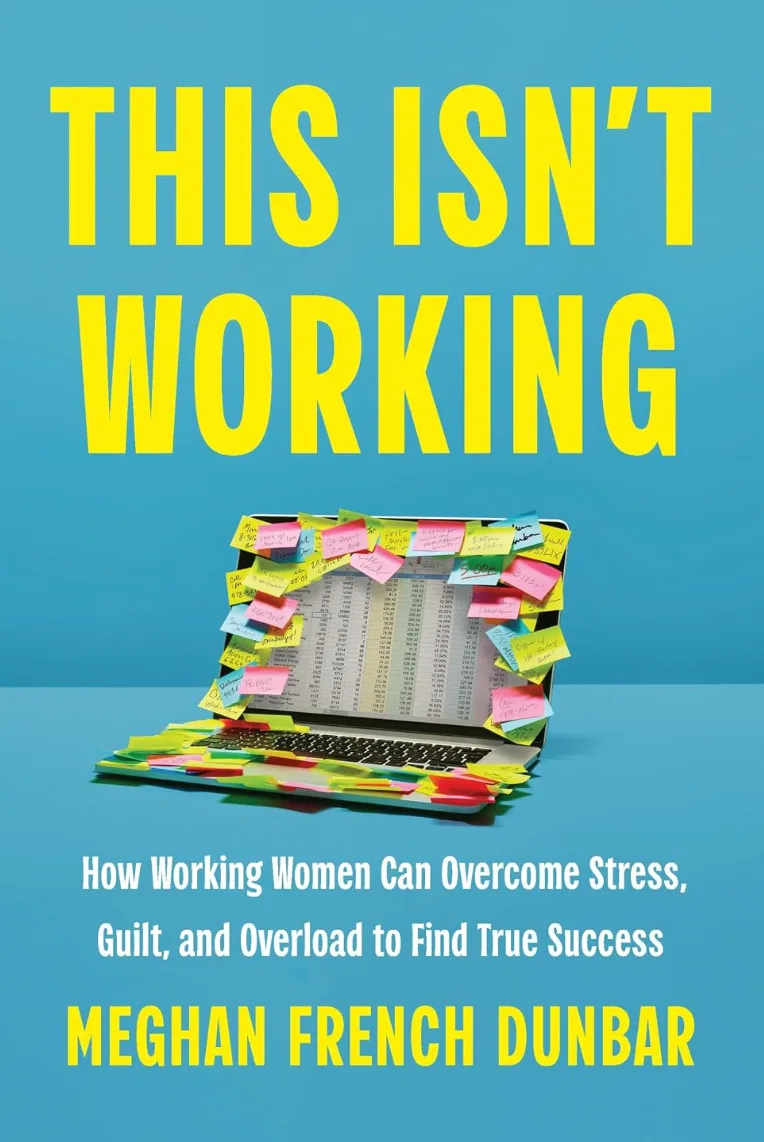
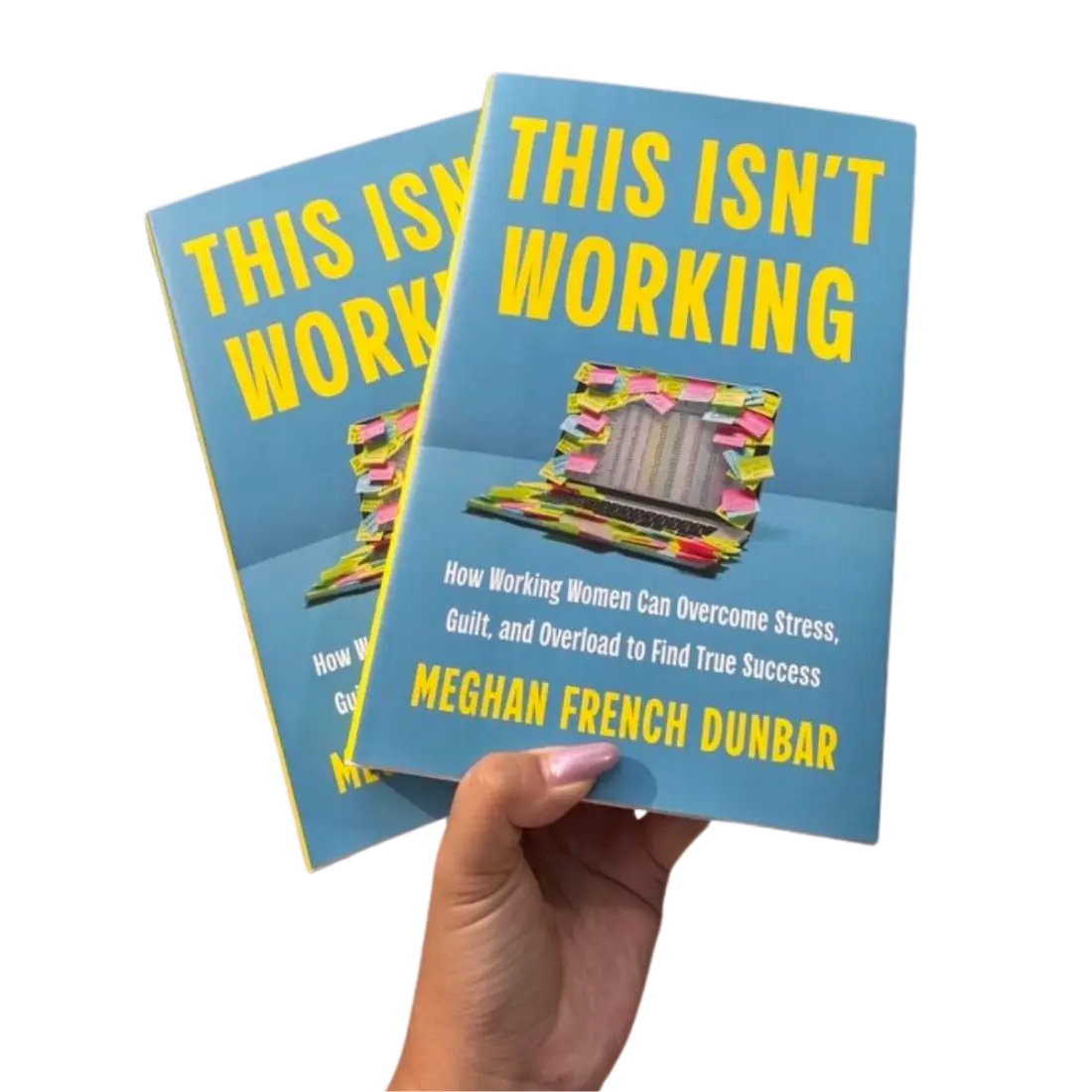
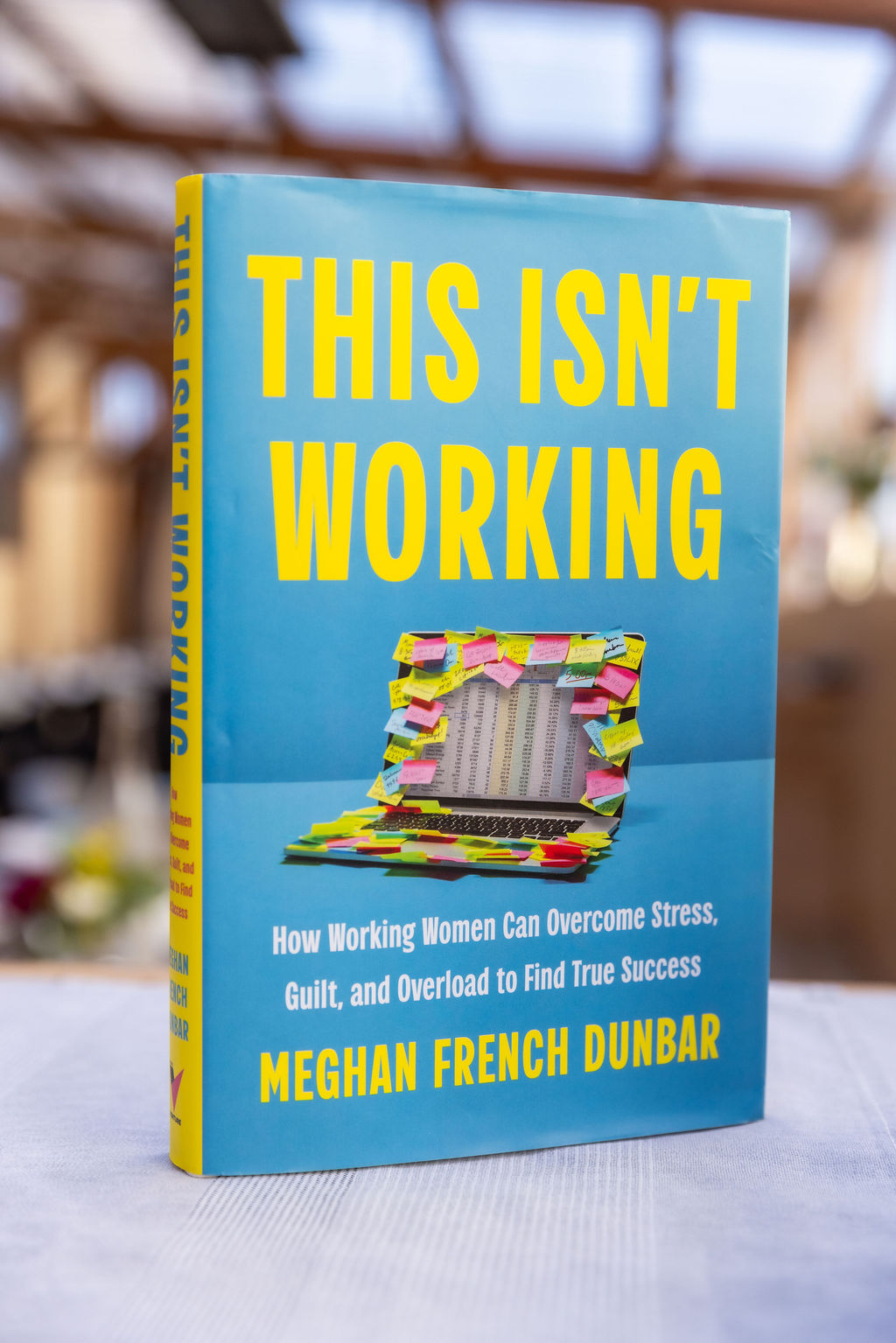
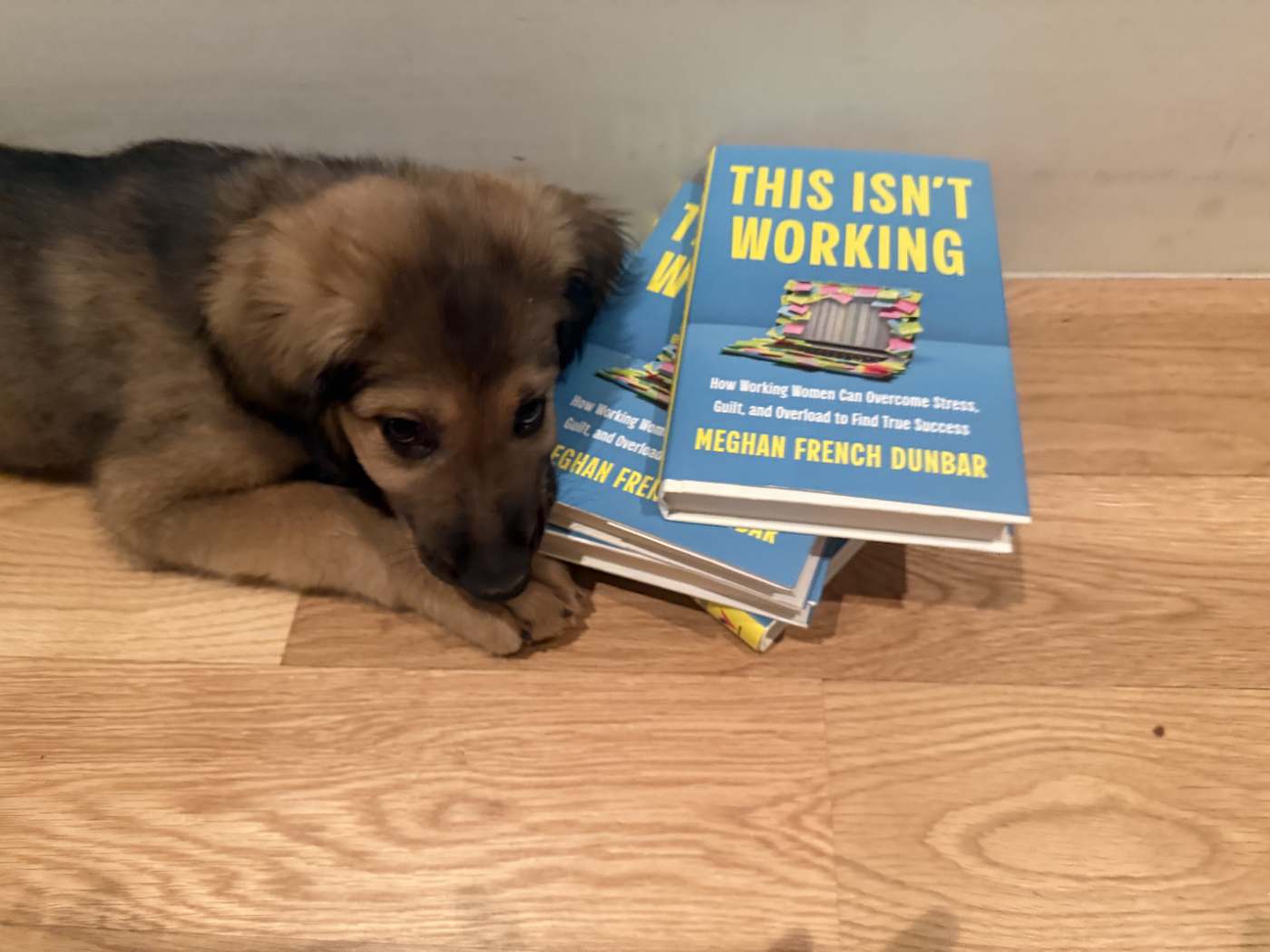
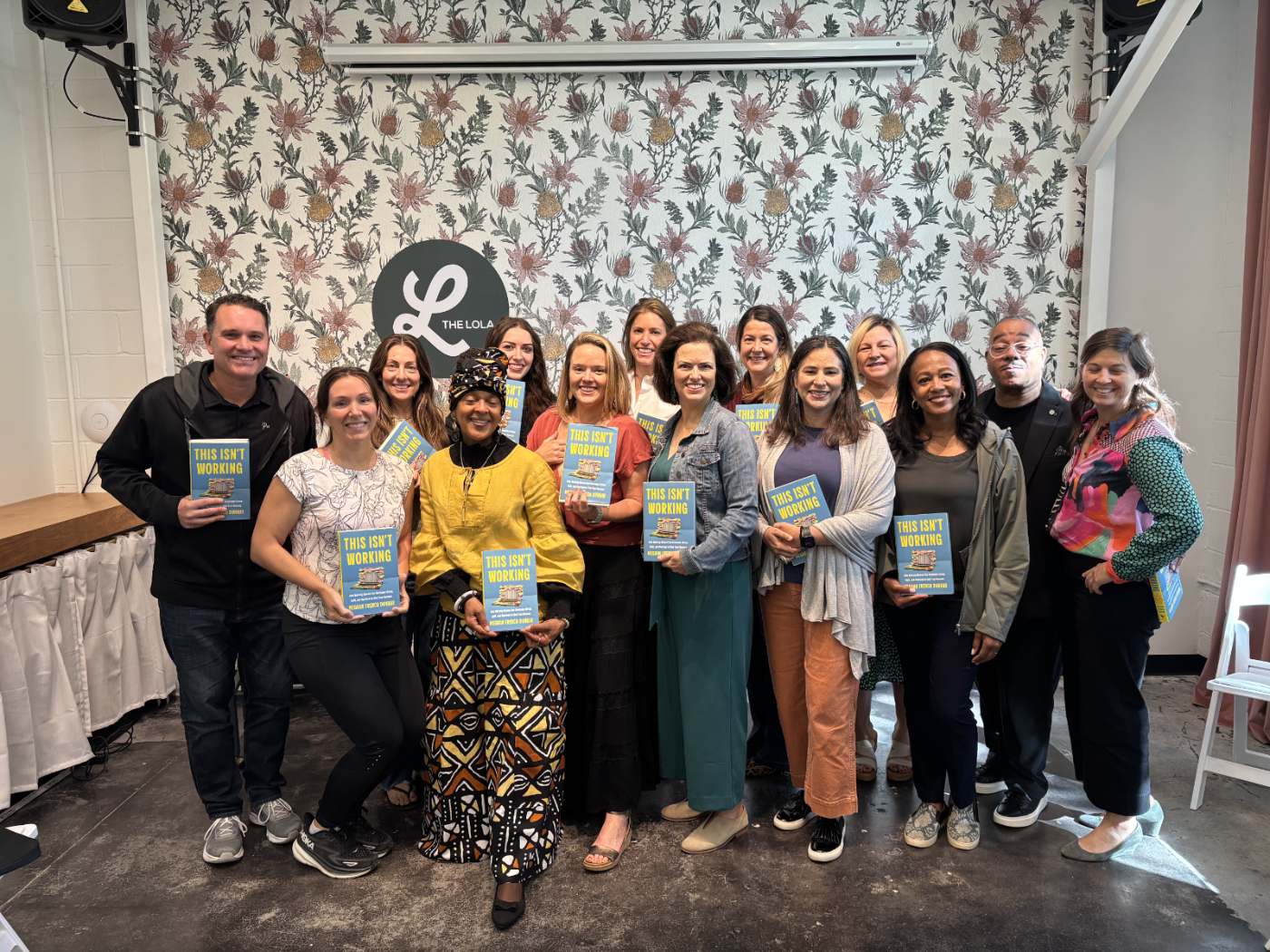
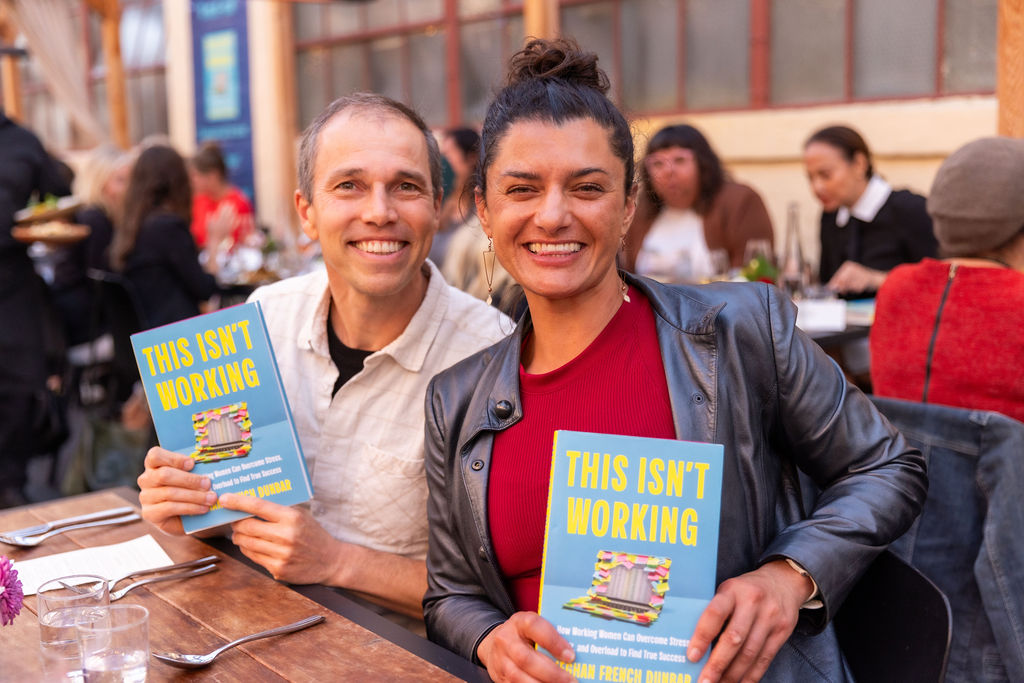
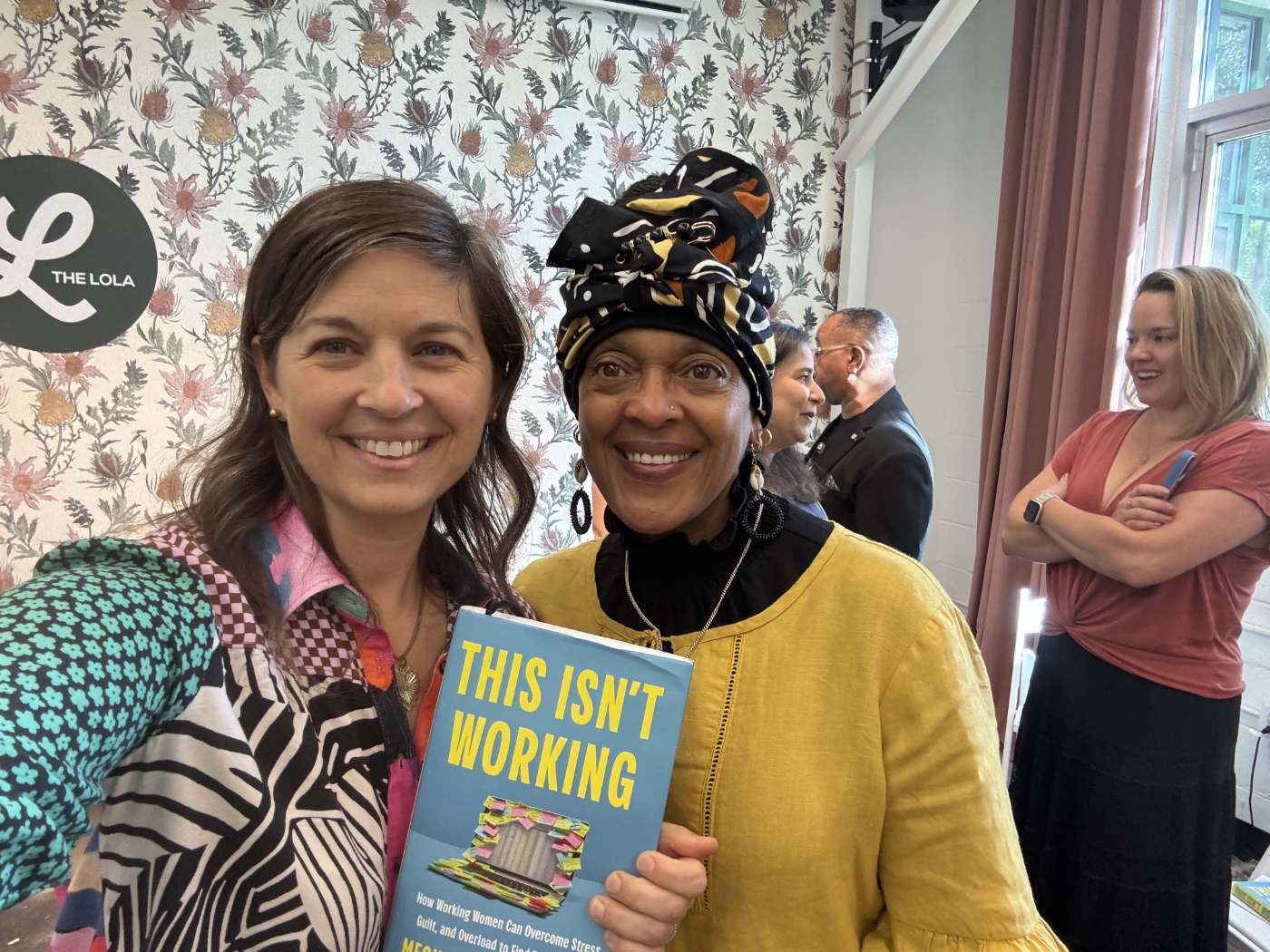
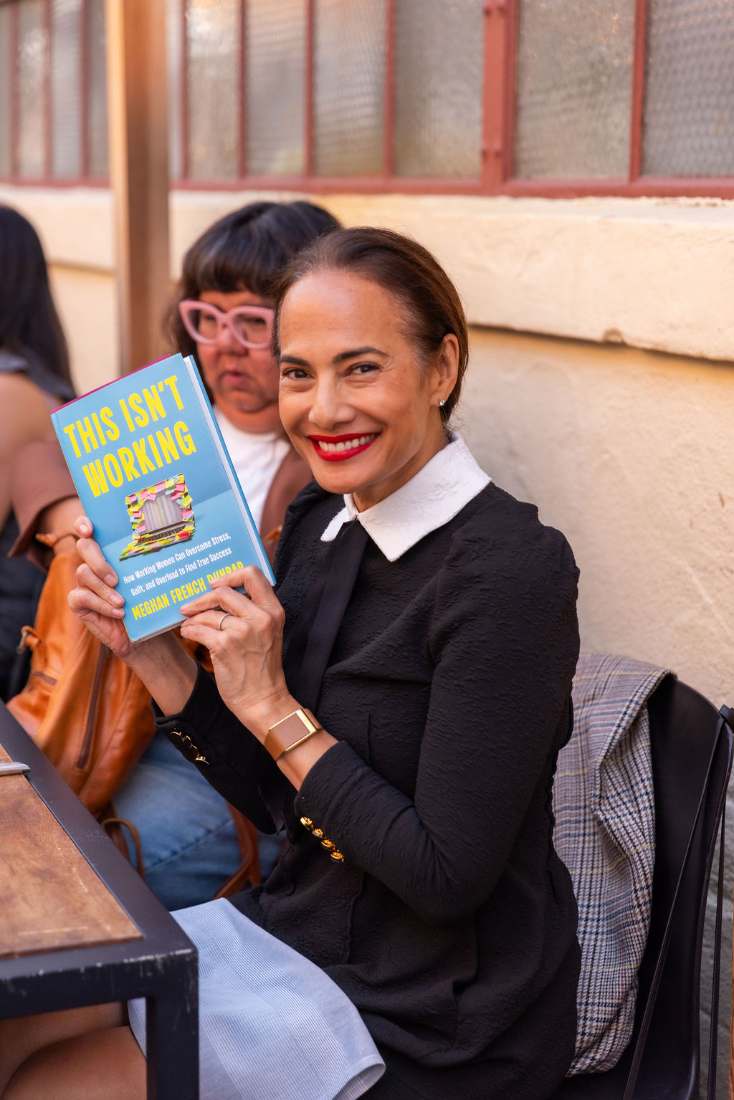
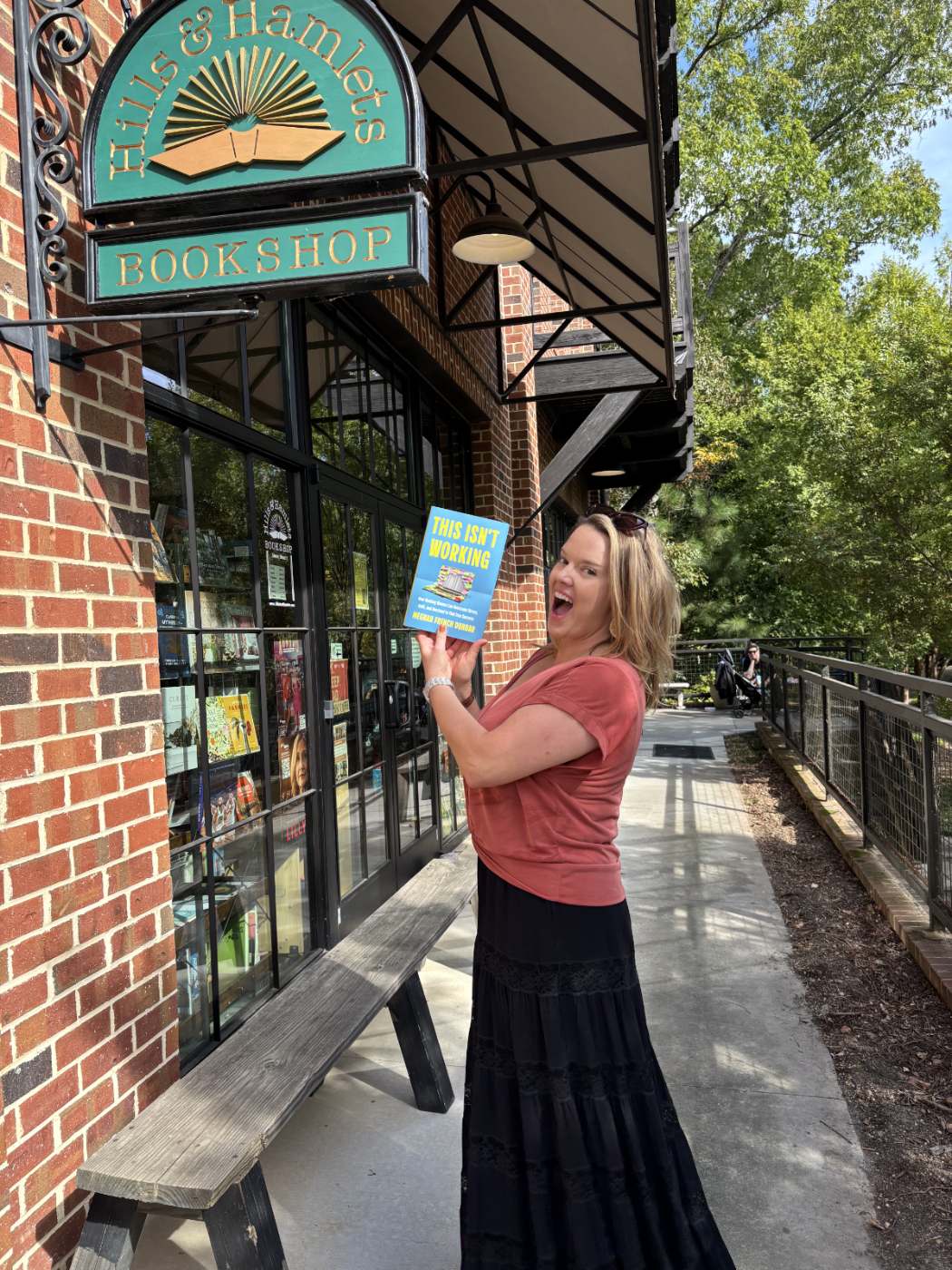
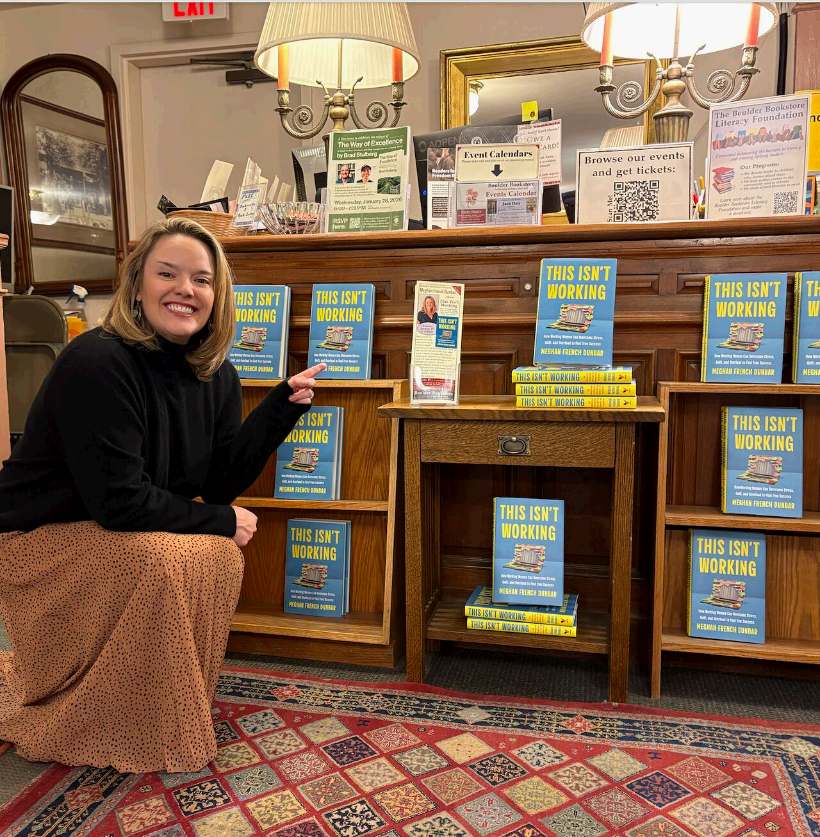
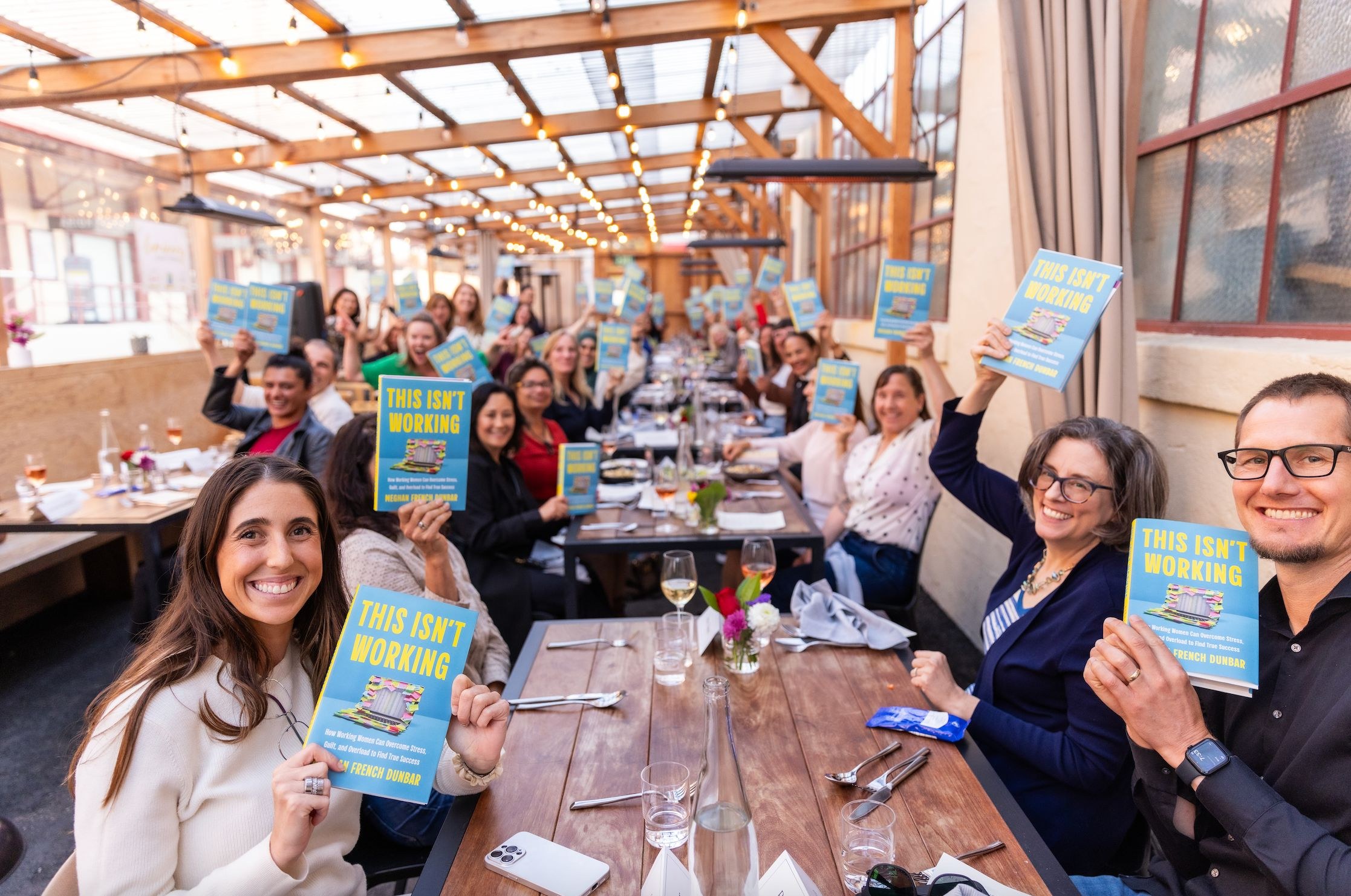
- This Isn't Working by Meghan French Dunbar (Hachette, 2025)
- Milton Friedman's 1970 New York Times essay establishing shareholder supremacy
- SEC's 1970 quarterly earnings reporting requirement
- American Psychological Association research on top workplace stressors
- Research on the five core wounds and their organizational impact
- Universal Declaration of Human Rights (dignity pillar)
- Black Monday syndrome research on Monday heart attacks
CONNECT WITH MEGHAN
- Book: This Isn't Working: https://meghanfrenchdunbar.com/book — available wherever you buy books
- Website: meghanfrenchdunbar.com
- Substack: https://meghanfrenchdunbar.substack.com
FULL TRANSCRIPT
[Editor's note: Lightly cleaned for readability. Preserves original voice + delivery.]
Meghan French Dunbar (00:01): Hello there, and welcome to Better Than This. This is a show for ambitious humans who are tired of the status quo playbook and are looking for something better. My name is Meghan French Dunbar, and I've spent the last decade exploring what it would take to improve work for everyone — to discover whether or not it's possible to succeed in business without being forced to sacrifice ourselves, without the chronic stress, the burnout, guilt, overwhelm, the anxiety.
Good news: it is.
As an author, entrepreneur, journalist, and resident instigator, I've interviewed over a thousand extraordinary business leaders who've achieved success by throwing the old playbook out the window and doing everything differently. What's even better is that this new playbook improves your performance, your workplace, and your life. If you're ready to admit that the way we're working isn't working, and are looking for something better than this — you're in the right place. Let's get started.
Meghan French Dunbar (00:58): Hello, hello, hello, and welcome to Better Than This.
Every week we're going to get real, go deep, and hopefully have some fun as we discuss research-backed ways to actually improve your work, your workplace, and your life. My name is Meghan French Dunbar, and my most profound hope as a result of our time together is that you walk away understanding that there is a better way to work and live — and that you feel inspired to begin making changes in your own life.
Why? Well, put simply: the way we're working isn't working.
I don't know about you, but I am tired of watching wonderful, ambitious, delightful human beings get chewed up and spit out in a system — especially when it can be so much better than this. Hence the whole podcast title.
Your next question might be: "Okay lady, who are you and why should I be listening to you on this topic?" And honestly, I've been asking myself the same thing. I think I actually have a legitimate answer.
For more than a decade, I've been studying what I'd call better business — good business, impact business — businesses that are actually doing good for the world in some way. Thirteen years ago I did my MBA with a focus on sustainable management. I took that and five months of publishing experience and, in the summer of 2014, crowdfunded the launch of a business magazine. My co-founder and I basically asked: why doesn't a business magazine exist for people who want to hear about business leaders that are doing good for the world, creating incredible workplaces, solving societal issues with business?
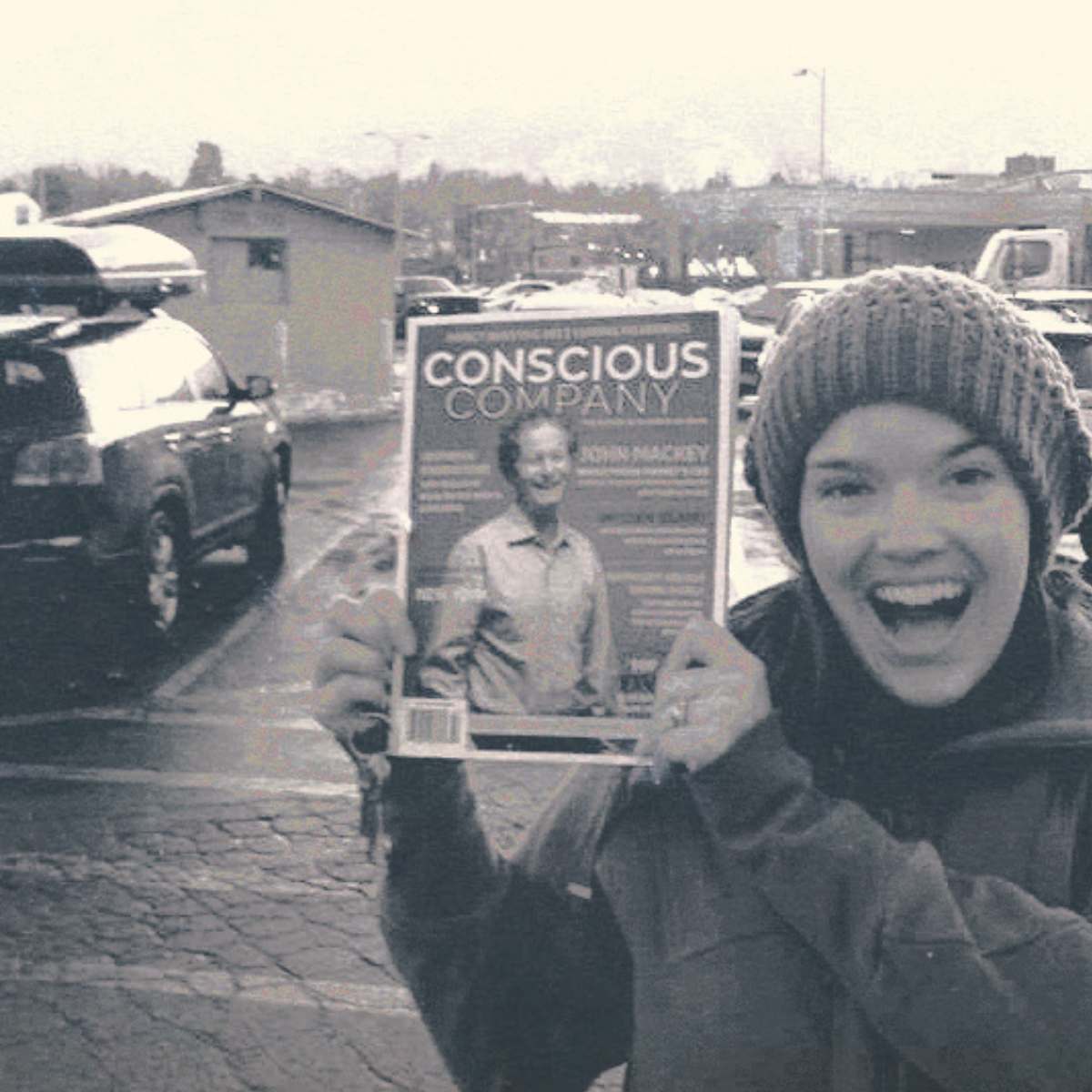
So we launched Conscious Company Magazine. Our first issue came out January 1st, 2015. We were picked up by every Whole Foods in the nation. Suddenly this little project — this dream of mine — went from "let's just see if we can do this" to "oh, holy sweet potatoes, I'm at the helm of a nationally distributed print magazine about sustainable business." And I was 30 years old.
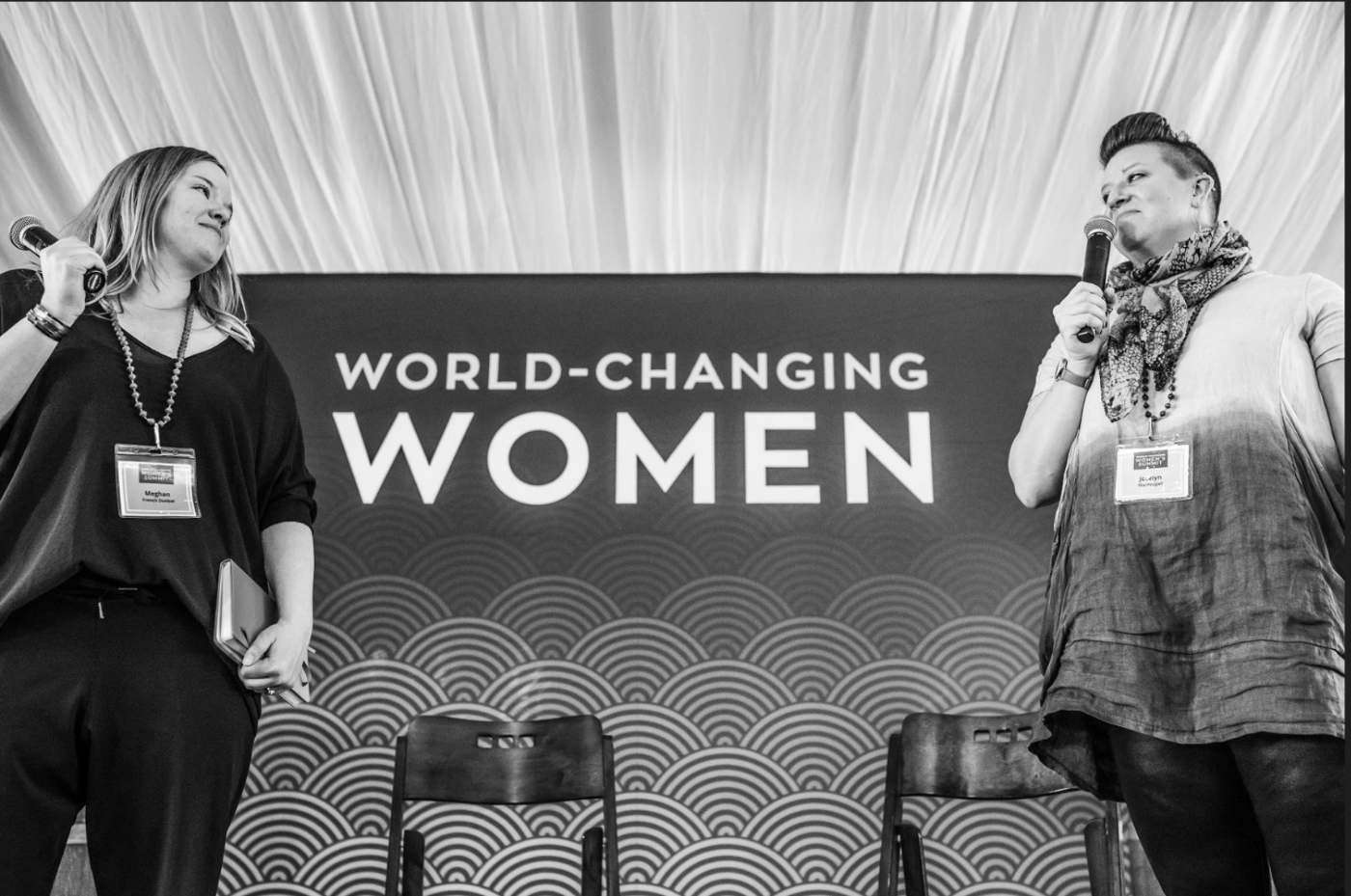
We did the whole entrepreneur's journey. Investment round. Raised over $700,000. Built the print magazine into a media company with an in-person event series — the Conscious Company Leaders Forum — that ultimately brought together over a thousand impact-driven business leaders from around the world. Launched a women's-only component: the World Changing Women Summit and Podcast.
I'm naming all of this because every single one of those entities — the events, the podcasts, the magazine — enabled me to interview extraordinary leaders. Eileen Fisher. Chip Conley of Joie de Vivre Hotels. Susan Griffin-Black of EO Products. Alfa Demmellash of Rising Tide Capital. The people I had idolized in my MBA program. I was getting to sit down with them and learn how they were building extraordinary businesses that weren't ruining the people working within them — and were actually doing good things for society.
We sold that company in 2017. I stayed on as CEO until early 2020. I resigned in February 2020 — unbeknownst to me that a month later, global lockdown. Out of the dark times of COVID, I've been doing CEO retreats and CEO masterminds, leadership workshops with incredible companies like Kate Spade, Coach, Leonard Green, Charter Next Generation.
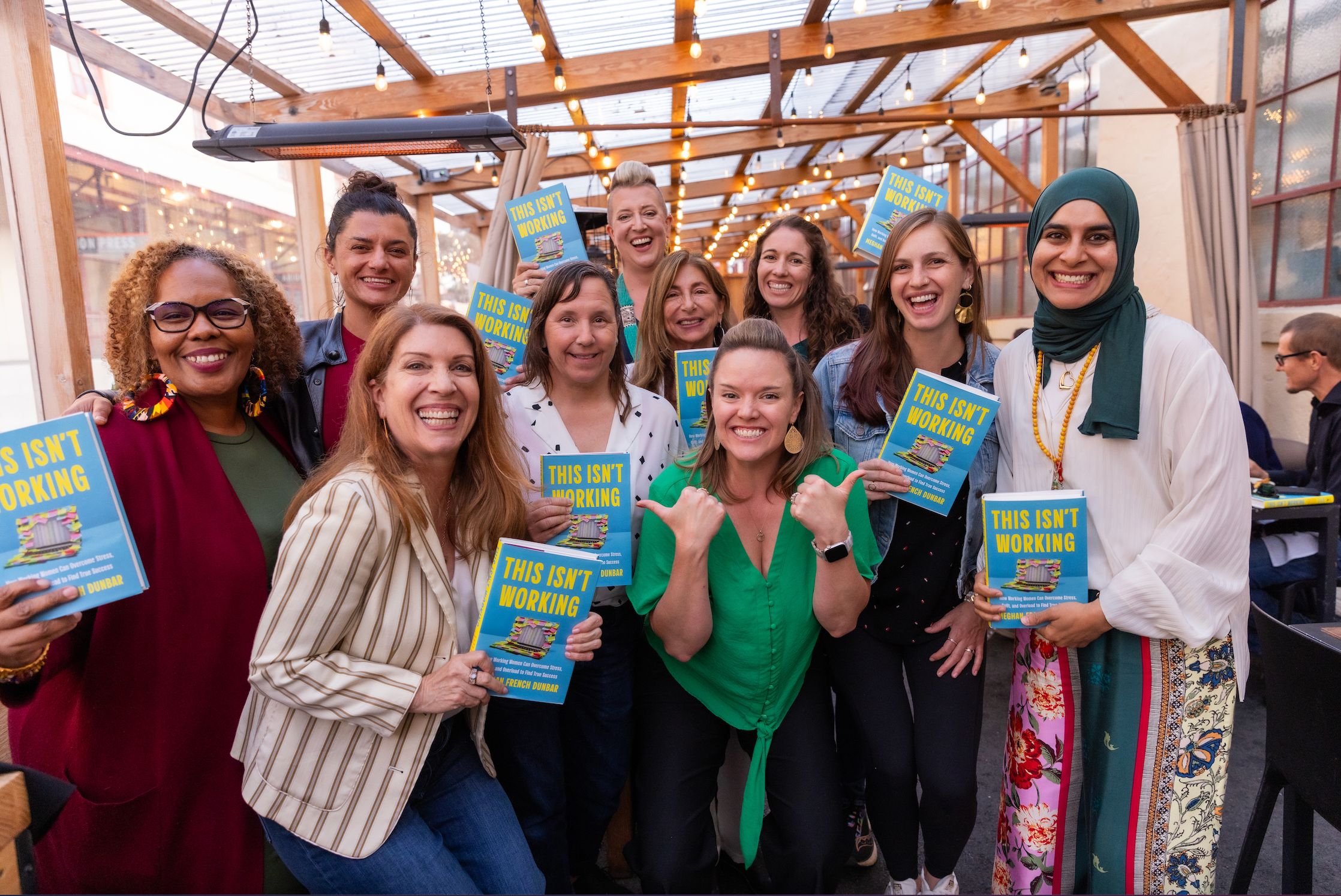
And then over the last two years I wrote a book. This Isn't Working — which comes out August 2025. It afforded me the opportunity to interview nearly a hundred more incredible leaders about the ways work is broken and how we can fix it.
So — here's some credentials. I like to say I'm kind of like the Steve Irwin of good business. I geek out about this stuff. Except instead of "look at this crocodile," it's "let's look at open book management." I don't have the Australian accent, but I love showing people incredible business theories and practices. It's a passion of mine.
I had, of course, the whole existential journey around whether to launch a podcast. "The podcast scene is so crowded. We don't need another one. Why would I do this?" Self-doubt. All the crippling internal monologue.
Fortunately, I had a great conversation with Josh from Brink Media — host of the This Is Propaganda podcast. He said: "Meghan, didn't you just write a book?" I said: "I did. What's your point?" He said: "Well, aren't there a ton of other books in the world?" I said: "Yeah." He said: "So why did you write a book?" I said: "Because I felt like I had this incredible information from all of these incredible leaders that I had to share with people." He said: "Same thing with podcasts. It's just another content medium. Just because there are lots of other podcasts doesn't mean that if you have something valuable to say, you shouldn't say it."
Huh. Smart guy.
And it got me thinking — I'm going to go all the way to Spider-Man here — instead of "with great power comes great responsibility," the thought I had was: with great knowledge comes great responsibility.
That's what I feel like I have the gift of: an extensive knowledge base, because I've been able to learn at the feet of so many inspiring business leaders who are doing business differently, anti-status-quo — who've actually figured out how to build healthy, happy cultures where everyone thrives, including the leaders themselves. So with my great knowledge comes great responsibility. I'm gonna do this.
And here we go. I'm really grateful that you're doing it with me. I promise I'll keep this as real as humanly possible. Sometimes I'll be chatting. Sometimes we'll be live-interviewing other people. Sometimes we'll have roundtable discussions. The common denominator: exploring leadership, workplace, mindset shifts — ways to improve your work AND your life. Turns out they aren't separate. They're integrated. Improve one, you improve both.
Now — this first episode. The foundations. Why does work suck so bad?
You've had this experience: you're talking to a friend, or you see someone you haven't seen in a while, and you ask "how are you doing?" The most common responses are: "I'm hanging in there." "I'm so busy." "I'm so stressed. Overwhelmed." Or the classic go-to: "Fine. Everything's fine. Living the dream."
We're all aware we're all really stressed out and struggling. But we don't want to talk about it. We wear it as a badge of honor. We don't actually think we can fix anything about it. So we just push through and keep going.
This was very much the place I was living.
Going back to 2017: we'd crowdfunded the launch of the magazine, done an investment round, built a team. The day-to-day stress and pressure of running that company was a LOT. In the spring of 2017, I'm reviewing our financials. Barring some miraculous increase in revenue or another investment round on the heels of our last one, we had about six to seven months of runway left. We were potentially going to run out of money by the end of the year.
The stress and pressure of that moment — all of it, the working extra hours, the weekends, no time to myself, worrying about my employees, making payroll — it all hit me at once. I was sitting in the guest room of our old condo in Boulder, Colorado. Looking out the back window. And it hits me all at once. I couldn't catch my breath. Shortness of breath. And then all of a sudden I'm feeling pretty sincere chest pains, and I'm having such a hard time pulling myself together that I end up having to lay down on the hardwood floor. I grab a pillow. I'm screaming into it.
My husband hears what's going on. I hear him running up the stairs with our 85-pound dog Chloe on his heels. He bursts into the guest room. Finds me crumpled on the floor.
I will never forget the terrified look in my husband's eyes as he's looking at me having a complete panic attack — having the stress of my career impact my health in such a way that I genuinely didn't know if I was having a heart attack or not. And I was 33 at the time.
He helped me get through it. That evening he said: "I can't watch you do this to yourself anymore." I said: "I know, I know. Something has to change. I promise I'm going to make it better."
And I woke up the next day and just went right back to work.
Because I had to, right? I'm the infallible leader. I can't show weakness. I have to just keep pushing through.
I go back to work because it just feels normal. Behind the scenes, everyone I've talked to is stressed. Everyone's overwhelmed. I've heard of other people who've had panic attacks. This is somewhat normal, right? This is the cost of doing business. The cost of success.
I'd heard something similar from my friend Stephanie Nadi Olson — founder and former CEO of We Are Rosie.
So — when we let our stress and our overwhelm and our anxiety play out to the end, these are the things that can happen. Panic attacks. Being hospitalized. Physical health issues. Mental health issues. We often wait until it gets so bad that there's some sort of event — and then we maybe go to therapy once or twice, and get right back in the saddle.
We sold our company in 2017. I was like: "Everything's going to be fine now." Turns out if you stay on as CEO, there's still crippling stress and pressure. I stayed on. Had a child in 2019. When I came back from maternity leave in the fall of 2019, I had no gas left in my tank. Done. I'd lost my passion for what I was doing. Barely able to get out of bed every day. Completely burnt out.
I had this moment of realizing I was not the leader I wanted to be for my team. I was definitely not the mother I wanted to be for my first child. Or the partner I wanted to be for my husband. Or the friend I wanted to be for my friends. I was not in any way healthy.
So I decided to resign. And of course we all entered the dark times of 2020.
In the deep dark recesses of my brain in 2020 and 2021, as we all contended with various traumas, I started wondering: does it have to be this way? Is it just a foregone conclusion that we have to suffer and sacrifice ourselves to be successful, to have high-achieving careers, to be in the business world at all? Is this just the price of success? Or is there a better way?
My friend Courtney Klein talks about the concept of an "insistent idea" — like a raspberry seed stuck in your tooth that you can't get out. This was that for me. I couldn't stop wondering about it. So I played with it. Turned it into a book proposal. Got a book deal. Got to go write a book about it.
Is there a better way to do business? Can it be BETTER than THIS?
Throughout my career of interviewing incredible business leaders, I'd met people who weren't struggling. They had traditional markers of success — and they seemed happy. And I was like: "Wait, you're not overly stressed? I'm going into your business and everyone here seems happy? What is this? This must be an anomaly."
But there were enough proof points that I was like: no. I don't think this is a one-off. Susan Griffin-Black at EO Products. Alfa Demmellash of Rising Tide Capital. Jane Wurwand of Dermalogica. Eileen Fisher. I kept coming across these leaders. There were enough of them to convince me they knew something the rest of us didn't.
These are the people I interviewed for the book. And it turns out — there is, in fact, a better way. I call it the new playbook, as compared to our contemporary toxic, harmful playbook that most of us are playing by in the business world.
And when we're talking about how many people are IN the business world: 3.5 billion humans in the global workforce. For the most part, using an old, outdated, toxic playbook that doesn't work for most of the people in the system.
Meghan French Dunbar (19:26): Alright — so why isn't work working? Let's get into it.
To start, we're going to look at some of the key reasons we feel stress, burnout, and contend with mental health issues.
Per the American Psychological Association, three of the top stressors we continually feel are: economic insecurity, concerns about money and job loss, and work pressure — feeling overwhelmed or overworked at work.
Some of the key predictors of mental health issues are: social isolation, feeling discriminated against, loneliness, long-term or chronic stress, social or cultural expectations, and self-sacrificing behavior.
When it comes to burnout, the six key predictors are: feeling overworked, compromising your values, isolation or lack of community, feeling like things are unfair, not being rewarded or acknowledged properly, and feeling a lack of control or autonomy.
Now — business. The idea of exchanging goods or services for financial gain has existed for about 5,000 years, going back to Mesopotamia. About 3,000 years ago, we have the first organizations that can enter into contracts or independently own property in India.
For the last few thousand years, business has evolved as a way we structure social interactions as humans. And the key thing to know here is that it IS a social construction. As cute little humans, we made it up. And we're still making it up. We make up the rules, the norms, the practices, the expectations — and also the idea of what "success in business" means.
Currently, these norms impact pretty much all life on Earth. Business as an entity has immense power to do good — lift people out of poverty, create innovation, give people purpose. And immense ability to harm and destroy.
Unfortunately, at this point in history, we're trending more toward the destroying-things thing. Why?
In September 1970, Milton Friedman wrote his now-famous New York Times piece proposing that "there is one and only one social responsibility of business: to use its resources and engage in activities designed to increase its profit, so long as it stays within the rules of the game."
Also in 1970, the SEC required that publicly traded companies produce quarterly earnings reports. All of a sudden: not only is it profit at all costs, but it's profit at all costs under a very short timeline. Every three months you have to produce earnings reports.
This short-termism, profit-at-all-costs, becomes the predominant way we look at why businesses exist. We're telling leaders: your sole responsibility is to maximize profit. You can do whatever you want as long as it's legal-ish. Your job security depends on maximizing profit, performing better than your competitors, doing it as quickly as humanly possible — and if you're publicly traded, your performance will be analyzed every three months.
We're essentially incentivizing business leaders to be as ruthless and creative as humanly possible in taking advantage of other people and resources so that they can succeed.
This encourages many business leaders to do things like reduce worker pay below poverty levels, cut corners on safety, work employees to the bone, extract natural resources without worrying about downstream impact, and even suppress research showing their products are killing people. Purdue. Monsanto.
Macro issues: income inequality has widened dramatically. Since the introduction of shareholder supremacy, the middle class has decreased from more than 60% to less than 50% in the United States. The top 1% of American earners now have more wealth than the entire middle class combined. One out of seven people worldwide don't have enough money to meet their basic needs.
One statistic that blew my mind when I was researching for the book: while 1% of the general population is considered a psychopath — meaning lacking conscience, empathy, or remorse — 20% of CEOs are.
This kind of makes sense when you think about it. Leaders are forced into a situation where they have to treat people like resources and make decisions that negatively impact tons of other people, animals, and life on Earth. So it follows that some of them just have to be psychopaths to succeed.
On the other end of the spectrum: C-suite leaders and CEOs are dealing with depression at twice the rate of the general population. So either you have to be a psychopath to succeed in this paradigm, or you compromise your values and end up more depressed than other living people.
Not good.
Now — how this impacts us, the day-to-day workers. Big caveat: yes, we're generalizing about a system that impacts 3.5 billion people. Not all of this will apply to every single person. If none of it resonates: congratulations, you're working in a very anti-establishment organization. Good news.
But most contemporary organizations follow one of five patterns that drive the specific mental health issues we're all feeling.
Pattern one: Win-at-all-cost, high-pressure, growth-oriented cultures. Tremendous stress, pressure, and demand on individual workers. Do more with less. Do whatever it takes to win. Work after hours. Work weekends. Overwork becomes normal. And we've got two of the top burnout drivers baked in: overwork and lack of control.
Pattern two: Cost-cutting scenarios. Wage stagnation. Paying people the bare minimum, expecting the most. Cutting safety measures. Cutting corners. 3 million workers die annually as a result of work-related injuries or disease. An estimated 400 million people every year are hurt on the job. Underpayment is a key stress source. Fear of job loss, another. Fear for physical safety, another.
Pattern three: Rigid hierarchy and fear-based command-and-control organizational structure. Post-WWII militaristic model. One leader at the top, generals around him, making all decisions for everyone. Everyone at lower levels is supposed to obey without question. If you're not in a leadership position, you very rarely feel any voice or choice or agency. That's a direct hit to autonomy — a top burnout driver. It's also a direct hit to dignity, which the Universal Declaration of Human Rights identifies as a core pillar of human wellbeing. And then there's the fear-based, cutthroat, toxic manager dynamic — where fear, intimidation, and dominance are used to get results. That produces chronic psychological stress, one of the top drivers of mental illness.
Pattern four: Individualistic, hyper-competitive workplace cultures. Everyone out for themselves. Your success is based on individual performance. You're pitted against your peers for promotions and raises. Everything externally is about crushing and dominating industry competitors. No collaboration. This drives overwork, isolation, and self-sacrifice — three of the top drivers of mental and physical health issues.
Pattern five: Winner-takes-all mentality. Shareholder supremacy: the reason a business exists is to maximize profit for shareholders — company owners, investors, key executives. All the winnings go to one group. Instead of the people working there day in and day out. And while this has become commonplace, it's inherently unfair. Not being acknowledged for your work is a key burnout driver. Feeling that things are unfair is another.
So — five patterns we're contending with on a daily basis. Overly demanding high-stress cultures. Cost-cutting where people are underpaid and safety is compromised. Rigid fear-based hierarchical command-and-control cultures. Hyper-competitive individualistic cultures. And a winner-takes-all paradigm.
All of these tie directly to the reasons humans burn out, feel stressed, and develop mental and physical health issues.
Maybe there's a part of you that can start seeing: maybe it's not me. Maybe it's business. Maybe I'm not the problem. Perhaps it's the organization I work for that is making all of us feel this way — because it is literally built in a way that drives some of the key reasons humans struggle.
At this point: more than 75% of workers report having experienced burnout at their current workplace. Three out of five workers report experiencing some sort of negative mental or physical health issue as a result of work-related stress. More than 85% of workers experienced moderate, high, or extreme work-related stress in the last year. And a full 60% of employees say their work has a higher impact on their mental health than anything else in their life.
Take a minute to let that sit.
Yes, it's normalized. Yes, everyone we know is stressed and overworked and burnt out.
And there are serious consequences. Very serious.
When you feel stress, your blood pressure rises. Your immune and digestive systems slow down. Your ability to grow and repair tissue decreases. Inflammation increases. And the list of diseases associated with chronic inflammation is huge: cardiovascular dysfunction, diabetes, cancer, autoimmune disorders, depression, anxiety.
Black Monday syndrome refers to the fact that more people have heart attacks on Monday — the first day of the working week — than any other day of the week.
This is the system we're all trying to succeed within. This is the status quo we're forcing ourselves to succeed inside — and then trying to dust ourselves off and pick ourselves up when we leave work and have a normal, healthy, happy life.
All of this to say: you're not alone. If you're feeling like — wow, is there something better? Am I the only one who's feeling like this? Is this supposed to feel like this? At what point does it start to feel good? You are not alone. The way we're doing business, the way we're working, isn't working.
Fortunately, I didn't set out to launch a podcast all about the ways business is broken and you're screwed. There are tons of solutions. This is what I've been studying for a decade. It's what I wrote the book about. There's the old playbook — which is what we detailed today — versus the new playbook.
There are tons of business leaders out there who have built organizations around new-playbook principles: collaboration, shared success, sustained performance. All sorts of practices and belief systems proven to improve individual performance, business performance, workplaces, and lives. Like — no big deal. If we can solve this, we can casually improve 3.5 billion people's lives and save the world and save humanity — all through this one single podcast. You're welcome.
That's what we're going to talk about. For episode two, I promise I won't be talking at you quite as much. I really needed to set the foundations and context. We'll dig into the key practices you can bring into your work and life to make work better for all — including yourself.
I'm excited. I'm so grateful you're here with me on this journey. Hopefully I'll see you in episode two.
Thank you.
Meghan French Dunbar (42:51): Thanks again for listening to Better Than This. As a reminder, you can always find show notes and any corresponding resources for the show on the show's website at meghanfrenchdunbar.com/betterthanthis. If today's episode resonated with you, I would be very grateful if you could leave a review or a rating on whichever podcast platform you're listening on — or share the episode with a friend who you think would appreciate it.
You can also subscribe to my Substack for weekly insights and tools to support your growth along the way.
Until next time: keep challenging the status quo so we can — wait for it — build something better than this.
Take care.